Monthly Camellia Care Calendar: What to Do Every Month of the Year
Here’s something no plastic nursery tag will ever spell out: camellias don’t run on a single, generic “water and feed occasionally” schedule — they move through a distinct twelve-month rhythm, and missing the window for any one stage can cost you next season’s flowers. Two decades of tending these shrubs has taught me that the secret isn’t some mysterious green thumb — it’s simply knowing which task belongs to which month. Below is the calendar I actually follow, broken down season by season.
January – Watch the Winter Flowers and Guard Against Frost
For many varieties grown in mild climates, January delivers the heaviest flush of blooms all year. I often find myself captivated by the soft pinks of ‘Winter’s Rose’ or the stunning white of ‘Kramer’s Supreme’ during this time. Mostly, I let myself enjoy the show and simply take note of which shrubs are performing. The genuine chore this month is shielding plants from freeze damage. Ahead of any hard cold snap, I give the root zone a thorough soak — damp soil holds warmth far better than parched ground. Container-grown camellias get relocated tight against south-facing walls or tucked beneath roof overhangs. And I resist cutting away anything that looks frost-bitten right away; branches that appear ruined sometimes recover, so I hold off judgment until later in winter.
February – Wrap Up Pruning and Treat with Dormant Oil
Pruning happens on my calendar in February, full stop. Since flower buds form on the previous season’s wood, the cutting window falls after blooming wraps up but before fresh shoots appear. I focus on removing branches that cross one another, opening up the plant’s center for better airflow, and tidying its overall shape. I always remember the first time I pruned my ‘Nuccio’s Pearl’ too late in the season – I lost out on its beautiful blooms that year! This is also the month I reach for dormant oil if scale insects have been a nuisance. Choose a still, mild day where nighttime temperatures won’t dip below freezing, and steer clear of spraying any blossoms that are still open.
March – Kick Off Feeding as New Growth Emerges
March usually brings the season’s first flush of new growth, which is my cue to put down the year’s initial round of balanced fertilizer — either a slow-release granular or a diluted liquid version. I love using a 10-10-10 formulation for my ‘Camellia japonica’ varieties, as they aren’t gluttons when it comes to nutrients, but they do respond well to feeding while actively growing. I also take a look at drainage around older, established plants; the weather’s still cool enough that working in extra mulch or peat moss won’t shock the roots if things look soggy.
April – Stay Alert for Pests While Keeping Soil Moist
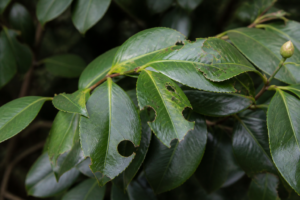
Spring conditions rarely behave predictably. New foliage in April tends to be soft and tender, making it an easy target for both insects and unexpected dry stretches. I make it a habit to inspect for spider mites and scale, since both can multiply fast once temperatures climb. Watering stays a priority too — camellias want steady moisture, never drenched but never bone-dry either. A good mulch layer makes this so much easier; I keep two to three inches of pine straw or shredded bark spread around the root zone, pulled back a few inches from the trunk itself. I recall one year when I neglected my mulch and ended up battling a scale infestation on my ‘Shishi Gashira’ – it took weeks to get it under control!
May – Guarantee Shade Coverage and Ramp Up Pest Checks
Rising May temperatures can put real strain on camellias, particularly in warmer growing zones. I make certain my plants get afternoon shade and stay alert for heat symptoms such as drooping or yellowed foliage. This is also the point where pest patrol gets more serious — Japanese beetles and spider mites thrive in May’s warmth. Checking the undersides of leaves weekly has become routine for me. Should I catch an infestation early, insecticidal soap is my go-to over harsher chemical sprays that also wipe out beneficial insects. I remember a particularly hot May when my ‘Professor Sargent’ started to look distressed, and I had to quickly adjust its shade situation to save it.
June – Snip Spent Blooms and Cut Back on Fertilizer
Once the spring growth spurt calms down, I go through and clip off faded flowers along with any seedpods that have set, sending the plant’s energy back into itself rather than seed production. Fertilizing tapers off around mid-month for me. Summer isn’t a growth phase for most camellias, so heavy feeding just isn’t necessary. I do, however, keep watering on a consistent schedule and stay watchful for signs of heat stress. I once forgot to deadhead my ‘Lady Campbell’ and found it exhausted, so I make it a priority now!
July – Soak Deeply and Offer Relief from the Heat
July usually brings the peak of summer heat, and it’s often when camellias reveal any weak spots in their care. My approach is deep, infrequent watering rather than shallow daily sprinkling, which pushes roots to grow downward instead of staying shallow. I’ll thicken the mulch layer a bit more if conditions call for it. During brutal heat waves in especially warm climates, I’ve had good luck lightly misting foliage early in the morning — though I don’t make this a habit, since overdoing it invites fungal trouble. I learned this the hard way with one of my ‘Debutante’ plants, which suffered from powdery mildew after a misting spree!
August – Start Getting Ready for Fall Dormancy
By late summer, next year’s flower buds are quietly taking shape beneath the surface, even though there’s nothing visible yet. I hold off on fertilizer entirely during this window since nitrogen now would push leafy growth at the cost of bud formation. Watering and shade upkeep continue as usual. It’s also a smart month to start mapping out any propagation work or fall planting you have in mind. I often find myself sketching out a plan for new cultivars to add, like the stunning ‘Pink Perfection’.
September – Ease Off on Watering
Once temperatures start dropping, I gradually pull back on extra watering unless the ground is genuinely bone-dry, since rainfall tends to become more dependable again this time of year. I stay on the lookout for pest activity as fall approaches and double-check that mulch coverage hasn’t thinned out. I also make sure to keep record of which varieties are thriving; my ‘Catherine’ usually impresses during this time.
October – A Light Feed and Bloom Preparation
A modest application of fertilizer low in nitrogen but higher in phosphorus helps push along flower bud formation this month. I also start deciding which camellias deserve a more prominent spot in the garden so I can properly enjoy their fall and winter flowers. In most zones, October marks the final reasonable window for planting before winter sets in. My ‘Snow Flurry’ is always a contender for the front of the garden, showcasing its beauty just as the leaves change.
November – Keep an Eye Out for Early Flowers
The earliest-blooming camellia varieties start putting on their show this month. I make sure plants aren’t running dry on water and clear away fallen leaves that could trap moisture against developing buds. A quick tidy-up around the base now heads off disease problems as winter approaches. I find myself eagerly anticipating the first blooms of ‘Yuletide’ each year, which always brings such joy as the weather turns cold.
December – Take a Moment to Enjoy the Payoff
December is really about stepping back and appreciating the year’s effort. Give plants a good soak before any deep freezes arrive, confirm mulch is holding up, and simply take in those winter blossoms. It’s also worth jotting down which varieties thrived and which ones might do better in a different spot come next year. The satisfaction of seeing my ‘April Rose’ bloom while the world outside is chilly is a wonderful reminder of the magic camellias bring to our gardens.
About This Article

Written by Helen Pritchard. Helen Pritchard is a lifelong gardener in the Pacific Northwest who has grown more than 200 named camellia cultivars over two decades. She writes practical, experience-based guides to camellia care, from variety selection and pruning to troubleshooting yellowing leaves and bud drop. More about this site.
Verify this against a primary source
Specifics change, and your situation may differ from the one described here. These are the authorities worth checking directly:
- American Camellia Society — cultivar registration and culture guides
- USDA Plant Hardiness Zone Map — zone verification for your location
- Royal Horticultural Society — camellia cultivation and pest guidance