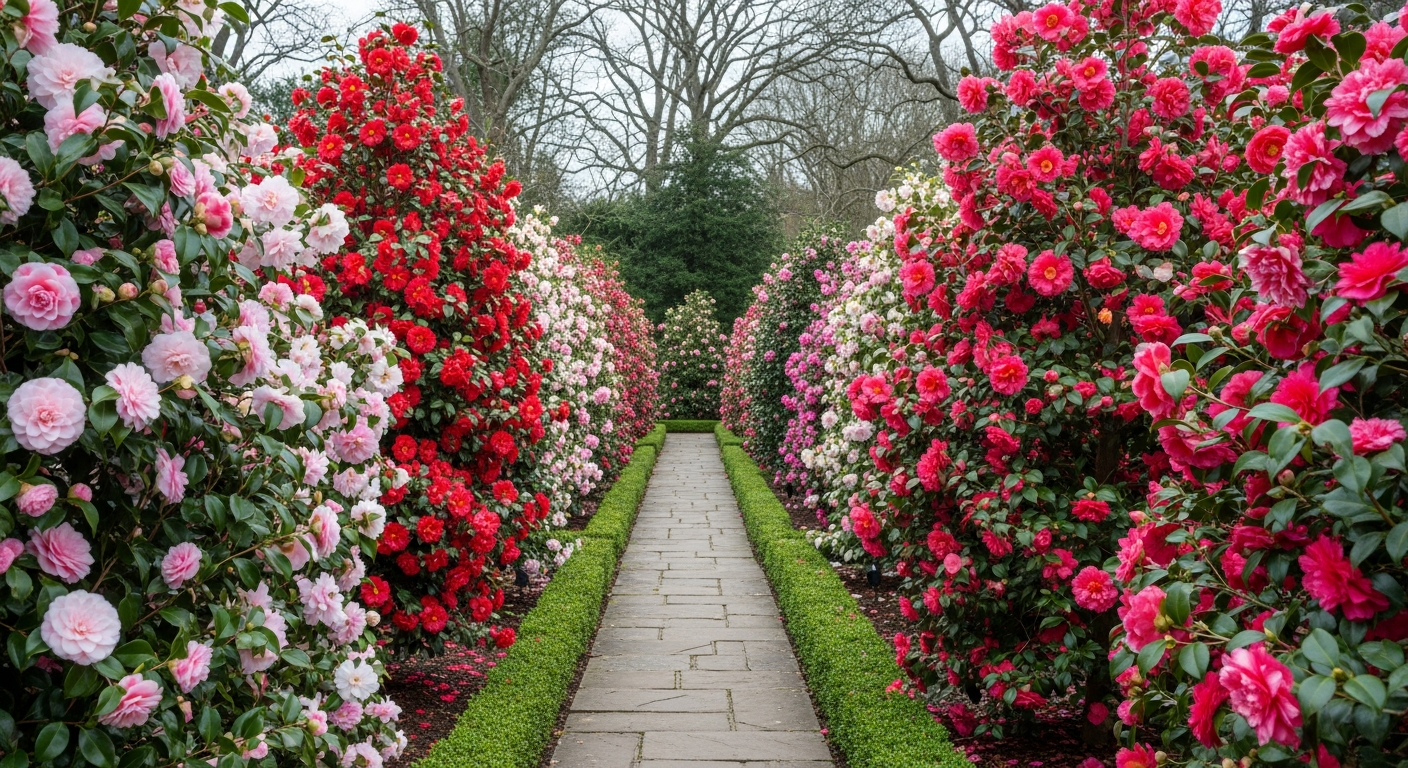

Extend Your Camellia Season: Varieties for Continuous Blooms
Hi there! I’m Helen Pritchard, and as a lifelong gardener in the Pacific Northwest, I’ve spent over two decades cultivating camellias. With more than 200 named cultivars under my belt — from sasanquas to japonicas and hybrids — I’ve learned a thing or two about how to keep our gardens vibrant year-round. Every time I gaze at my mid-season camellias, their dark, glossy leaves and swollen buds promise a spectacular show, only to burst into bloom for just ten days in January. Once that peak passes, I’m left staring at a sea of green for months. That gap, so stark against an otherwise healthy garden, is what spurred me to rethink my variety selection.
These gorgeous plants earn their devoted following through their lustrous foliage and breathtaking flowers, but the real trick to maximizing your camellia experience is thoughtful variety selection. Get this right, and you’ll have color gracing your garden from the first cool snap of autumn right through to the last frosts of spring — and that’s exactly what I’m here to help you achieve.
How Camellia Bloom Timing Actually Works
Stretching your bloom window is all about intentional planning, not luck. I’ve learned that camellias are typically sorted into three timing groups: early-season types that flower from fall to early winter, mid-season types that peak in winter, and late-season types that carry on from late winter into spring. To create a continuous display, I always include at least one representative from each group in my planting scheme.
Through my experience, I’ve discovered that local frost dates and microclimates are more important than any generic bloom-time label. For example, a cultivar labeled “early-season” might behave differently in zone 7 than in zone 8. I make it a point to connect with local nurseries and gardening circles to find out what genuinely flourishes in my specific area. It’s this kind of knowledge that lets me tailor my garden for stunning year-round blooms.
Fall Bloomers: What Flowers from September into November
Fall-blooming camellias are my delightful entry point to an extended flowering calendar. They burst forth just as most other ornamentals are winding down for the year. One of my all-time favorites is ‘Setsugekka,’ a dependable choice that unfurls its large, white, semi-double flowers starting in October. Another early performer is ‘Autumn Glory,’ showcasing coral-pink blooms that appear even sooner. These fall bloomers are worth their weight in gold because they provide a head start on the winter show.
What I’ve found particularly beneficial about these early bloomers is that they often dodge the late-frost damage that can wreak havoc on later varieties. I’ve learned the hard way that these types form their buds back in summer, so keeping consistent watering starting in July is crucial — it directly influences how well they flower in the fall. I’ve had years where I neglected this, and my blooms were sparse as a result — a lesson I don’t soon forget!
Winter Standouts: December and January Bloomers
This stretch is what most people envision when they think of “camellia season,” and it’s no wonder — it’s when we see the broadest lineup and heaviest flowering. My go-to for vivid color during the holidays is ‘Yuletide,’ with its rich red blooms that are tailor-made for festive displays. Then there’s ‘Pink Perfection,’ which produces soft pink double flowers so reliable and cuttable that I can’t resist bringing a few stems indoors to enjoy.
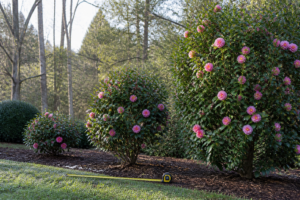
As a group, these winter bloomers are some of the toughest against cold and the heaviest producers of flowers. Their timing reflects what they would naturally do in their native Asian habitats, which is part of why they perform so consistently year after year. In my own garden, I stagger several mid-season cultivars to widen the display; some hit their peak in early December, while others don’t fully open until late January. This strategy has transformed my winter garden into a canvas of color.
Spring Finishers: Blooms from February to April
If you’re looking to extend your season into spring, late-flowering types are the way to go. ‘Flower Girl’ is a wonderful option, offering soft pink, semi-double blooms in late winter, while ‘April Remembered’ truly earns its name by opening in abundance just as spring settles in. Their real value lies in bridging the gap between the last camellia flowers and the earliest spring bulbs.
However, these later cultivars face tougher weather odds — frost can devastate open blooms, and a sudden warm spell followed by a cold snap can stress the developing buds. I’ve found that planting late bloomers on a north-facing slope is a practical workaround; they avoid early-morning sun that could push buds to open too soon while escaping the harsh afternoon heat.
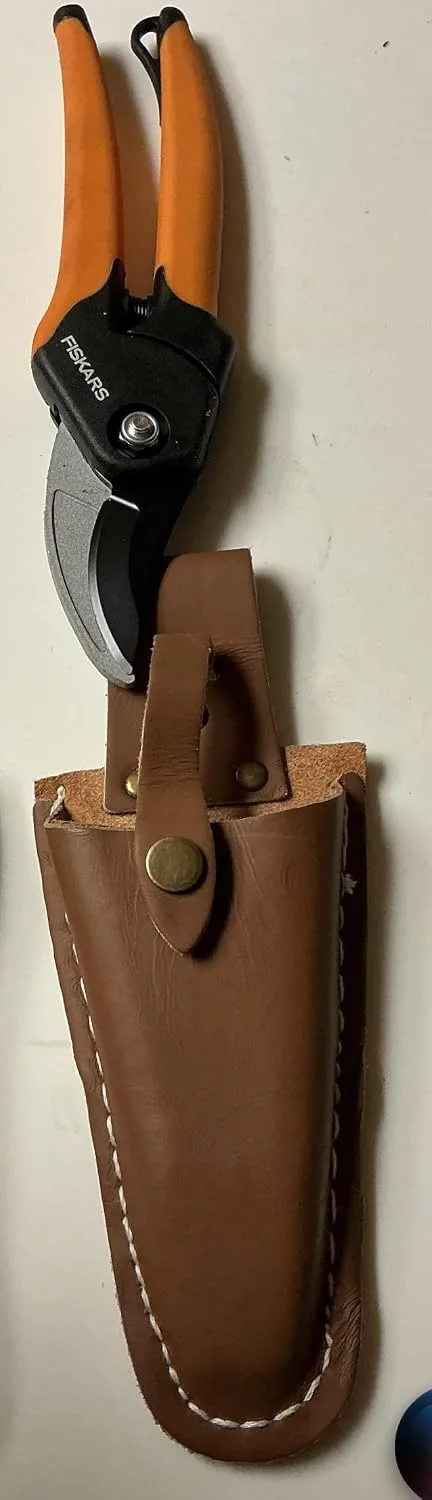
Bypass Shears That Finally Stopped Me From Crushing New Camellia Growth
To maintain a stunning display from early fall to late spring, I’ve learned that I need to keep up with regular light pruning and deadheading to maintain shape and promote new growth. In my early days, I used cheap shears, which often bruised the stems instead of cutting them, leaving me with blackened tips and inviting disease into my garden. This was a hard lesson learned through experience.
The upside
- With bypass blades that slice straight through camellia wood, my cuts heal faster, and I no longer see the blackened stem tips my previous shears left behind.
- Trimming spent blooms and stray branches is much easier, without the hand-cramping squeeze I used to endure. Since I’m out there every few weeks throughout the season, comfortable ergonomics have become far more important than I originally thought.
- One blade edge carries me through an entire season without going dull, so I don’t have to constantly adjust my cutting angle to work around a worn edge.
The downside
- They cost more upfront than the cheap shears I once bought without thinking. Eventually, the edge does wear down — I expect to sharpen or swap the blade every couple of years with regular use.
- The grip is a bit narrow, which can make larger hands feel cramped during longer pruning sessions.
I almost ditched these shears after the first month when the novelty wore off, but once I saw how much cleaner my cuts healed compared to my old shears, I knew the investment was worth every penny. Grab a pair of quality bypass pruning shears, and you’ll understand what I mean.
Keeping the Blooms Coming: Season-Long Care Basics
Achieving a long camellia season means staying on top of care all year, not just during the flowering period. Consistent watering is essential, as dry spells can stress buds and reduce flower output. A 2-3 inch mulch layer helps regulate soil temperature and retains moisture — especially important when juggling buds developing across overlapping seasons.
As early spring rolls around, I feed my camellias with an acid-forming fertilizer, and I also consider a modest phosphorus-rich feeding in late summer to assist fall bloomers in setting their buds. However, I hold off on any fertilizing past August, as it can provoke tender new growth just as frost risks increase.
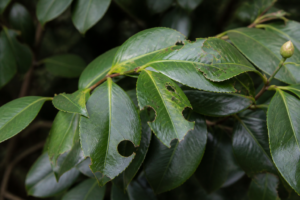
Lastly, I keep a vigilant eye out for pests and diseases throughout the year. With flowers present for so much of the year, issues tend to surface on my radar sooner, giving me a head start before they spread. Scale insects and leaf gall, in particular, thrive during our milder winters, so I never let my guard down as the season progresses.
About This Article

Written by Helen Pritchard. Helen Pritchard is a lifelong gardener in the Pacific Northwest who has grown more than 200 named camellia cultivars over two decades. She writes practical, experience-based guides to camellia care, from variety selection and pruning to troubleshooting yellowing leaves and bud drop. More about this site.
Verify this against a primary source
Specifics change, and your situation may differ from the one described here. These are the authorities worth checking directly:
- American Camellia Society — cultivar registration and culture guides
- USDA Plant Hardiness Zone Map — zone verification for your location
- Royal Horticultural Society — camellia cultivation and pest guidance