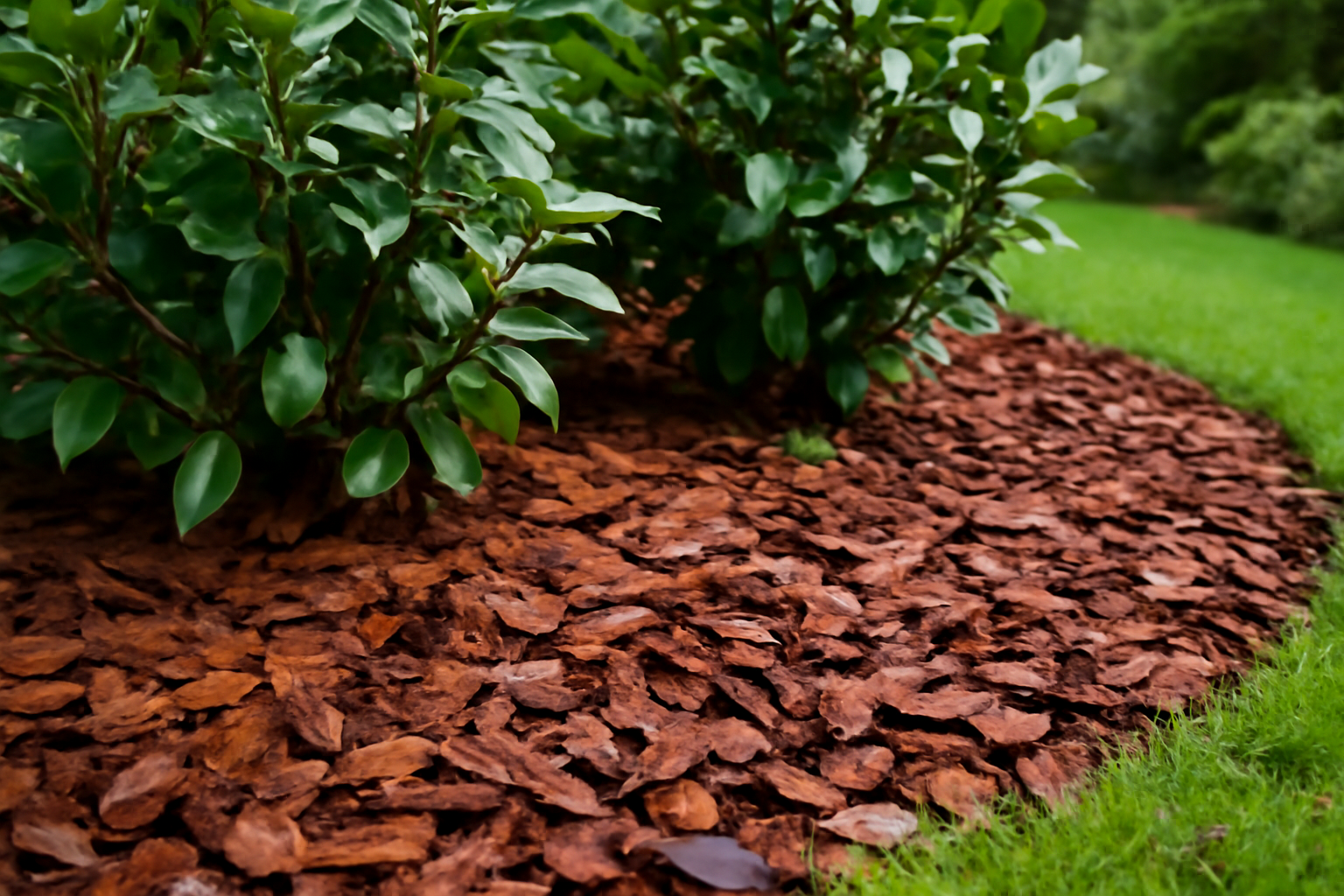
Three years ago, I nearly lost two of my most prized Japonicas. The culprit wasn’t a pest or a late frost. It was my own neglect of something basic: proper mulching. My soil was compacting badly between waterings, the pH was creeping up toward 7.0, and my camellias were showing it. Pale leaves, reluctant blooms, and that telltale yellowing between the veins that signals nutrient lockout. I knew I needed to get serious about pine bark mulch for my camellias, and fast.
I’ve been growing camellias in Zone 7b for over twenty years. In that time, I’ve learned that these plants are both tougher and more particular than most people give them credit for. They thrive in slightly acidic soil — ideally between pH 5.5 and 6.5 — and they absolutely hate wet feet. Good mulch solves both problems at once. However, finding the right product, especially for container specimens and smaller garden beds, had been a frustrating trial-and-error process for years.
The Pine Bark Mulch That Finally Stopped My Camellia Soil From Compacting
Camellia roots need air and drainage—they hate clay-heavy, compacted soil that holds water and locks up nutrients. I spent years using whatever mulch was cheapest, never realizing I was actually making the problem worse with fine, ground-up bark that turned to sludge by mid-season.
What works
- The nugget size stays intact through two full growing seasons, so your soil structure stays open and roots never feel squeezed.
- pH actually stayed in the 5.5–6.0 range where my camellias could absorb iron and magnesium, and new growth came in dark green instead of that washed-out yellow I’d learned to hate.
- Water penetrated faster and more evenly—no more dry pockets next to waterlogged zones that invite root rot.
What doesn’t
- You need to refresh it every two years if you want it to keep looking tidy—by year three, the nuggets had faded to gray and started breaking down, which meant reapplying.
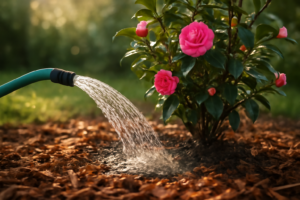
- A 12-quart bag doesn’t go as far as you’d think if you’re mulching multiple plants to the 3–4 inch depth camellias actually need, so budget accordingly.
I’ll admit I almost gave up halfway through year two—the yellowing hadn’t stopped completely, and I wondered if I was just throwing money at a soil pH problem that needed sulfur instead. But I stayed the course, refreshed the mulch layer, and by spring the difference was unmistakable. Soil Sunrise 100% Natural Pine Bark Mulch Nuggets (12 Quarts)
This post contains affiliate links. As an Amazon Associate, I earn from qualifying purchases at no extra cost to you.
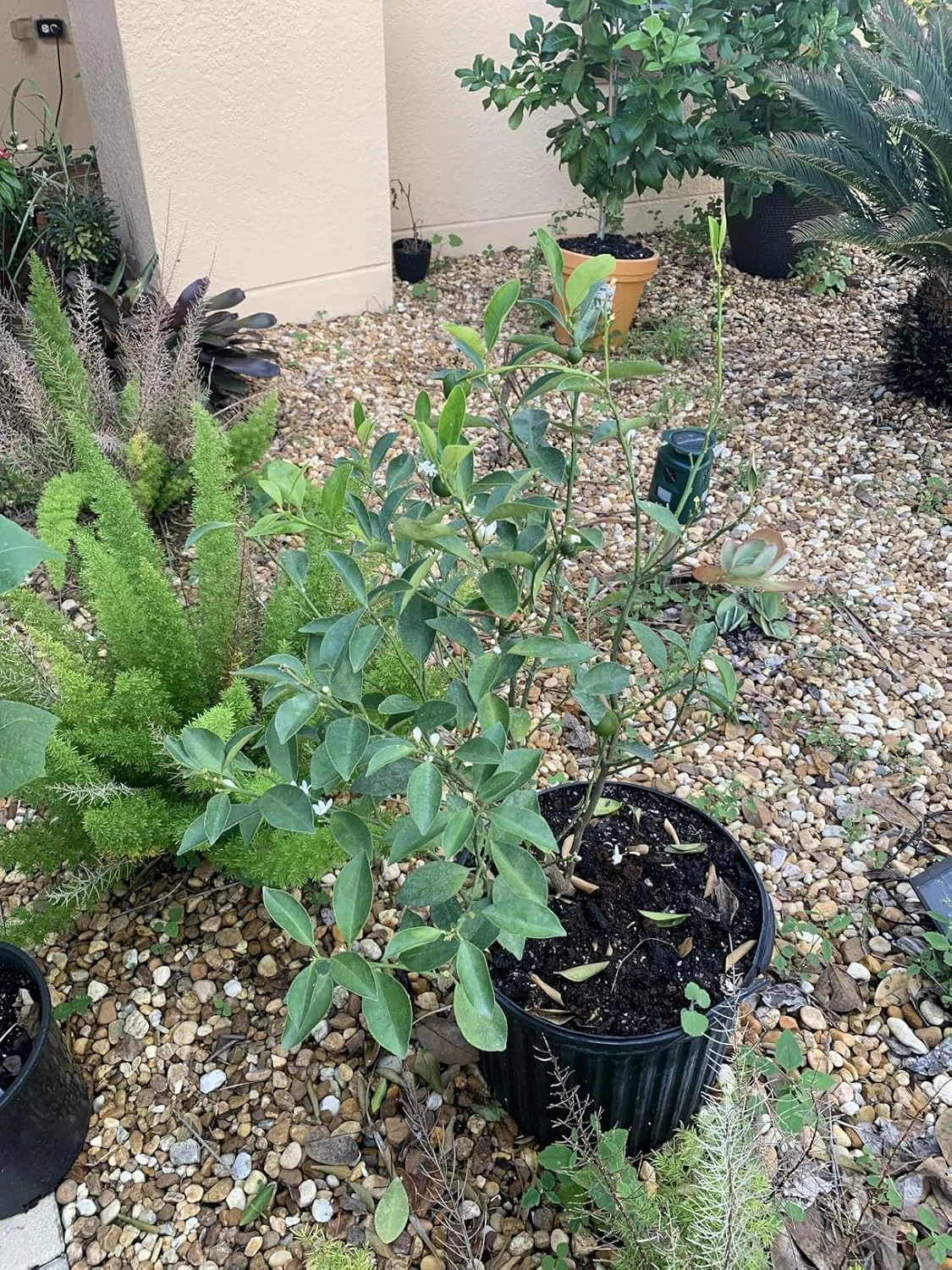
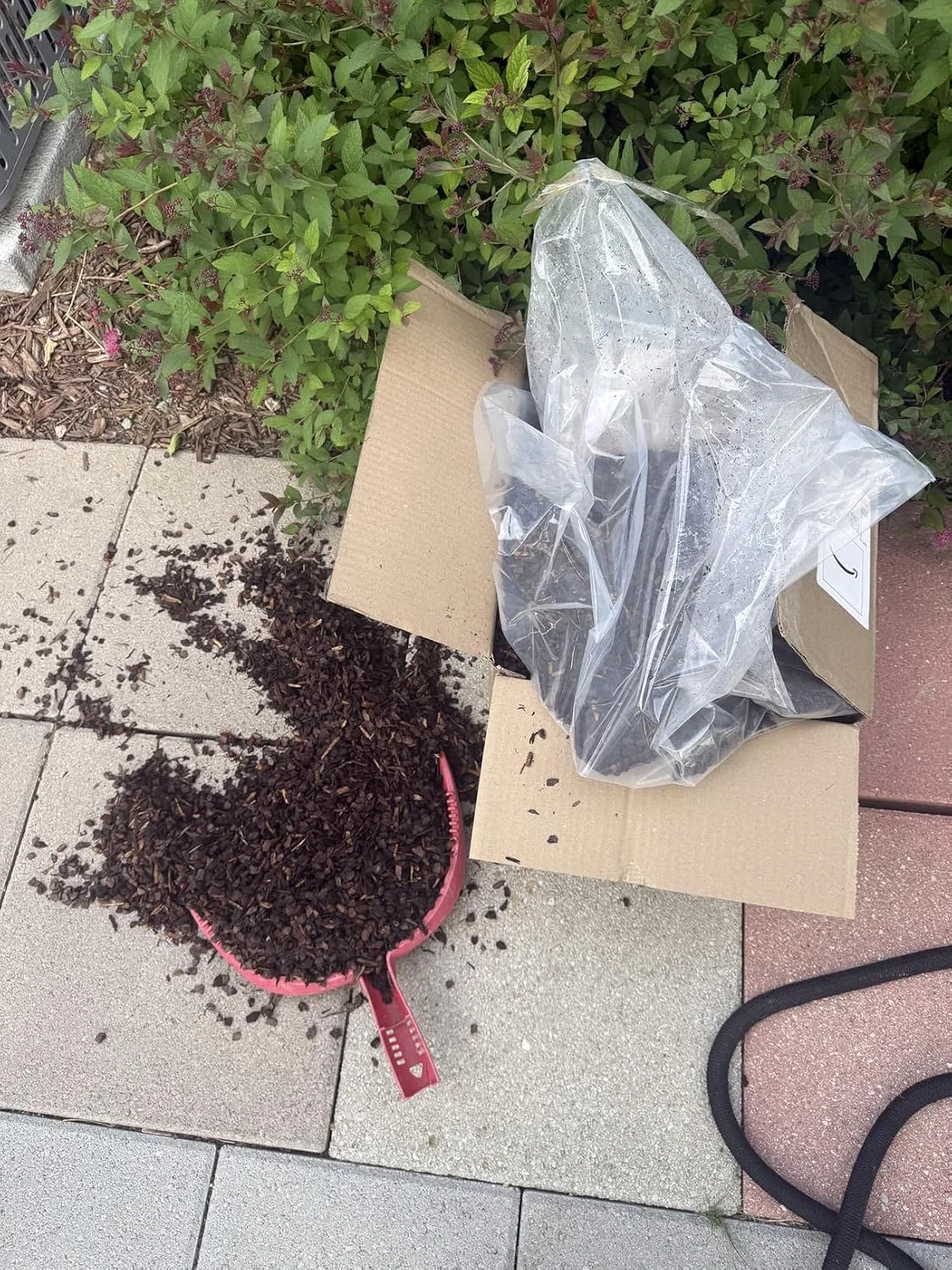
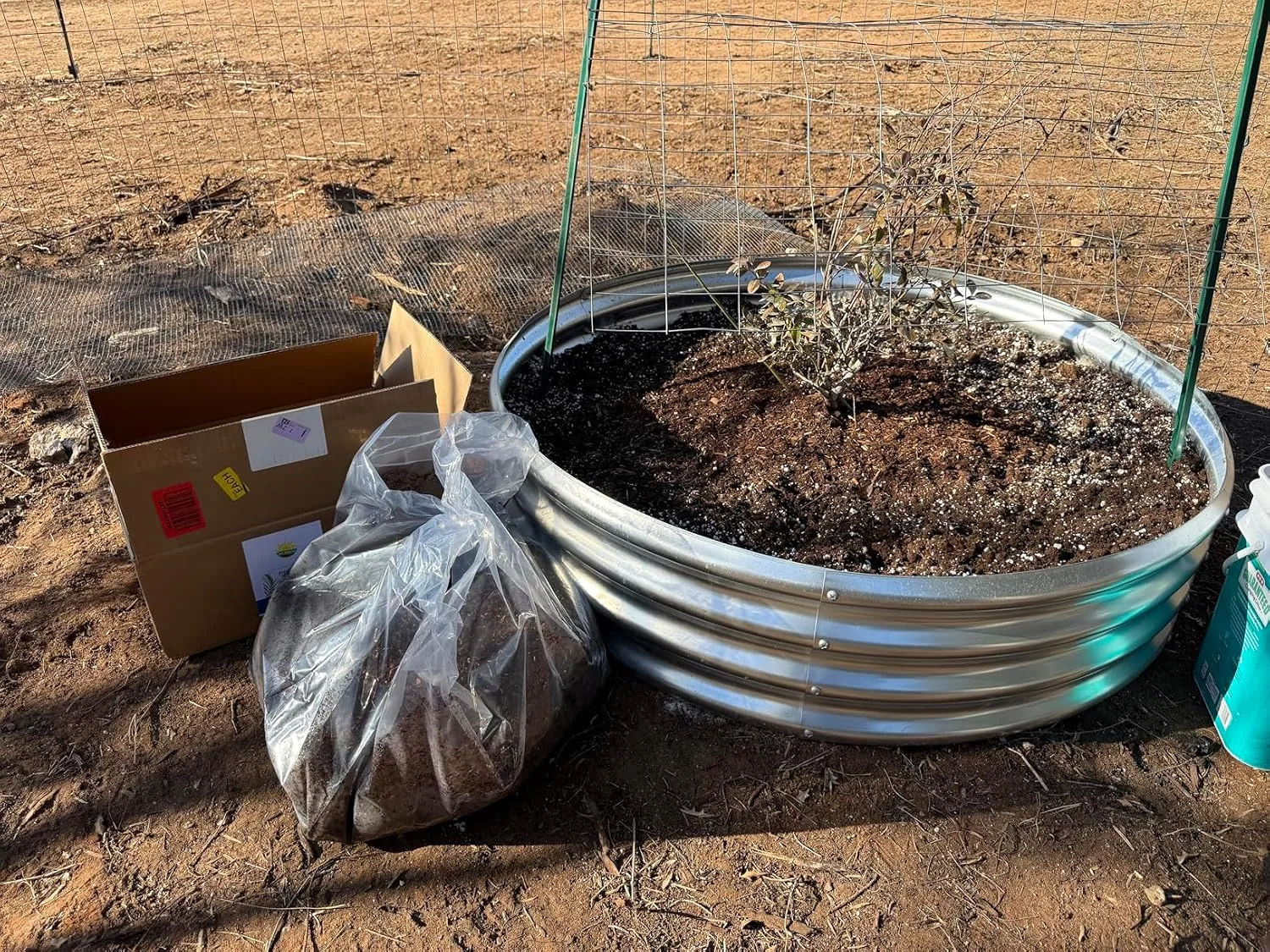
Soil Sunrise 100% Natural Pine Bark Mulch Nuggets (12
After three years of consistent results, this is the mulch I stopped replacing and started relying on.
Check Price on Amazon →