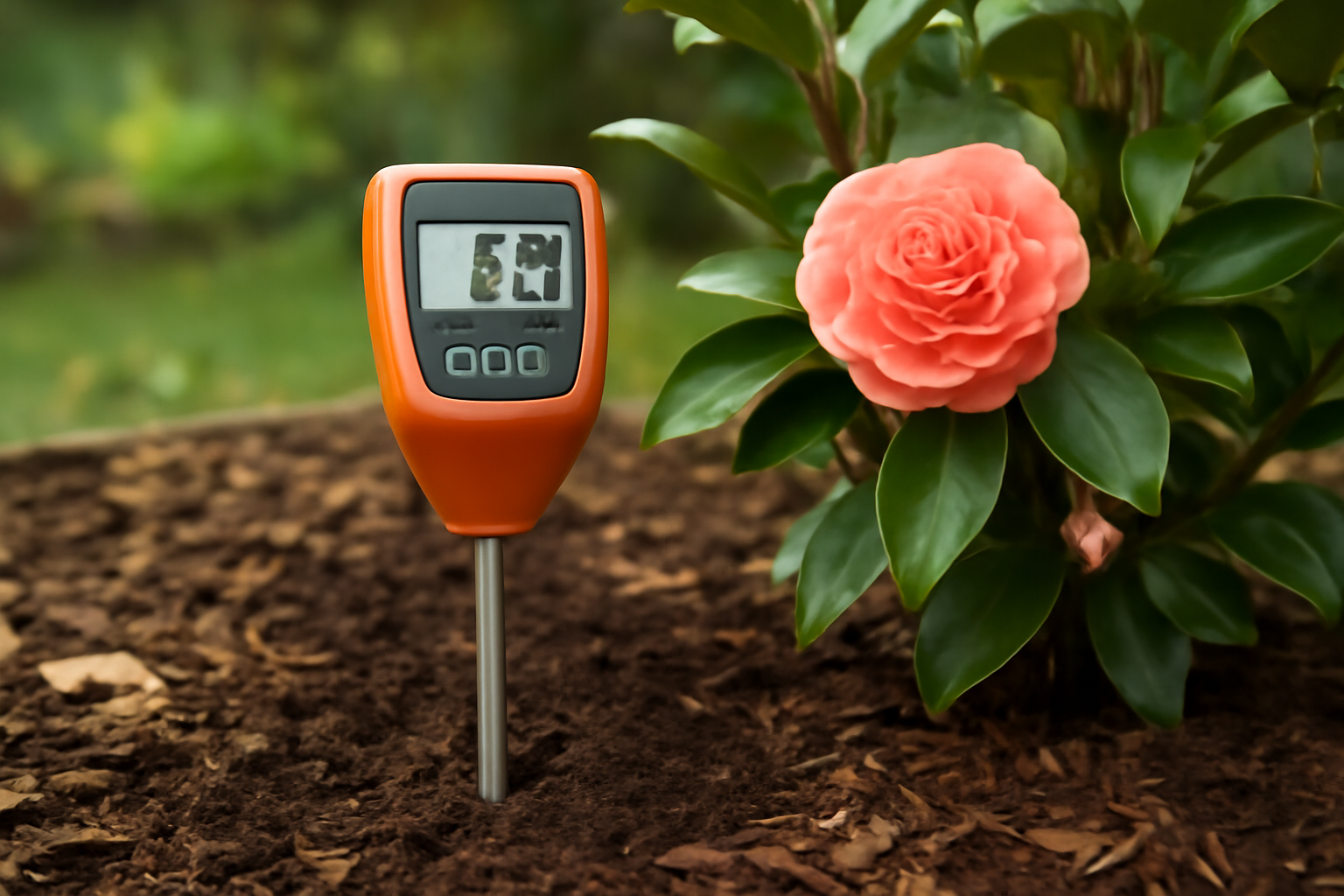
Last spring, I stood in my backyard staring at a row of struggling camellias and felt genuinely baffled. I’ve been growing camellias for over twenty years. My yard in Zone 8b is practically a camellia museum. Yet three of my Japonica beds looked washed out, with yellowing leaves and sparse blooms that embarrassed me every February. A neighbor suggested I finally get serious about using a soil pH meter for my camellias. That comment stuck with me longer than I expected.
The thing is, I’d always tested soil the old-fashioned way — those cheap chemical drop kits from the garden center. They’re messy, vague, and honestly a bit of a guessing game. My gut told me the soil had drifted alkaline after years of irrigation with our local hard water. However, gut feelings don’t fix struggling camellias. Data does.
So I decided to do something methodical for once. I tested every single camellia bed in my yard with a proper meter. Here’s exactly what I found — and what finally made a difference.
The pH Meter That Finally Explained Why My Camellias Were Yellowing
Camellias are acid-loving plants, and they’ll show you exactly what happens when soil pH drifts too high—pale, chlorotic leaves and weak growth that no amount of fertilizer fixes. I realized I’d been guessing at my soil chemistry for two decades when I should have been measuring it.
What works
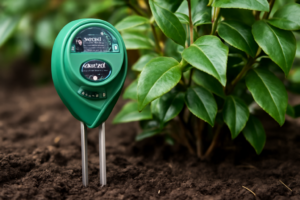
- The pH reading was consistent across multiple spots in the same bed, so I could actually see that my “problem” Japonica bed had drifted to 7.1 instead of the 5.5–6.5 camellias need.
- The moisture and light sensors turned out useful too—I discovered one bed was staying too wet after rain, which compounded the pH issue and probably invited root problems.
- At this price point, I didn’t feel precious about it, so I actually used it regularly instead of letting it gather dust like my old analog meter did.
What doesn’t
- The probe needs to go deep enough to get a real reading (at least 3–4 inches), and if your soil is compacted or rocky, you’ll fight it and wonder if the number is accurate.
- It’s not a lab test—it’s a snapshot of one spot at one moment, so I had to check multiple locations and times before I felt confident enough to amend my beds.
I almost returned it after the first reading seemed off, until I realized I’d been testing right next to where I’d just spread lime for the driveway—a false reading, not a bad meter. SONKIR Soil pH Meter, MS02 3-in-1 Soil Moisture/Light/pH Tester Gardening Tool Kits for Plant Care, Great for Garden, Lawn, Farm, Indoor & Outdoor Use (Green)
This post contains affiliate links. As an Amazon Associate, I earn from qualifying purchases at no extra cost to you.
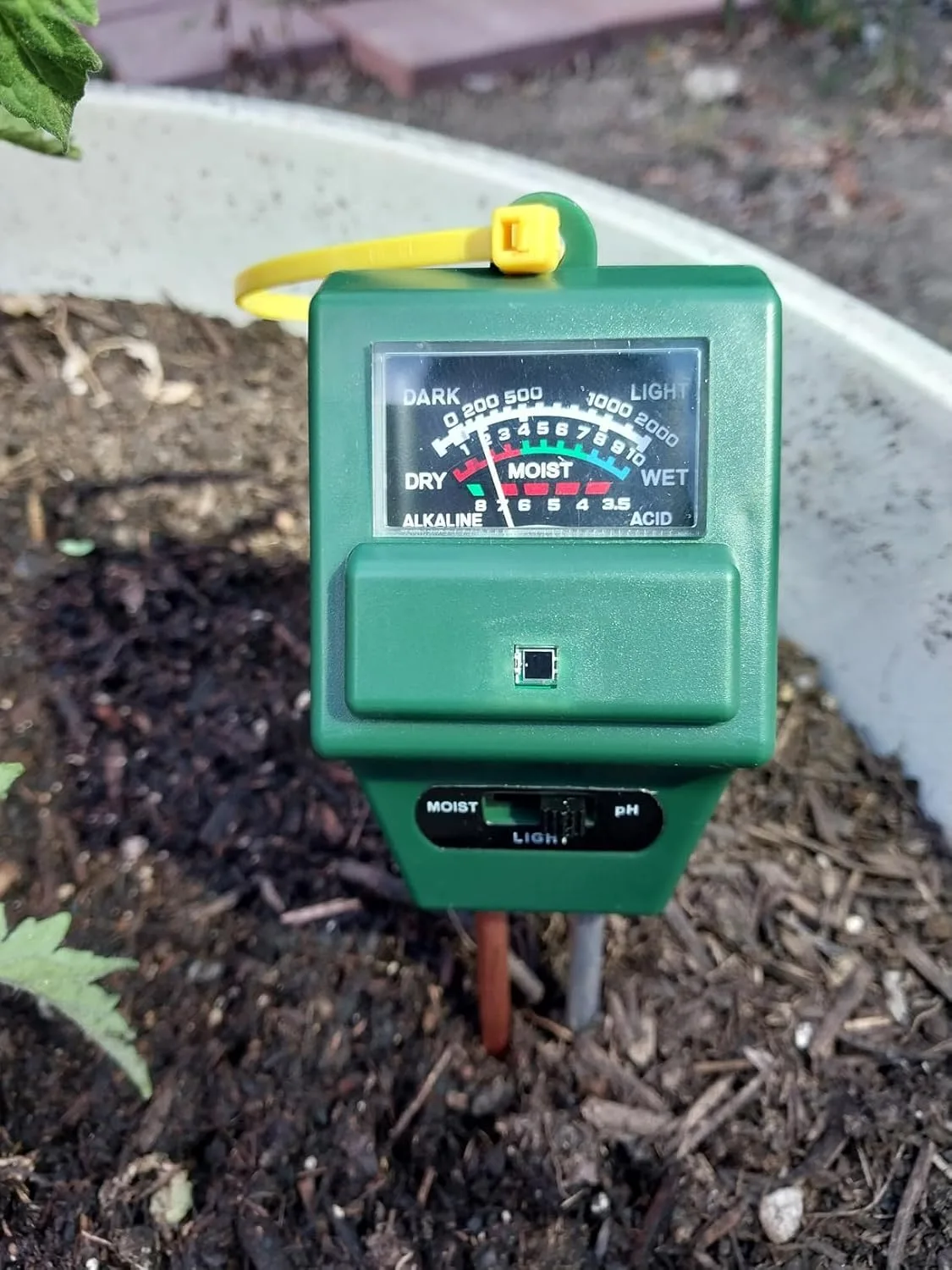
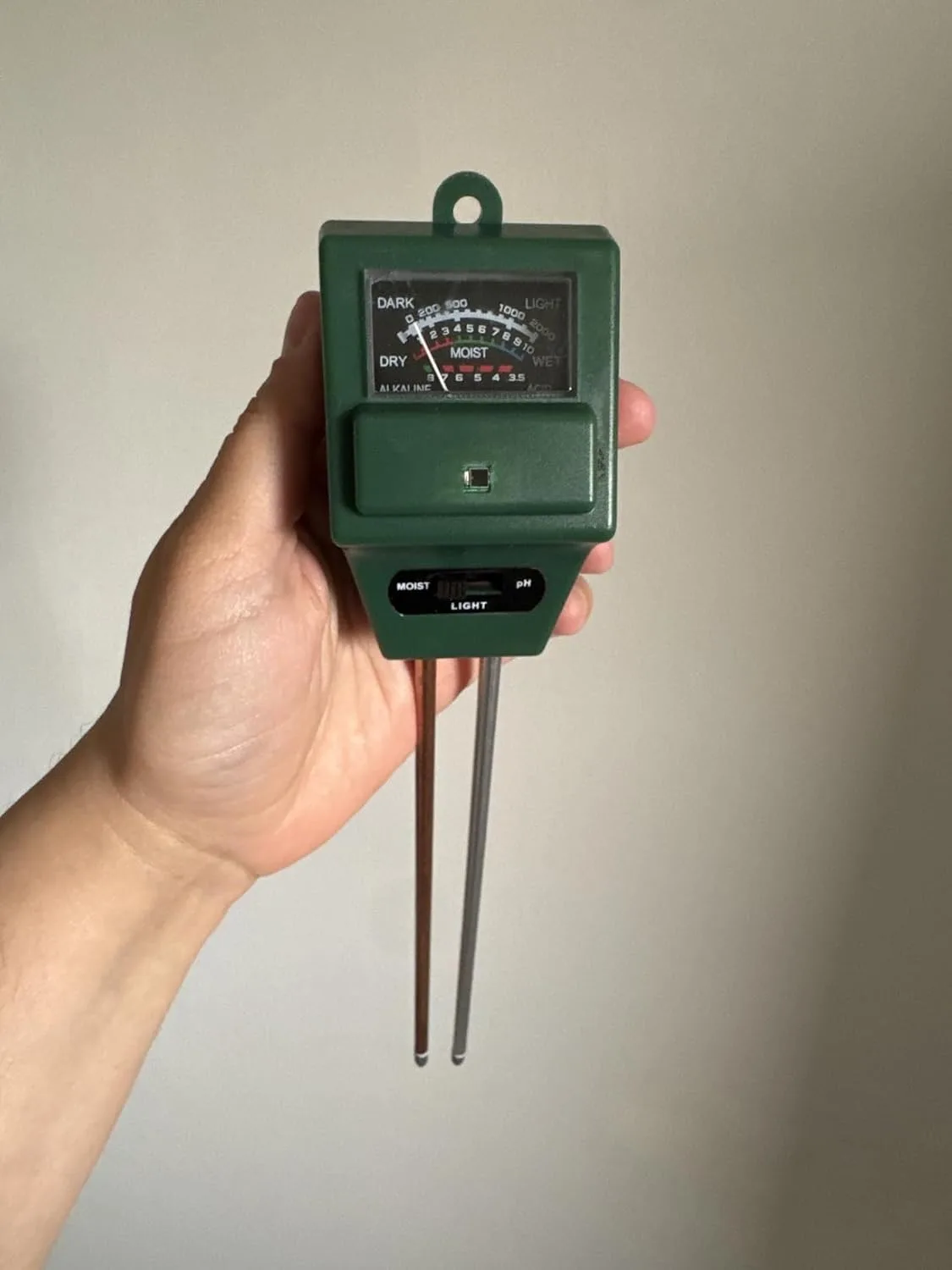
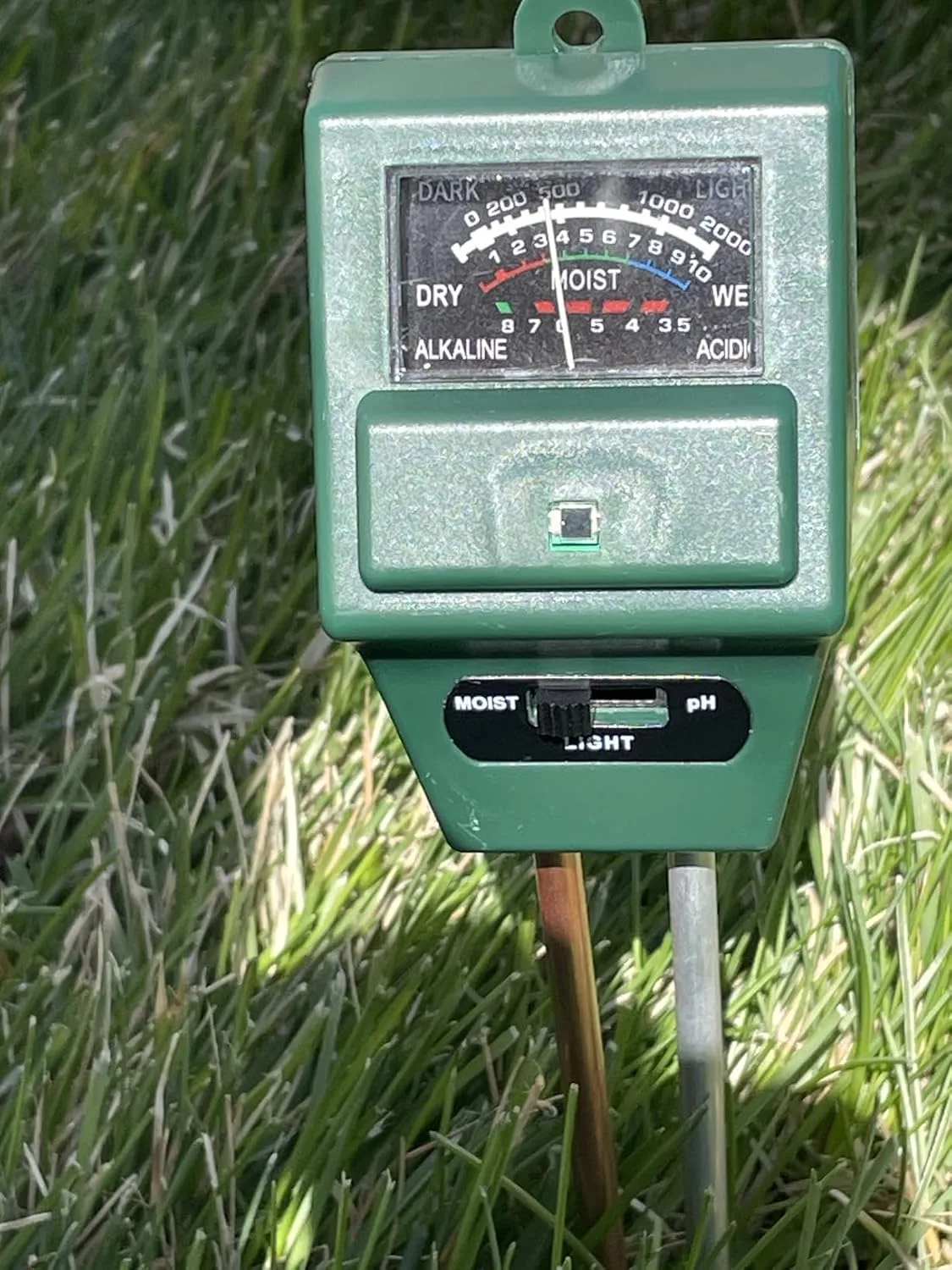
SONKIR Soil pH Meter, MS02 3-in-1 Soil Moisture/Light/pH
I used this regularly instead of letting it gather dust like my old meter, and caught both pH and drainage problems.
Check Price on Amazon →