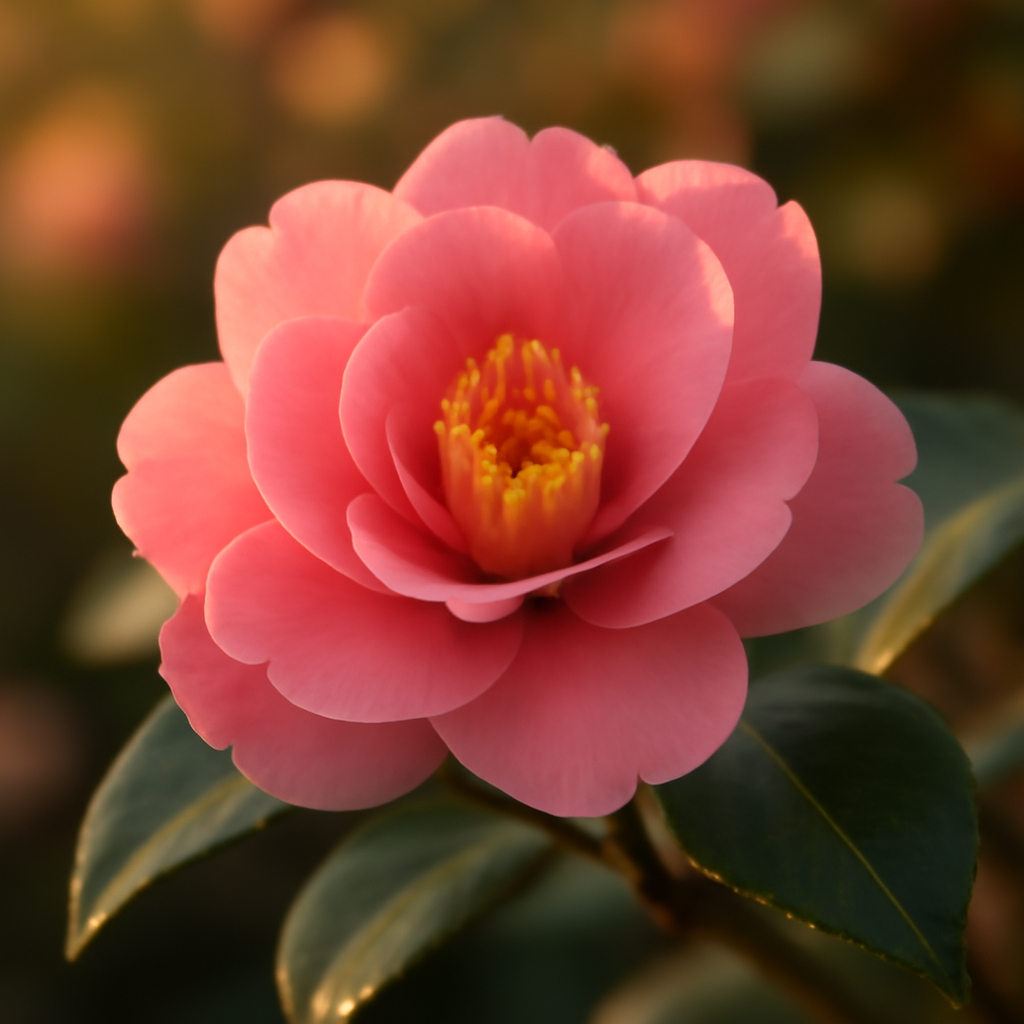

Most camellia growers don’t realize they’re hosting a pest problem until leaves start yellowing or flowers arrive stippled and bruised. That’s when panic sets in.
After 20+ years tending camellias across the Pacific Northwest, I’ve learned that knowing which insects actually threaten my plants—and which ones I can safely ignore—saves me time, money, and unnecessary spraying. The reality is far simpler than most pest guides suggest.
The Pests That Actually Matter on Camellias
Not every bug crawling on a camellia leaf needs killing. In my experience, only a handful of pests cause real damage worth treating. Identifying them correctly is half the battle.
Scale Insects: The Silent Leaf-Sucker
Scale insects are the most common camellia pest I see—and the one most people miss entirely. These tiny, armored pests cling to leaf undersides and stems, drawing sap while staying nearly invisible.
Two types plague camellias here in the Pacific Northwest. Camellia scale is small, flat, and brownish-gray, while tea scale is even tinier, reddish-brown, and clustered densely on leaf backs. Both weaken plants over time.
Look for the telltale signs: yellowing leaves that drop prematurely, sticky honeydew on lower foliage, and sooty mold (that black, dusty coating). On my beloved ‘Nuccio’s Gem’, heavy scale infestation nearly killed that plant three years running before I caught it.
Inspect leaf undersides during late winter or early spring. That’s when scale nymphs are actively feeding. Catching them early makes treatment far easier and less frequent.
Spider Mites: Dry Heat’s Gift to Gardeners
Spider mites thrive in hot, dry conditions—which means they’re more of a problem in warmer parts of the Pacific Northwest than in my cooler zone 7b garden. However, they’ll colonize camellias in containers or against south-facing walls anywhere.
Fine webbing on new growth is the dead giveaway. Affected foliage looks bleached, dusty, or stippled. In severe cases, entire sections of the plant lose all their leaves.
These aren’t true insects—they’re arachnids—which matters for treatment. A strong water spray often knocks back light infestations. For serious mite problems, you’ll need something stronger than insecticidal soap.
Mealybugs: The Fluffy Pest
Mealybugs look like tiny tufts of white cotton stuck to stems and leaf axils. They’re soft-bodied, slow-moving, and relatively easy to spot if you know what you’re looking for.
They congregate in protected crevices—where branches meet the main stem, under thick foliage clusters, in dormant flower buds. Inspect these spots closely in late summer and fall.
Mealybugs secrete honeydew like scale insects do, attracting ants and sooty mold. Left unchecked, they’ll weaken new growth significantly. On my ‘Magnoliaeflora’, a light mealybug population in September turned serious by November.
Japanese Beetles: Seasonal Chewers
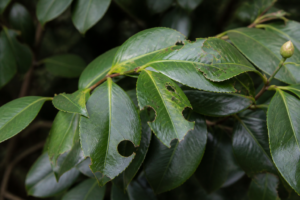
Japanese beetles skeletonize camellia leaves—eating tissue between the veins and leaving behind a lacy, see-through mess. They’re iridescent green and copper, about half an inch long, and impossible to miss once you know what they are.
These beetles are more of a zone 7b problem than zone 8, in my observation. They emerge in mid-summer and feed for 4–6 weeks. Damage looks dramatic but rarely kills established plants.
Hand-pick them during cool mornings when they’re sluggish. Just drop them into soapy water. For heavy infestations, targeted sprays work, but they’re overkill on most home gardens.
Pests That Look Scary But Aren’t Worth Treating
Camellias attract plenty of insects that cause no real harm. Learning to tolerate them saves effort and protects beneficial bugs.
Aphids on New Growth
Soft-bodied aphids cluster on tender spring shoots. They’ll give you a fright, but they rarely cause lasting damage to camellias. Natural predators—ladybugs, lacewings, parasitic wasps—control them within weeks.
A strong water spray dislodges them effectively. That said, spraying insecticide at aphids on camellias is usually unnecessary and wastes the beneficial insects managing them naturally.
Thrips in Flowers
Thrips rasp flower petals, creating brown streaks and distorted blooms. This is purely cosmetic damage. Plants remain perfectly healthy. On my exhibition cultivars like ‘Black Lace’, I notice thrips work sometimes, but it doesn’t matter for garden display.
Since blooms last only weeks anyway, I accept minor thrips damage as part of gardening. Heavy spraying risks harming pollinators and isn’t worth it.
Beetles and Weevils Passing Through
Various beetles and weevils visit camellia foliage briefly, causing minor notching or holes. They’re transient—moving on to other plants within days. Treatment is pointless.
Diagnosing Your Pest Problem
Before treating anything, confirm what you’re actually dealing with. Misdiagnosis leads to wasted effort and unnecessary chemicals.
Scout Early and Often
Check your plants weekly during the growing season. Inspect leaf undersides, branch crotches, and stem bases where pests hide. Early detection means easier control.
Late winter through early spring is prime scouting season. That’s when scale insects feed most actively and before spider mites explode in summer heat.
Use Magnification and Good Light
A hand lens or simple smartphone macro lens makes identification certain. Bad light causes misidentification. Scout on overcast mornings or use a headlamp to peer under dense foliage clearly.
Treatment Methods That Work
Once you’ve confirmed a pest problem, matching your method to the pest matters enormously. One-size-fits-all spraying fails more often than it succeeds.
Horticultural Oil for Scale and Mealybugs
Oil-based sprays coat insects and disrupt their life cycles. For camellia scale and mealybugs, I apply during dormancy (late winter into early spring) when pests are exposed and plants aren’t actively growing.
Spray thoroughly, coating all stems and both sides of leaves. Multiple applications two weeks apart work better than a single heavy spray. On my ‘Sasanqua’ hedge, winter oil applications every two weeks for six weeks eliminated a stubborn scale problem entirely.
Avoid oil sprays in extreme heat or when frost threatens within 24 hours. Spring applications work, but cool dormant-season treatments are gentler on plants and more effective on pests.
Insecticidal Soap for Soft-Bodied Pests
Soap kills aphids and young mealybugs on contact through dehydration. It’s less toxic than many alternatives and breaks down quickly. I repeat every 7–10 days as needed.
Spray thoroughly enough to wet all affected foliage. Coverage matters more than concentration. Always test on a small branch first—some plants respond poorly to soap in hot weather.
Neem Oil for Spider Mites and Light Infestations
Neem disrupts mite reproduction and controls young scale insects. It’s an organic option, though broad-spectrum enough to harm beneficial insects. I use it only when pest pressure justifies it.
Apply in early morning or late evening when pollinators aren’t active. Never spray during bloom. For spider mites specifically, I repeat every 5–7 days for three applications to catch successive generations.
Systemic Insecticides: When Nothing Else Works
For persistent scale infestations that resist oil and soap, systemic insecticides absorbed by plants and present in their sap kill sap-feeding pests effectively. They’re a last resort in my garden.
Follow label instructions precisely. Systemics persist in plants longer than contact sprays, so avoid applying near bloom time. My experience shows they’re most effective applied to soil in early spring as new growth emerges.
Prevention: Your Best Defense
Healthy, vigorous plants resist pests far better than stressed ones. Building pest resilience into your routine prevents most problems before they start.
Plant Spacing and Air Circulation
Dense, overcrowded camellias create humid microclimates where spider mites and fungal problems thrive. Space plants with mature size in mind—not how they look at planting time.
Thin interior branches occasionally to improve airflow. In my 200+ camellia collection, the densest plantings consistently host the worst pest problems.
Appropriate Watering
Drought stress weakens plants and invites spider mites. Overwatering promotes root rot and fungal issues. I water deeply and infrequently, letting soil dry slightly between waterings.
Consistent moisture during bloom and active growth supports plant vigor. In my zone 8, container camellias need more frequent water than in-ground plantings.
Monitor for Early Detection
Your weekly scouting routine is the single best pest prevention. Catching problems early means smaller, faster treatment and less plant damage.
My Go-To Pest Management Tool
After decades of dealing with camellia pests across different zones, I’ve learned that one reliable product simplifies winter pest management more than anything else. Horticultural oil applied at dormancy season—late February through March in most zones—handles both scale and mealybugs without the fuss of timing or repeated applications like synthetic alternatives demand. I keep this on hand specifically for my larger plants where hand-treatment isn’t practical. For consistent, gentle control that doesn’t risk harming new growth or interfering with bloom, it’s worth investing in a quality formulation rather than cheaper brands that sometimes leave residue or scorch sensitive cultivars.
Final Thoughts: Tolerance Over Perfection
Gardening with 200+ named cultivars taught me that chasing absolute pest-free plants is exhausting and unnecessary. Some insect damage is inevitable and visually minor once you accept it.
Focus your energy on true threats—scale, spider mites, mealybugs—that actually weaken plants. Ignore the cosmetic damage from passing insects. Scout regularly, treat early, and maintain healthy growing conditions. That combination keeps camellias thriving for decades without obsessive pest management.
About This Article

Written by Helen Pritchard. Helen Pritchard is a lifelong gardener in the Pacific Northwest who has grown more than 200 named camellia cultivars over two decades. She writes practical, experience-based guides to camellia care, from variety selection and pruning to troubleshooting yellowing leaves and bud drop. More about this site.
Verify this against a primary source
Specifics change, and your situation may differ from the one described here. These are the authorities worth checking directly:
- American Camellia Society — cultivar registration and culture guides
- USDA Plant Hardiness Zone Map — zone verification for your location
- Royal Horticultural Society — camellia cultivation and pest guidance