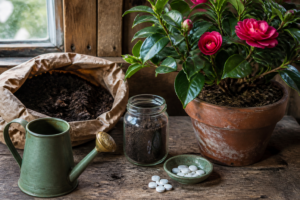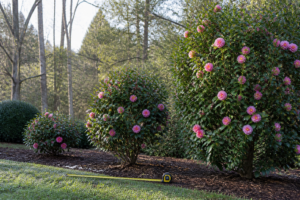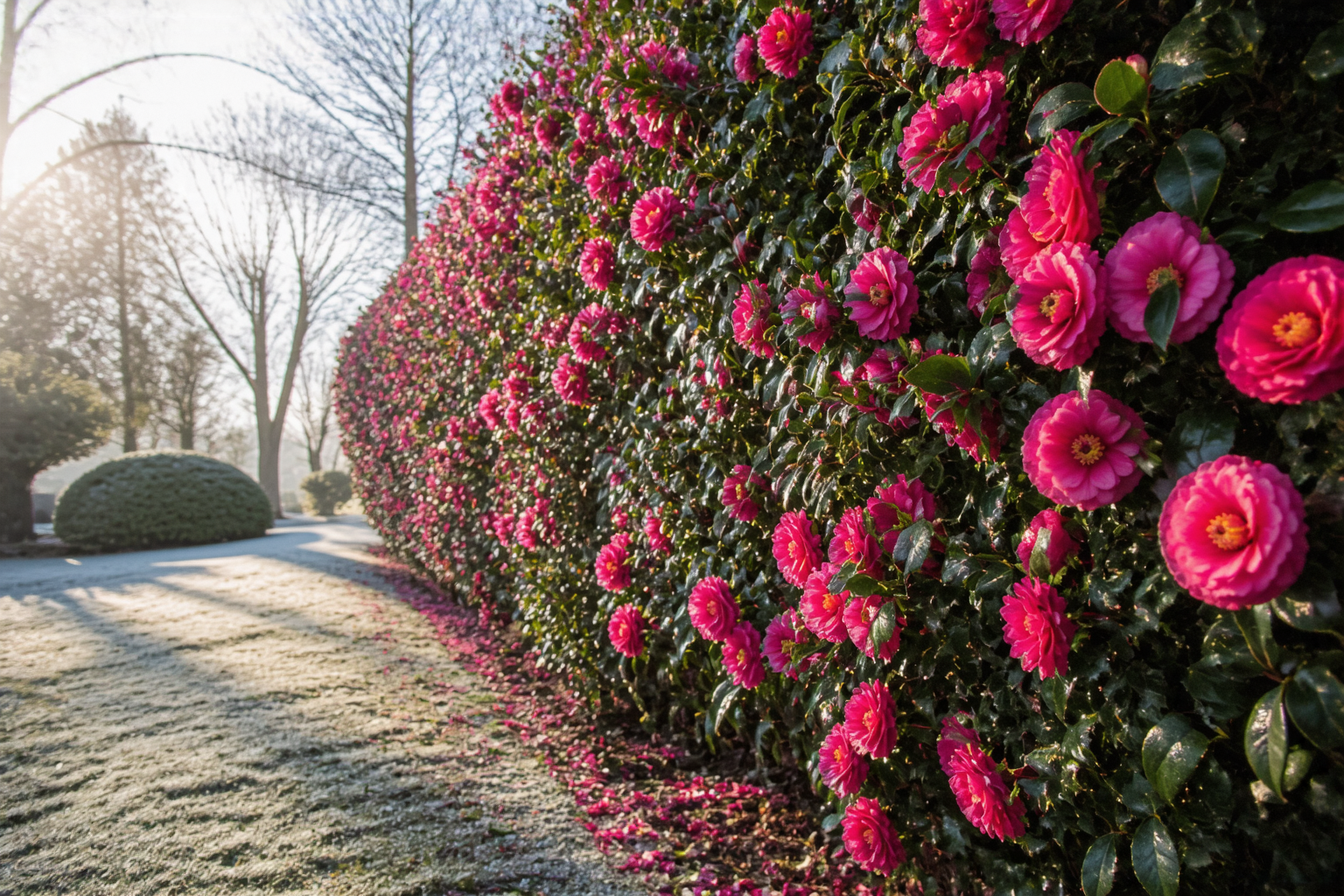
I’m Helen Pritchard, standing in my zone 7b garden on a chilly December morning, with a beautiful camellia in full bloom behind me. It’s ‘Donation’—an orchid-pink semiflower so generous with its petals that I swear it produces more flowers than foliage. Around it, a dozen other cultivars are either budding or already flowering, completely unbothered by the frost still lingering on the grass. This is the moment I wish every zone 7 gardener could witness: the simple, humbling reality that cold hardy camellias zone 7 aren’t some exotic compromise. They’re some of the most reliable, rewarding shrubs you can grow in this climate.
For more than twenty years, I’ve grown camellia collections across three USDA zones—7b, 8a, and 8b. Yet I keep coming back to my 7b section with genuine affection. Zone 7 is where camellias stop being an experiment and become a garden staple. You don’t need rare hybrids bred specifically for arctic survival. You need the right varieties, thoughtful siting, and the patience to let winter do its thing.
If you’re new to camellias in zone 7, I want to set your mind at ease right from the start. You have far more options than you think.
What Zone 7 Winters Actually Mean for Camellias
Let’s start with the facts. Zone 7 winters sit between 0°F and 10°F (-18°C to -12°C). That’s the official range, and it matters. Most standard camellia varieties—the kinds you’ll find at any respectable nursery—tolerate exactly this temperature range with little fuss when they’re sited properly.
Here’s what surprised me when I first moved my collection to zone 7b: the difference between zone 6 and zone 7 is enormous for camellia growing. In zone 6, you’re hunting for specialized cold-hardy hybrids and praying your plants don’t defoliate during a hard freeze. In zone 7? Standard camellias—I’m talking about regular Camellia japonica and Camellia sasanqua cultivars—simply thrive.
The key phrase is “sited properly.” That matters more than variety in most cases. A ‘Berenice Boddy’ japonica tucked against a south-facing wall will laugh off a 5°F night. The same cultivar planted in an exposed northern border with clay soil that holds water? It might sulk. Or worse.
Zone 7 winters are also short. Hard freezes that dip below 5°F usually pass quickly. Your camellias aren’t battling sustained cold like they would in Minnesota. That matters psychologically too—you’re not nursing plants through months of subzero misery.
Zone 7a vs Zone 7b — Does the Difference Matter?
Yes. It does. And I’m going to be honest about this because I’ve made mistakes by ignoring the distinction.
Zone 7a experiences winter lows between 0°F and 5°F. Zone 7b, where my primary garden sits, sees lows between 5°F and 10°F. That 5-degree difference feels small on paper. In reality, it can determine whether a camellia flowers reliably or simply survives as a bare-branched shrub.
In my zone 7b garden, I grow nearly every camellia variety with confidence. ‘Kramer’s Supreme’, ‘Governor Mouton’, even tender williamsii hybrids like ‘Donation’—all thrive with just some afternoon shade and basic drainage. But when I visited a friend in zone 7a three years ago, I had to recalibrate my recommendations.
Zone 7a gardeners should focus on the hardiest cultivars first. Sasanquas generally perform better than japonicas in 7a. The April series and other Ackerman hybrids were literally bred for zone 6, so zone 7a is their sweet spot. ‘Donation’ (a williamsii hybrid) is tough enough to include here too.
That said, zone 7a is not a camellia desert. It’s just more selective. A sheltered microclimate—south-facing wall, afternoon shade, wind protection—transforms your options dramatically. I’ve seen zone 7a gardens with spectacular collections simply because the gardener understood siting.
The Best Cold Hardy Camellia Varieties for Zone 7
Now for the cultivars. I’m going to give you my honest picks based on years of watching these varieties perform in my own zone 7b garden and countless others nearby. These are camellias for zone 7 that I’ve personally seen flower reliably, even through rough winters.
Sasanqua Varieties for Zone 7
Sasanquas are your autumn and early winter bloomers. They flower earlier than japonicas—often September through November—which means they’re less likely to have open blooms damaged by a late freeze. For zone 7, sasanquas are genuinely reliable.
‘Yuletide’ is the camellia I’d plant in a zone 7a garden without hesitation. It’s a small-flowered single with brilliant red petals and gold stamens. Flowers come in December and January, just when you need color most. The plant itself is compact, often 6–8 feet tall, and responds beautifully to light pruning. I’ve seen it used as a hardy hedge in zone 7 gardens more than any other camellia.
‘Shi Shi Gashira’ is my personal go-to for a softer aesthetic. It’s rose-pink, semidouble, and grows with a lovely spreading, mounding habit. You get flowers from October straight through December. The plant rarely exceeds 4 feet tall, so it works in foundation plantings where taller shrubs would be awkward. Hardiness? Bulletproof in zone 7.
‘Kanjiro’ rounds out my sasanqua trinity. Strong pink color, vigorous growth, and an almost aggressive willingness to flower even in marginal conditions. I’ve watched this one shrug off years that made other camellias hesitant. It does want afternoon shade to prevent leaf scorch, especially in zone 7b where sunny exposures can cook it.
Japonica Varieties for Zone 7
Japonicas are the classic camellia. Large, showy flowers. Long bloom season from January through April. For zone 7b gardeners, they’re genuinely routine. Zone 7a gardeners? Pick carefully, and pick for shelter.
‘Berenice Boddy’ is the starter japonica everyone should consider. Light pink, semiflower, consistent bloomer, and almost embarrassingly cold-tolerant. I’ve never seen it fail in zone 7, even in a 7a garden with minimal protection. If you’re new to camellias, start here. You’ll feel like a genius when it flowers.
‘Professor Sargent’ is the opposite temperament—formal double, deep red, reserved, elegant. It’s also brutally cold-hardy for a japonica. This is the cultivar I point to when someone tells me camellias can’t handle zone 7 winters. Yes, they can. This proves it. Give it afternoon shade and decent drainage, and it rewards you for years.
‘Governor Mouton’ is an old Southern belle, and old Southern belles know how to handle themselves in chilly weather. Deep red with white marbling—sometimes called “variegated,” though the pattern shifts yearly. Vigorous, reliable, and grown successfully in zone 7 gardens for decades. It wants afternoon shade and wind protection, but nothing unusual.
‘Kramer’s Supreme’ is my zone 7b luxury. Deep red peony form—fully double with a high center—and fragrant, which is rare in dark red japonicas. It’s more cold-sensitive than the others I’ve mentioned. In zone 7a, I’d skip it unless you have a south-facing wall. But in 7b with some shelter? Stunning.
Williamsii Hybrids and the “April” Series
Williamsii hybrids are crosses between japonica and sasanqua. They inherit the best traits: prolific flowering, moderate size, and surprising hardiness. ‘Donation’ is the gold standard—orchid-pink, semiflower, absolutely smothered in blooms from February through April. I have three in my zone 7b garden, and they’ve never let me down.
Here’s why williamsii hybrids matter for zone 7: they flower later than sasanquas but earlier than many japonicas. That timing is genuinely helpful. You avoid the worst of late-season hard freezes and early-spring warmth cycles that can damage buds.
The Ackerman Hybrids—specifically the April series—are in a category of their own. These were bred by William Ackerman specifically for zone 6 cold hardiness. But they perform beautifully in zone 7 as bonus: they flower in spring (April, hence the name), which means their buds escape the worst of winter altogether. ‘April Rose’, ‘April Dawn’, and ‘April Kiss’ are all excellent. Zone 7a gardeners especially should explore these.
How to Site Camellias for Success in Zone 7
Let me be direct: siting matters more than variety selection in zone 7. I learned this the hard way.
Ten years ago, I planted a ‘Berenice Boddy’ in full morning sun, thinking the hardiness rating would carry it. Come January, the south side of the plant looked scorched. Cold damage? No. Freeze-thaw damage from the sun warming the tissue during the day, then hard frost at night. Rookie mistake.
Ideal siting in zone 7 is morning sun to dappled afternoon shade. This sounds generic, but it’s specific: morning sun dries frost off leaves (preventing fungal issues), but afternoon shade prevents those dangerous warm-then-freeze cycles. A position sheltered from harsh winter winds is non-negotiable too. Wind-exposed plants suffer leaf scorch and bud desiccation, especially in dry zone 7 winters.
Avoid low frost pockets. Cold air settles. Every neighborhood has that one low spot where frost arrives first and lingers longest. Don’t plant cold-marginal camellias there. Use those spots for the bulletproof sasanquas instead.
Drainage is equally critical. Camellias despise waterlogged soil. In zone 7, where spring rains are common, amend heavy clay with pine bark or coarse sand. I use a 4:1 ratio of amended native soil to pure pine bark for any camellia planting. It’s overkill? Maybe. But I’ve never had drainage problems with that mix.
When (and How) to Protect Blooms During a Hard Freeze
Most winters in zone 7, your camellias won’t need protection. But a hard freeze—temperatures dropping below 10°F—can damage open flowers and unopened buds on tender cultivars. When should you intervene?
Pay attention to the forecast. If temperatures are dropping below 5°F and your camellia is covered in open flowers, frost cloth helps. Throw it over the plant gently in the evening. Remove it the next morning when temperatures rise. Don’t use plastic—it doesn’t insulate. Use frost cloth, an old sheet, or burlap.
In my zone 7b garden, I use frost cloth maybe once every three years. And honestly, I mostly do it for psychological comfort. Most camellias tolerate brief dips below 5°F without significant bud loss. But if you’ve got a prized specimen in full flower during an arctic outbreak, why not protect it?
The key is “temporary.” Don’t build permanent structures around camellias in zone 7. The plants don’t need them, and they block air circulation, inviting fungal disease. Frost cloth for emergency events? Smart. Permanent frost cloth wrapping? Overkill and counterproductive.
Your Zone 7 Camellia Garden Awaits
Zone 7 gardeners often worry unnecessarily about camellia hardiness. You’ve probably read content written for zone 6 or colder climates where cold-hardy hybrids truly are the only option. That’s not your situation. In zone 7—especially 7b—siting and drainage matter far more than variety selection.
Here’s my practical recommendation: start with ‘Berenice Boddy’ if you’re nervous. Plant it in afternoon shade with amended soil and decent wind protection. Watch it thrive. Then, emboldened, add ‘Yuletide’ for autumn color, ‘Donation’ for spring abundance, and whatever else catches your eye. You have room to experiment in zone 7.
Cold hardy camellias zone 7 aren’t a luxury or a risky experiment. They’re standard shrubs that belong in your garden. I’m proof—and my zone 7b collection of 200+ named cultivars is proof that when you match varieties to microclimate, zone 7 is genuinely easy camellia territory.
Stop hesitating. Plant a camellia this fall.
About This Article

Written by Helen Pritchard. Helen Pritchard is a lifelong gardener in the Pacific Northwest who has grown more than 200 named camellia cultivars over two decades. She writes practical, experience-based guides to camellia care, from variety selection and pruning to troubleshooting yellowing leaves and bud drop. More about this site.
Verify this against a primary source
Specifics change, and your situation may differ from the one described here. These are the authorities worth checking directly:
- American Camellia Society — cultivar registration and culture guides
- USDA Plant Hardiness Zone Map — zone verification for your location
- Royal Horticultural Society — camellia cultivation and pest guidance