Most camellia problems I’ve solved over two decades trace back to one invisible culprit: soil pH.
You can have perfect drainage, consistent watering, and afternoon shade—yet your camellias still yellow, drop buds, and sulk. The leaves start looking anemic. Growth stalls mid-season. That’s usually pH talking, not bad luck.
Camellias are finicky about acidity. They genuinely need it to thrive. In my 200+ cultivars across three zones, I’ve watched varieties like ‘Kanjiro,’ ‘Ville de Nantes,’ and ‘Debutante’ transform from struggling to glorious once I dialed in soil chemistry. Getting pH right removes so much guesswork.
Why pH Matters So Much for Camellias
Camellias are calcifuges. That’s a fancy way of saying they hate lime and alkaline conditions. They’ve evolved in acidic forest soils across Japan, China, and Southeast Asia—not in chalk beds or limestone regions.
The magic number for camellias is pH 5.0 to 6.5. Ideally, I aim for 5.5 to 6.0. That range lets roots absorb iron, manganese, aluminum, and other trace elements they desperately need. Without that acidity, those nutrients lock up and become unavailable—even if they’re physically present in the soil.
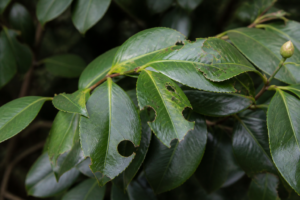
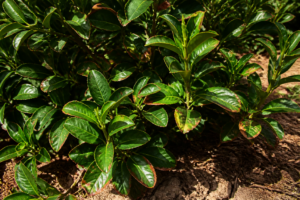
What does nutrient lockup look like? Yellowing leaves with dark green veins. Stunted new growth. Buds that drop before opening. I saw this happen with a ‘Black Lace’ I planted near a limestone path—the reflected alkalinity from the stones gradually shifted the pH upward, and within two years, the plant looked half-dead.
Testing Your Soil: Start Here
You can’t fix what you don’t measure. Don’t guess. Get a soil test done.
I send samples to my local Extension office every three to four years. It costs $15–$25 and takes two weeks. They give me exact pH, plus phosphorus, potassium, calcium, magnesium, and organic matter percentages. For camellias, this is non-negotiable information.
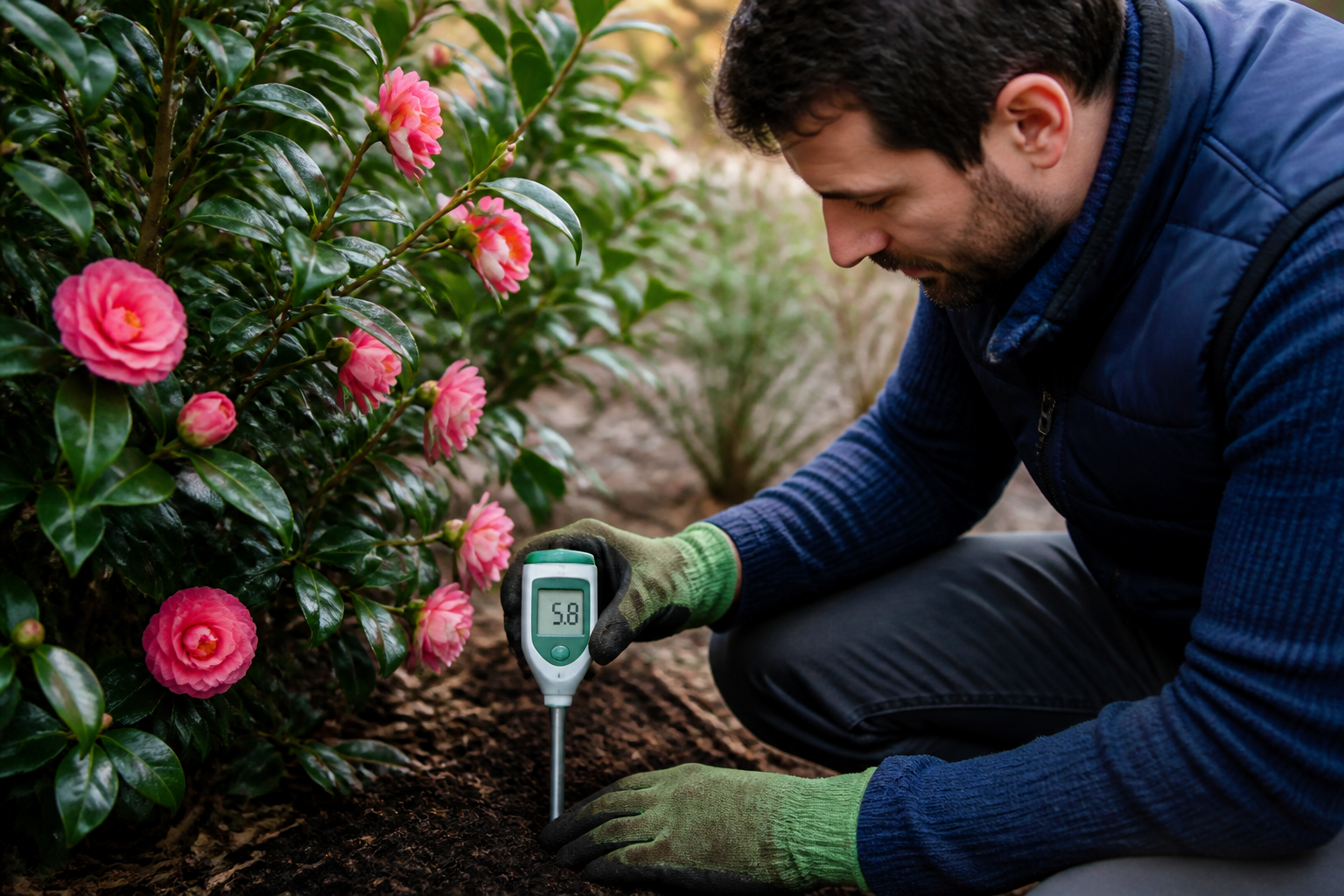
If you want a quicker read, grab an inexpensive home pH meter from any garden center—$10 to $30. Dig a small hole six inches deep in the root zone (avoid hitting roots directly). Mix the soil sample with distilled water until it’s a moist paste consistency. Insert the probe and wait 60 seconds. Take three readings around each plant and average them.
Home meters aren’t lab-accurate, but they’ll tell you if you’re in the ballpark. Over 6.5? You’ve got work ahead. Under 5.0? Less common, but it happens in very peaty soils—and you might need to raise pH slightly.
How to Lower pH: The Practical Routes
Most gardeners outside the Deep South and coastal regions face high pH problems. Hard water, limestone soils, or alkaline parent material creep upward over years. Here’s what actually works.
Sulfur: The Tried-and-True Method
Elemental sulfur is my first choice. It’s cheap, widely available, and reliable. Microbes in the soil convert sulfur into sulfuric acid, gradually lowering pH over weeks and months.
The rule of thumb: to lower pH by one full point, apply sulfur at 1 to 1.5 pounds per 100 square feet of bed area. Spread it evenly on the soil surface and work it in lightly with a cultivator. Don’t bury it deeply—you want microbial contact.
Timing matters. Apply sulfur in early spring or fall when soil is moist but not waterlogged. Dry soil slows microbial activity. I usually do mine in March or September. Results take six to twelve weeks to show on a follow-up test.
A caution: sulfur works more slowly in cool climates and sandy soils. In my zone 7b, I see faster pH drops than friends in zone 6. If you’re in a cool area, start in year one and retest after eight weeks.
Aluminum Sulfate (Alum): Faster, but More Temporary
Aluminum sulfate works faster than elemental sulfur—results show in three to four weeks. It’s also useful because the aluminum itself is a trace element camellias need. In my 8a zone, I’ve used it as a quick fix when a new planting revealed higher pH than expected.
The drawback: results aren’t permanent. You’ll need to reapply every two to three years. Apply at 1 to 1.5 pounds per 100 square feet, dissolved in water and distributed evenly.
That said, alum can occasionally push aluminum levels too high if you overdo it repeatedly. Stick to recommended rates and monitor with periodic tests.
Organic Matter: The Long Game
Pine bark, composted oak leaves, and peat moss all acidify soil naturally—but it happens slowly. However, they also improve structure and drainage, which camellias love anyway.
I use these as an accompaniment, not a replacement. Work 3 to 4 inches of aged pine bark into the top 6 inches of existing soil each spring. Over three to four years, this shifts pH downward plus creates the loose, airy texture camellias prefer. With my ‘Mathotiana’ and ‘Rosea Superba’ plantings, this layered approach has been far gentler than aggressive sulfur applications.
Common pH Mistakes I’ve Seen (And Fixed)
Over twenty years, certain patterns repeat. Here’s where people go wrong—and how to avoid it.
Mistake 1: Assuming “Acidic-Loving Plant” Means Any Compost Works
I planted ‘Governor Mouton’ (a gorgeous red camellia) in a bed with fresh mushroom compost, assuming compost was universally acidic. It’s not. Mushroom compost is often neutral to slightly alkaline due to the chalk added during cultivation. The camellia sulked for years.
Use pine bark, composted pine needles, aged hardwood bark, or tested compost labeled “for acid-loving plants.” Don’t wing it with unknown composts.
Mistake 2: Treating Hard Tap Water as a Non-Issue
If your tap water is alkaline (which it often is in limestone or chalk regions), repeated watering gradually raises soil pH back up. You lower the soil to 5.5, but the water keeps creeping it back toward 6.5 or 7.
In my 8b zone, I’ve got moderately hard water. I collect rainwater in barrels for my camellias—it’s nearly pH-neutral and free of chlorine. If rain collection isn’t feasible, let tap water sit overnight to allow chlorine to off-gas, and test it first. Knowing your water’s pH prevents a five-year seesaw battle.
Mistake 3: Over-Correcting (Going Below 5.0)
Zealous gardeners sometimes chase ever-lower pH, thinking “more acid is better.” It isn’t. Below pH 5.0, aluminum and manganese become hyperavailable and can actually toxify roots. I’ve burned camellia roots this way, years ago.
Stick to 5.5 to 6.0. Test. Wait. Retest. Patience beats panic every time.
A Real-World Example: My ‘Kanjiro’ Turnaround
‘Kanjiro’ is a formal double with deep red blooms—one of my favorites. I inherited a five-year-old specimen when I bought my current property. It was chlorotic, barely flowering, and generally miserable.
A soil test revealed pH 7.1. The previous owner had mulched heavily with limestone chips thinking it was decorative. I removed the old mulch, worked sulfur into the top 8 inches at 1.5 pounds per 100 square feet, and added 4 inches of pine bark mulch on top.
Eight weeks later, a retest showed pH 6.2. The chlorosis began fading within three months. By the following season, ‘Kanjiro’ gave me forty perfect blooms. The plant’s been thriving for eight years now. One soil amendment made the difference between a struggling plant and a showstopper.
Ongoing pH Maintenance
pH correction isn’t one-and-done. In established beds, I test every three to four years. Water quality, organic matter breakdown, and seasonal leaf litter all shift pH gradually over time.
For ongoing maintenance in neutral or slightly alkaline soils, apply a light sulfur topdressing (0.25 to 0.5 pounds per 100 square feet) each autumn. This prevents creep without overcorrecting. Refresh pine bark mulch annually—as it breaks down, it continually feeds acidity into the upper soil layers.
In very acidic areas (peat-heavy, sandy, or naturally low-pH soils), the opposite applies. A light lime application every five to seven years prevents pH from dropping below 4.8. But this is rare among camellia gardeners. Most of us are fighting the other direction.
Final Thoughts: The Invisible Foundation
Soil pH doesn’t sound dramatic. There’s no visible pest to spray or disease to name. But it’s the bedrock of everything your camellias do—nutrient uptake, root vigor, bloom production, and disease resistance all hinge on it.
Get tested. Fix it once. Maintain it going forward. Do that, and your camellias will reward you with decades of healthy, vigorous growth and those blooms you planted them for in the first place.
About This Article

Written by Helen Pritchard. Helen Pritchard is a lifelong gardener in the Pacific Northwest who has grown more than 200 named camellia cultivars over two decades. She writes practical, experience-based guides to camellia care, from variety selection and pruning to troubleshooting yellowing leaves and bud drop. More about this site.
Verify this against a primary source
Specifics change, and your situation may differ from the one described here. These are the authorities worth checking directly:
- American Camellia Society — cultivar registration and culture guides
- USDA Plant Hardiness Zone Map — zone verification for your location
- Royal Horticultural Society — camellia cultivation and pest guidance