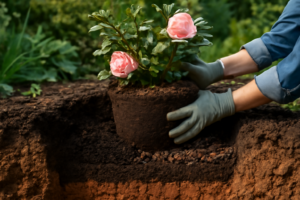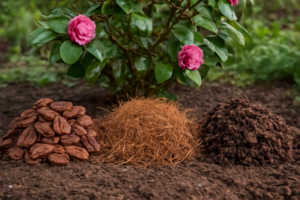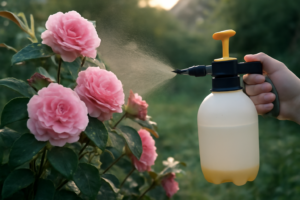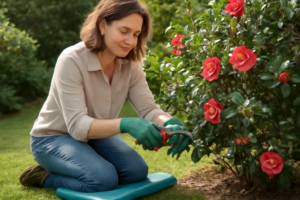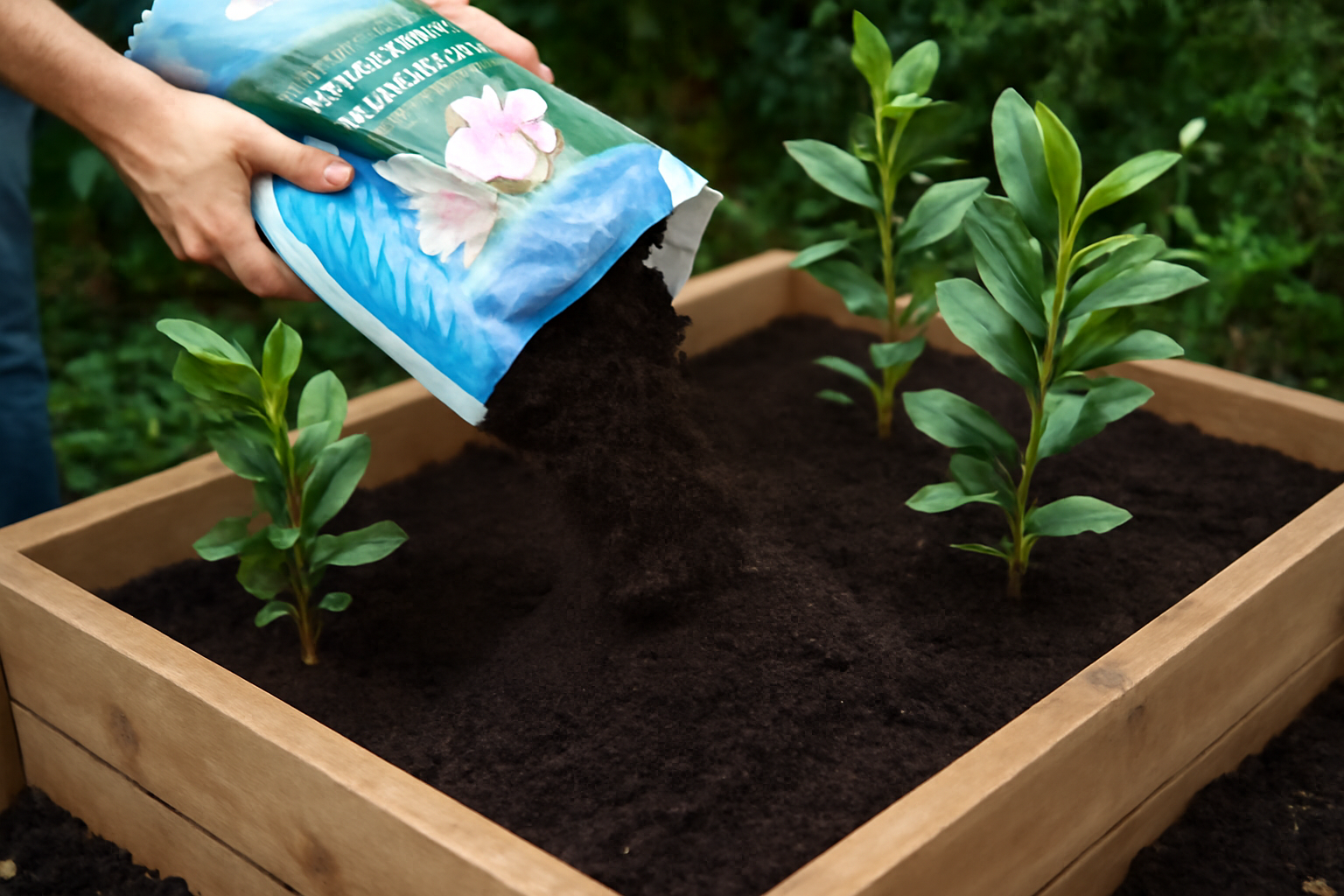
The northeast corner of my raised bed setup — the one tucked against the old brick wall where my ‘Kanjiro’ Sasanqua has anchored the row for going on eight years — is where I first noticed something was off. Twenty-plus years of growing camellias, and I still got blindsided. The leaves had gone a washed-out yellow-green, nothing like the deep color that corner usually holds. Two established Japonicas nearby were pushing out stunted, pale new growth as well. I ran a soil test right there in the bed and came back with a 6.9 pH reading — nowhere close to the 5.5 to 6.5 window camellias need to actually pull nutrients from the soil. Standing there staring at that number, I knew I couldn’t wait this one out. That’s what sent me digging for a proper azalea camellia potting mix that could pull things back into balance.
My garden sits in USDA Zone 7b, in the Pacific Northwest, and that particular bed catches morning sun with shade rolling in by afternoon — about as close to textbook camellia conditions as you can ask for, which is exactly why the pH swing caught me off guard. The real culprit turned out to be my own habit: I’d been top-dressing with a generic, all-purpose compost that was gradually nudging the pH upward without my noticing. Three seasons of that routine, and the drift had finally caught up with me.
Sprinkling on some sulfur and crossing my fingers wasn’t going to cut it this time. What I actually needed was a dependable, purpose-formulated growing medium — something I could use both as a top dressing in that bed and to repot a few container plants that had grown badly root-bound. So I spent a stretch of evenings combing through product reviews, comparing ingredient lists, and picking the brains of fellow growers in a couple of camellia forums I’ve followed for years.
The Mix That Actually Pulled My Soil Back Into Camellia-Friendly Territory
Once you’re looking at a 6.9 reading and foliage that’s clearly unhappy about it, hoping for a spontaneous fix isn’t a strategy. I needed something that would actively push the pH downward rather than simply hold steady — and it had to be something I could work into my existing raised beds without tearing everything out and rebuilding.
Where it delivered
- Within six weeks of blending it into the top six inches of soil, the sulfur content had already dropped my reading from 6.9 to 6.1 — a change my meter confirmed well before I ever saw a difference in the leaves.
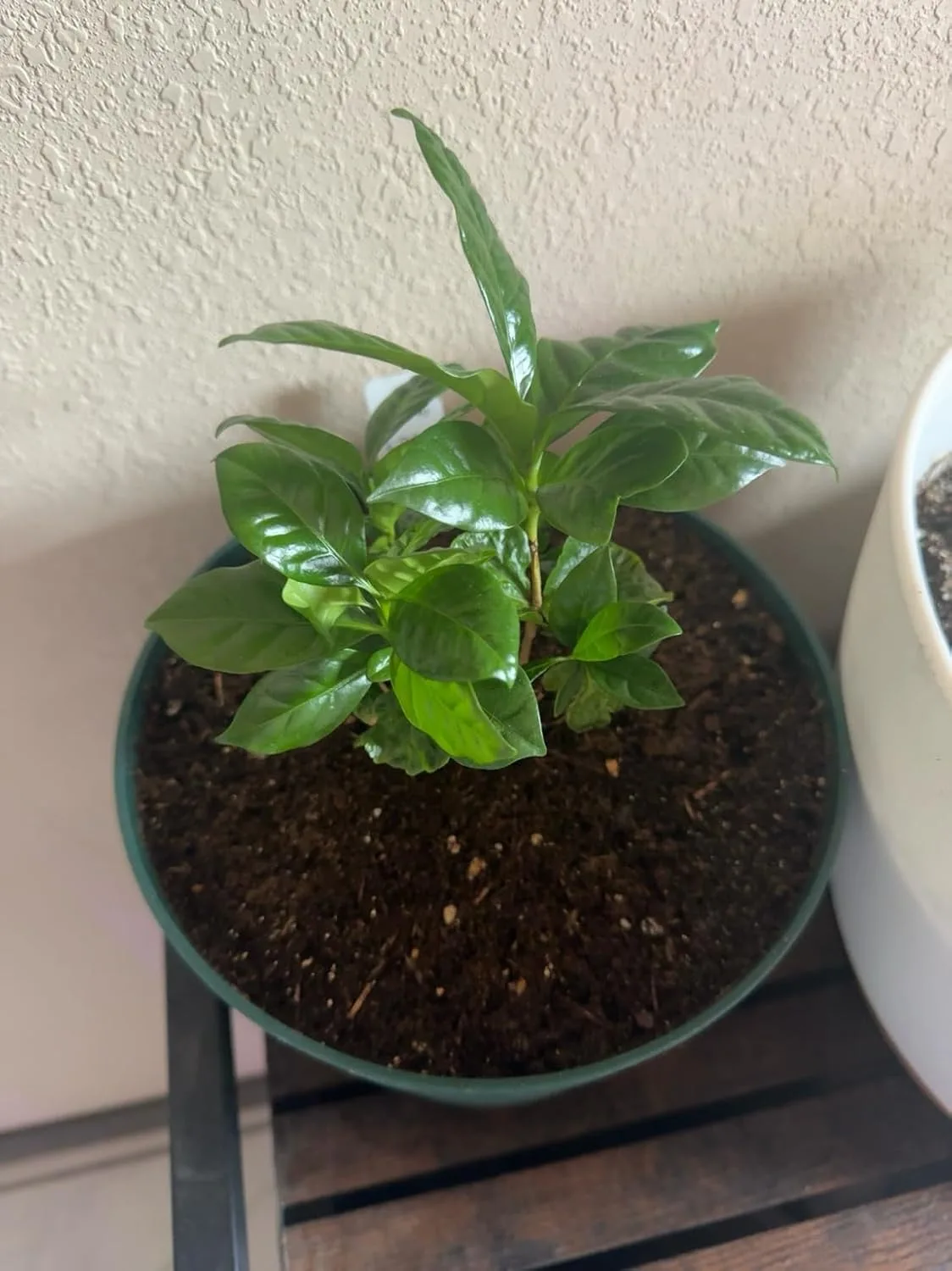
- My ‘Kanjiro’ pushed out new growth in a rich, saturated green rather than that faded, stunted look, and the turnaround was quicker than I anticipated — roughly three weeks after the first treatment.
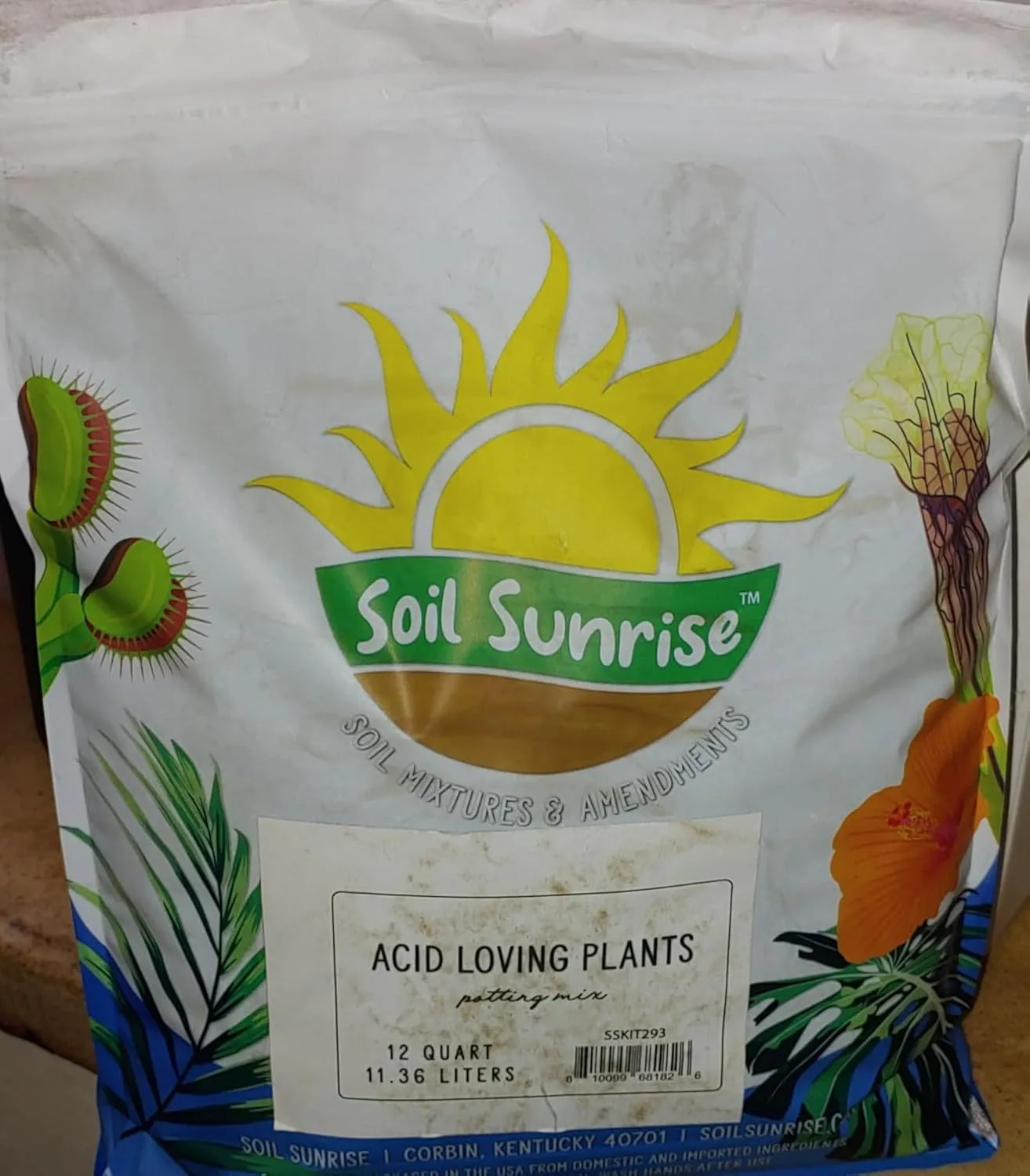
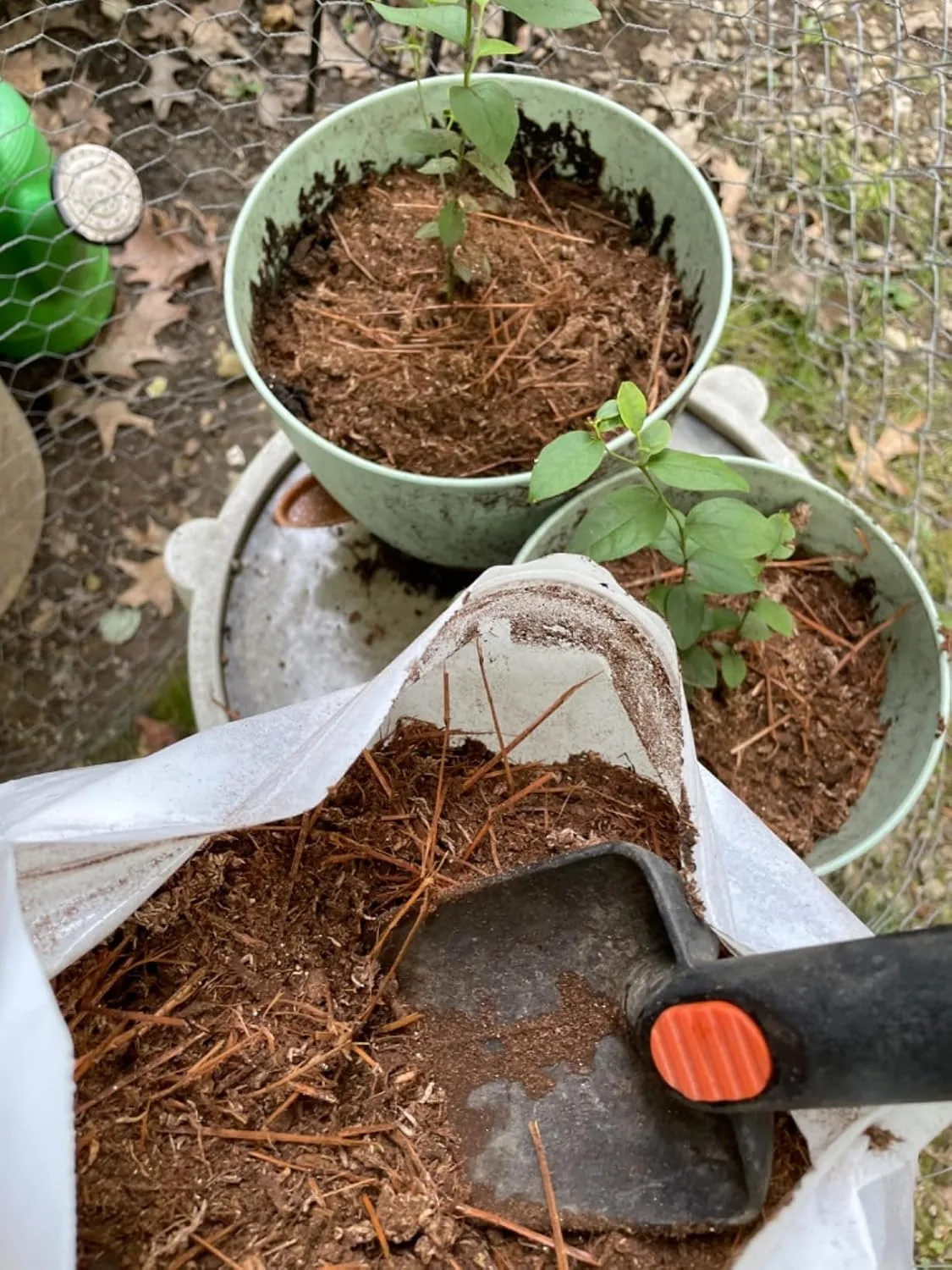
- Going with the larger 12-quart option let me cover several beds at once instead of stockpiling five smaller bags, and the granules blended smoothly into my soil without clumping or settling in patches.
Where it fell short
- This isn’t an instant fix, and I learned that the hard way — my first pass, I applied too heavily and swung the pH too far down, to 5.3, which meant going back and buffering it back up afterward.
- Opening and mixing it kicks up a fair amount of dust, so plan on gloves and a mask, and if your soil leans clay-heavy the way mine does, expect to work it in more thoroughly than the packaging recommends to get consistent coverage.
I’ll admit I second-guessed myself halfway through that first month — new growth was healthier, but my meter still read 6.5, and I wondered if I’d wasted the money. Soil Sunrise Acid Loving Plant Potting Soil Mix (12 Quarts) proved me wrong once those six weeks were complete.
About This Article

Written by Helen Pritchard. Helen Pritchard is a lifelong gardener in the Pacific Northwest who has grown more than 200 named camellia cultivars over two decades. She writes practical, experience-based guides to camellia care, from variety selection and pruning to troubleshooting yellowing leaves and bud drop. More about this site.
Verify this against a primary source
Specifics change, and your situation may differ from the one described here. These are the authorities worth checking directly:
- American Camellia Society — cultivar registration and culture guides
- USDA Plant Hardiness Zone Map — zone verification for your location
- Royal Horticultural Society — camellia cultivation and pest guidance