
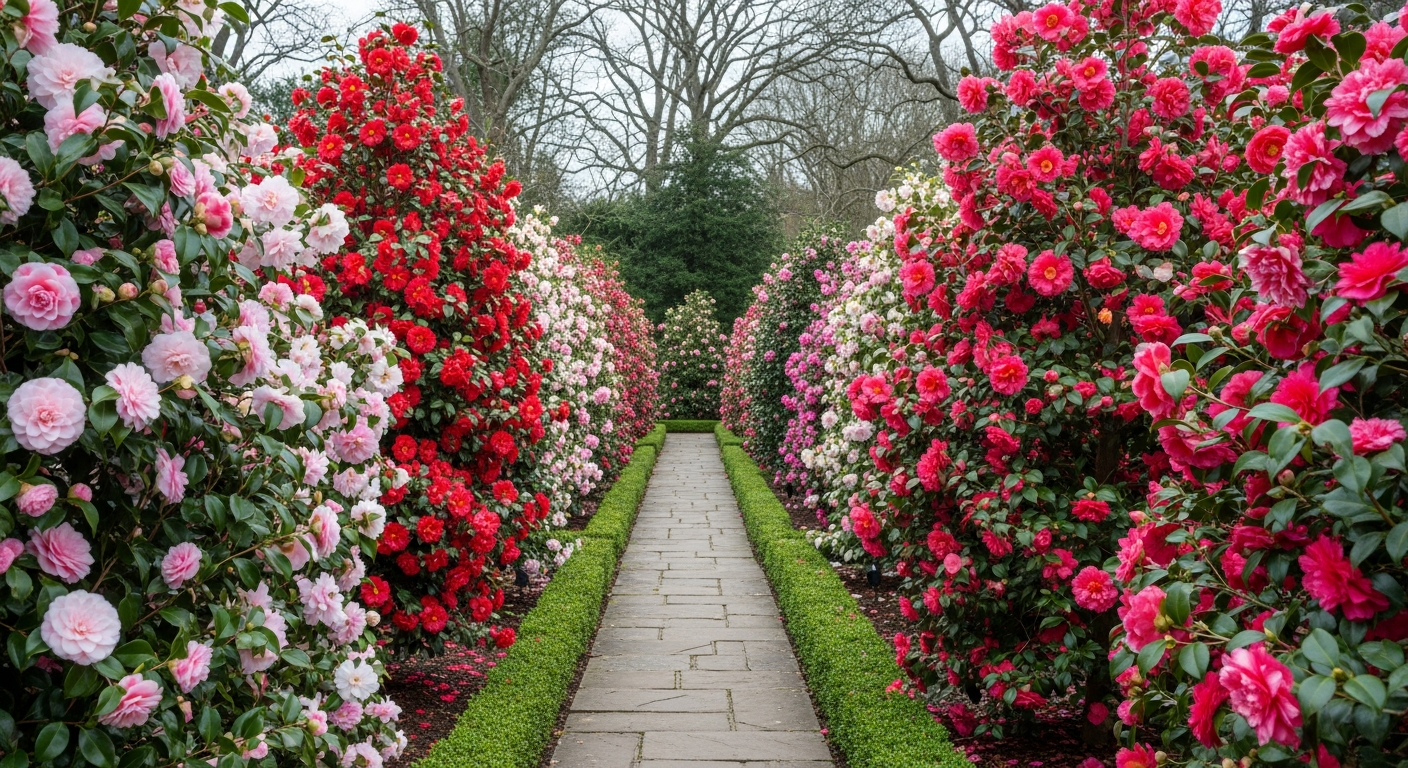
Extend Your Camellia Season: Varieties for Continuous Blooms
Camellias are a favorite among gardeners for their stunning flowers and glossy leaves. By selecting the right varieties, you can enjoy blooms throughout the year. This guide will help you choose camellias that provide continuous color from early fall to late spring.
What I Recommend
If you’re serious about succession planting and keeping your camellia garden looking its best through the entire season, you’ll want to stay on top of pruning at just the right moments. I’ve been using quality bypass pruning shears for years to deadhead spent blooms and shape my plants without crushing the stems—it makes all the difference in encouraging new growth and flowers on schedule.
Camellia soil chemistry is everything when you’re trying to maximize bloom production across multiple varieties, and I never plant a new camellia without checking my pH first. A reliable soil pH meter takes the guesswork out of whether your planting site is acidic enough for these beauties to truly thrive and produce those continuous blooms we’re after.
To keep my succession of camellias consistently fed through their overlapping bloom cycles, I’ve settled on Holly Tone fertilizer as my go-to choice—it’s specifically formulated for acid-loving plants and gives them the nutrients they need without burning the foliage or interfering with flower development.
Pine bark mulch is my secret weapon for maintaining the cool, moist root environment that camellias absolutely demand, especially when you’re pushing them to bloom across an extended season. I refresh my mulch layer annually with quality pine bark mulch, and it keeps my plants happy while naturally maintaining that slightly acidic soil they love.
Early Blooming Camellias
Start your camellia season with early bloomers, which often begin flowering in the fall. Source The Sasanqua camellias are excellent for this period. Varieties like ‘Yuletide’ and ‘Sparkling Burgundy’ are known for their vibrant colors and early blooms. These camellias typically start blooming in October and can last until December .
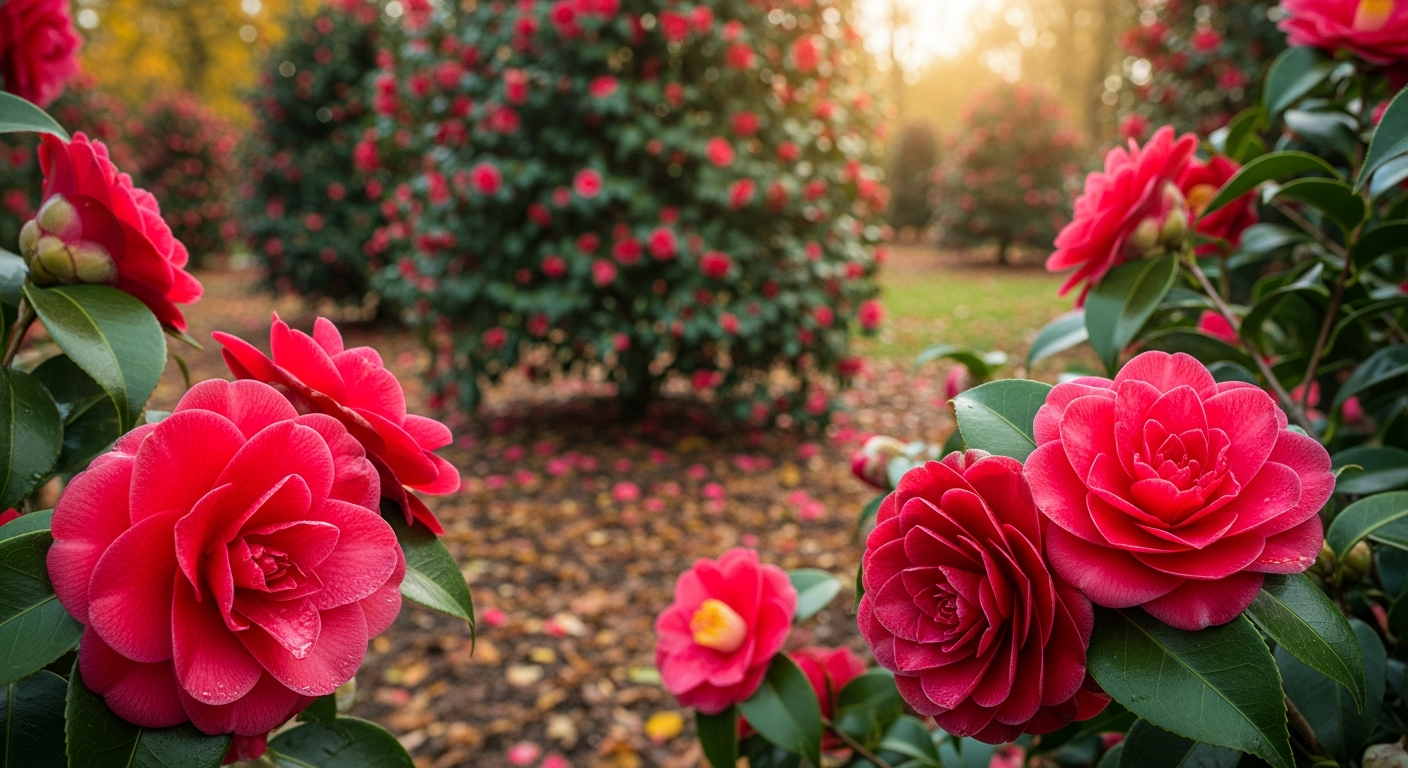
In addition to their early flowering, Sasanqua camellias are versatile. They can be used as hedges, ground covers, or container plants. Their adaptability makes them a popular choice for gardeners looking to extend their bloom season.
Mid-Season Camellias
As the early bloomers fade, mid-season camellias take center stage. The Japonica varieties often dominate this period. ‘Elegans Champagne’ and ‘Pink Perfection’ are popular choices for January through March. These camellias thrive in filtered sunlight, which helps them produce abundant blooms.
The flowers of mid-season camellias come in various shapes and sizes. Some have single, delicate petals, while others boast dense, peony-like blooms. This diversity allows for creative landscaping and garden design. Additionally, mid-season camellias are known for their hardiness, making them suitable for a range of climates.
Late Blooming Camellias
To ensure your garden remains colorful into late spring, consider planting late-blooming camellias. Varieties like ‘Spring Festival’ and ‘Kramer’s Supreme’ are ideal for April through May. These camellias extend the flowering season and provide a seamless transition into summer.
Beyond merely extending the blooming season, late-flowering camellias offer a spectacular display that can revitalize a garden, providing a dramatic flourish when many other plants are beginning to wane.
The Visual Spectacle of Late Camellias
These exceptional varieties command attention with their dazzling colors and substantial forms. Imagine intense crimson blooms, delicate shell pinks, pristine whites, or captivating variegated patterns – all bursting forth with remarkable clarity. Their blossoms are often notably large, frequently boasting intricate structures that elevate their beauty:
- Peony-form: Featuring numerous petals, creating a lush, full, and often somewhat informal appearance.
- Formal Double: Characterized by perfectly imbricated (overlapping) rows of petals, forming a symmetrical and elegant bloom.
- Anemone-form: Showcasing a central dome of petaloids (small, petal-like structures) surrounded by one or more rows of larger, flatter outer petals.
- Semi-Double: Presenting prominent stamens at the center, surrounded by two or more rows of petals, offering a classic and often understated charm.
These impressive blooms, emerging when earlier spring flowers are fading, create an undeniable visual impact. A single specimen can become a breathtaking focal point, its vibrant hues contrasting beautifully with the softening greens of late spring, or its pristine white petals glowing luminously in dappled light.
Strategic Placement: Elevating Garden Design
The striking presence of late-blooming camellias makes them invaluable for thoughtful garden placement:
- Commanding Focal Points: Their remarkable size, vibrant color, and distinct bloom period make them ideal specimen plants. Position them strategically at the end of a path, beside an entryway, or within a mixed border to draw the eye and anchor a garden vista. Their dense, evergreen foliage provides year-round structure, ensuring the focal point remains visually compelling even when not in flower.
- Illuminating Shaded Sanctuaries: Many late-season camellias are perfectly adapted to partial or even full shade, making them exceptional choices for brightening often-overlooked garden areas. Their luminous blooms can transform a drab, green corner into a vibrant oasis, reflecting light and adding a much-needed splash of color where other flowering plants might struggle. Consider them for:
- Woodland gardens
- Under the canopy of deciduous trees
- Along north-facing walls or fences
Harmonious Companions: Weaving a Tapestry of Continuous Interest
One of the most significant advantages of late-blooming camellias is their ability to act as a crucial bridge, seamlessly transitioning the garden’s display from early spring to early summer. They pick up the baton just as early bulbs like daffodils and tulips are winding down, ensuring there’s no lull in visual appeal before summer annuals and perennials reach their peak.
- Extending the Garden’s Narrative: These camellias provide continuous garden interest, ensuring your landscape remains captivating throughout the changing seasons. Their robust presence offers structure and evergreen beauty even when not in bloom, serving as a lush backdrop for other plants.
- Ideal Plant Pairings: For a truly dynamic and layered garden, consider pairing late camellias with:
- Late-season Azaleas and Rhododendrons: Complementary acid-loving shrubs that can extend the bloom period with their own vibrant flowers.
- Emerging Hostas: Their broad, often variegated leaves provide a stunning textural contrast to the camellia’s glossy foliage.
- Ferns: Delicate fronds add fine texture and an airy feel beneath the camellia’s more substantial form.
- Bleeding Hearts (Dicentra spectabilis): Their unique heart-shaped flowers can offer a charming counterpoint.
- Foamflower (Tiarella cordifolia): Provides delicate texture and foamy white blooms at the camellia’s base.
- Japanese Maples (Acer palmatum): Their finely dissected leaves and varied colors create an exquisite textural and color harmony.
This thoughtful layering creates a dynamic and ever-evolving landscape, inviting prolonged admiration and ensuring your garden offers beauty and intrigue well into the warmer months.
Planning for Continuous Bloom
For a camellia garden that delights throughout fall, winter, and spring, strategic planning is key. First, assess your garden’s conditions, such as light and soil type. This knowledge will guide your variety selection.
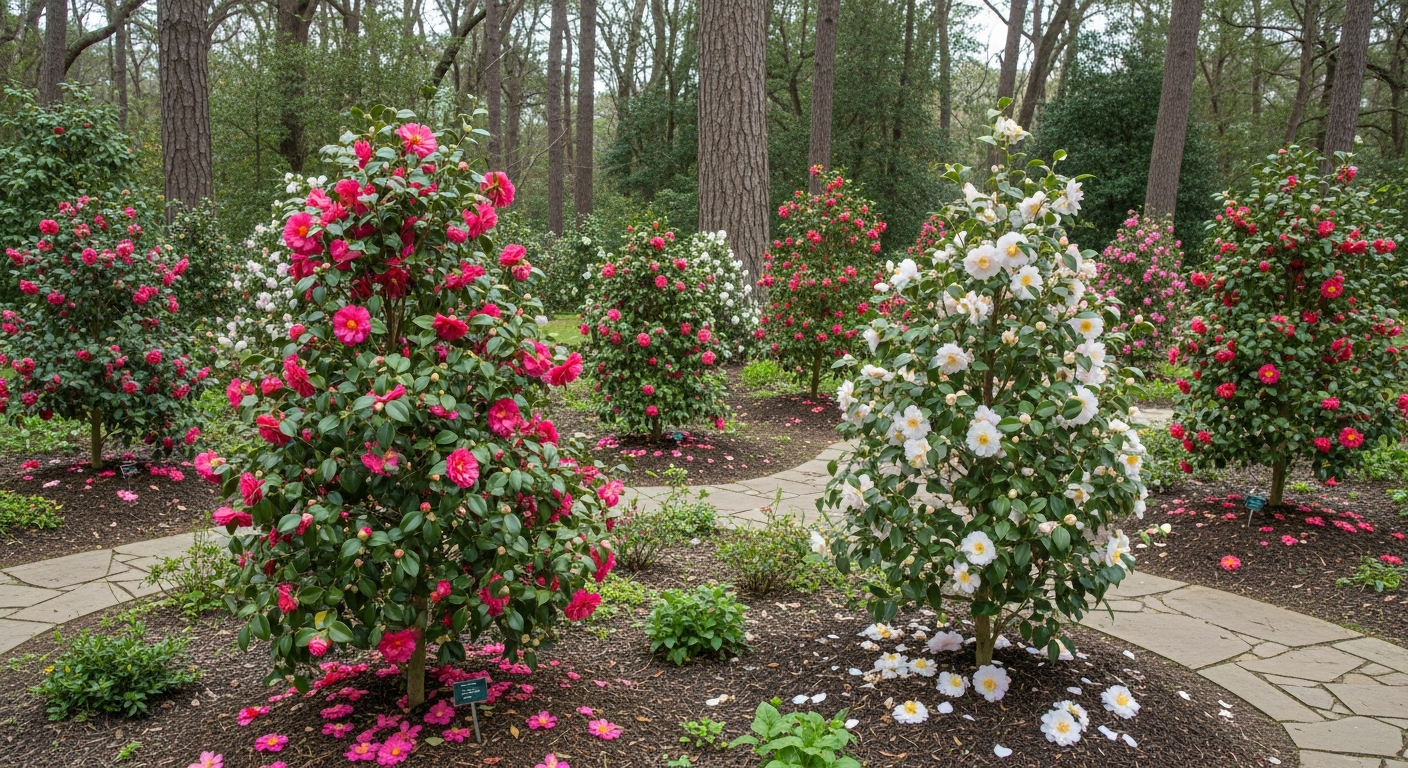
Next, create a planting schedule based on bloom times. By staggering the planting of different varieties, you can ensure that as one camellia’s blooms fade, another is ready to take its place. This approach not only extends the blooming period but also enhances the garden’s visual appeal.
Optimizing the health and bloom potential of your camellias hinges on a thoughtful and consistent maintenance routine. Moving beyond the basics, understanding the nuances of care can truly transform your plants.
The Art of Pruning Camellias for Peak Performance
Pruning isn’t just about tidying up; it’s a critical horticultural practice that dictates the plant’s shape, size, and most importantly, its flowering capacity.
- Timing is Everything: The golden rule for camellias is to prune immediately after they finish flowering and before new growth flushes out in late spring. Pruning too late can remove the embryonic flower buds for the following season, which form on old wood.
- Why We Prune:
- Shape and Structure: Maintain a desirable form, whether a compact shrub or a small tree.
- Air Circulation: Thinning out dense branches improves airflow, which is crucial for preventing fungal diseases like petal blight.
- Remove Dead or Damaged Wood: Always cut out any diseased, dead, or crossing branches to promote overall plant vigor.
- Encourage Bushiness: Heading back certain branches can stimulate lateral growth, leading to a fuller plant.
- Rejuvenation: For older, overgrown plants, a more significant renewal prune can breathe new life, though this should be done gradually over a couple of seasons.
- Key Techniques: Use sharp, clean pruners or loppers. Make clean cuts just above an outward-facing bud or branch junction. Focus on thinning cuts to open up the canopy and heading cuts to reduce branch length and encourage branching.
Mastering the Watering Regimen for Lush Blooms
Consistent and appropriate watering is non-negotiable for camellias, which prefer a steadily moist, but never waterlogged, soil environment.
- Consistent Hydration is Key: Camellias require consistent moisture, especially during dry spells and crucial periods like bud formation (late summer through fall). Inconsistent watering can lead to bud drop or poor flower development.
- Deep, Infrequent Watering: Rather than frequent shallow sprinkles, aim for deep watering that saturates the root zone. This encourages roots to grow deeper, making the plant more resilient. Allow the top inch or two of soil to dry out slightly between waterings to prevent root rot.
- The Importance of Drainage: Camellias absolutely despise “wet feet.” Ensure your soil or potting mix provides excellent drainage. If planting in heavy clay, amend the soil generously with organic matter or consider raised beds.
- Mulching: Your Camellia’s Best Friend: A 2-3 inch layer of organic mulch (like pine bark, pine needles, or shredded leaves) around the base of the plant is incredibly beneficial. It helps retain soil moisture, suppresses weeds, and moderates soil temperature, creating an ideal environment for camellia roots.
Nourishing Your Camellias: A Guide to Feeding
Proper nutrition supports robust growth and the energy-intensive process of producing abundant, vibrant blooms.
- Choosing the Right Fuel: Camellias are acid-loving plants, thriving in a soil pH between 5.5 and 6.5. Opt for fertilizers specifically formulated for acid-loving plants (e.g., azalea, rhododendron, camellia food) or those with a higher nitrogen content to encourage foliage growth early in the season, followed by balanced fertilizers for bloom production.
- When and How Much to Feed:
- The best time to fertilize is after flowering (late spring) and again in early summer. Avoid fertilizing in late summer or fall, as this can stimulate tender new growth vulnerable to winter damage.
- Always follow the manufacturer’s instructions carefully. Over-fertilizing can burn roots and do more harm than good.
- Soil Health Beyond Fertilizers: Regular incorporation of organic matter like compost or well-rotted manure into the soil improves its structure, water retention, and provides a slow release of nutrients, fostering a healthy microbial environment that benefits camellias long-term.
Tailoring Care to Each Unique Camellia Variety
While general guidelines apply, recognizing the specific needs of your chosen camellia varieties will unlock their full potential.
- Understanding Varietal Nuances:
- Camellia japonica: Typically larger flowers, often preferring more shade and consistent moisture.
- Camellia sasanqua: Generally more sun-tolerant, often smaller leaves and flowers, and a more open, often weeping habit. They are also typically more drought-tolerant once established.
- Camellia reticulata: Known for their exceptionally large and often ruffled blooms, they can be more particular about conditions, sometimes requiring more shelter and specific soil conditions.
- Sunlight and Shade Preferences: While most camellias appreciate partial shade (especially protection from intense afternoon sun), some sasanqua varieties can tolerate more direct sun, provided they receive adequate moisture. Intense sun can scorch leaves and fade flower color.
- Cold Hardiness and Protection: Different species and cultivars have varying degrees of cold hardiness. Know your plant’s limits and, in colder zones, provide winter protection like mulching, burlap wraps, or planting in sheltered locations away from harsh winds.
- Vigilance Against Pests and Diseases: Regularly inspect your plants for common issues like scale insects (often found on undersides of leaves or stems), aphids, or fungal problems like petal blight (which causes brown spots on petals). Early detection and intervention are key to managing these challenges effectively.
Conclusion
By choosing the right camellia varieties and planning thoughtfully, you can enjoy a garden full of blooms from fall to late spring. Source Early, mid, and late-blooming camellias each play a vital role in this extended floral display. With proper care and selection, your garden will be a colorful sanctuary throughout the cooler months .
As an Amazon Associate, we earn from qualifying purchases.