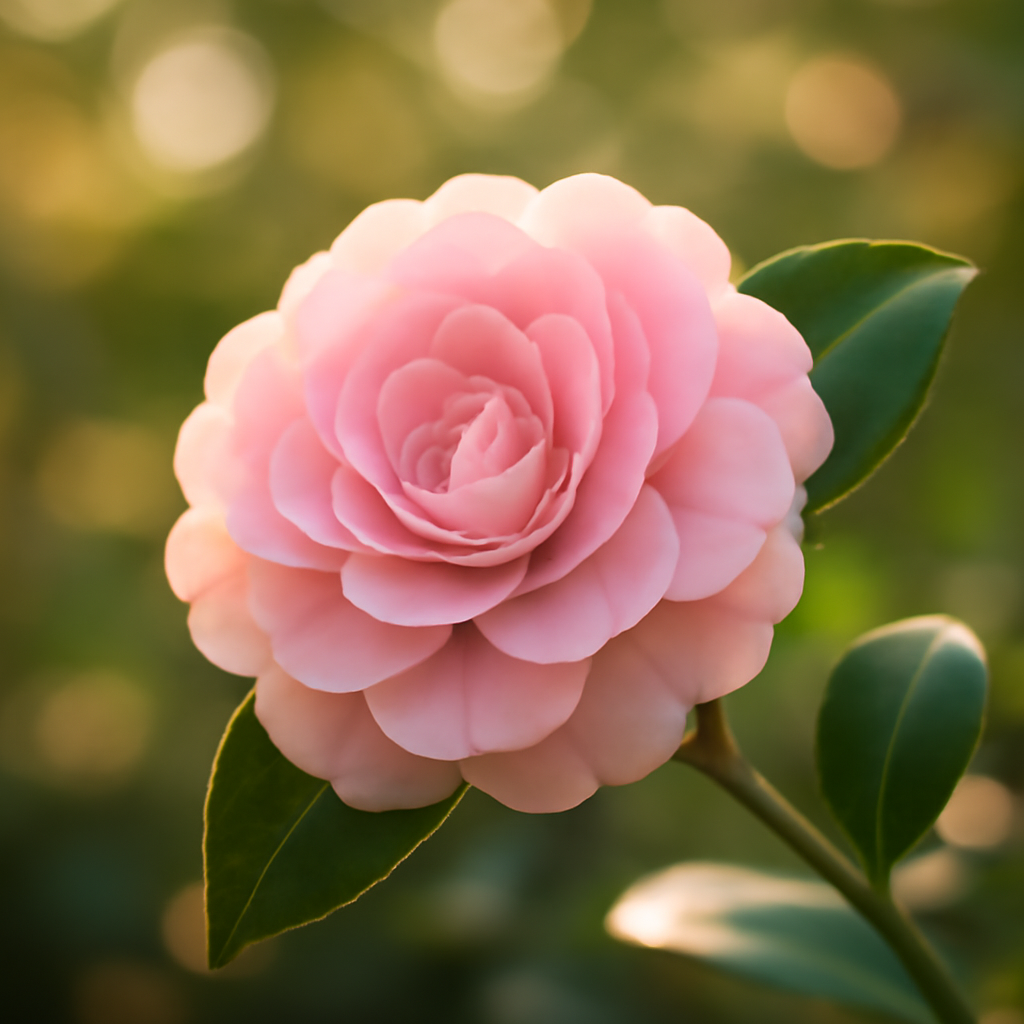
Proper camellia maintenance is essential for keeping your camellias healthy and blooming year-round. This comprehensive guide to camellia maintenance covers everything from pruning and fertilizing to seasonal care, ensuring your plants thrive for decades. Whether you’re maintaining young plants or established camellias, understanding these camellia maintenance fundamentals will help you achieve beautiful, healthy blooms.
The Pruners That Finally Let Me Shape Without Crushing Stems
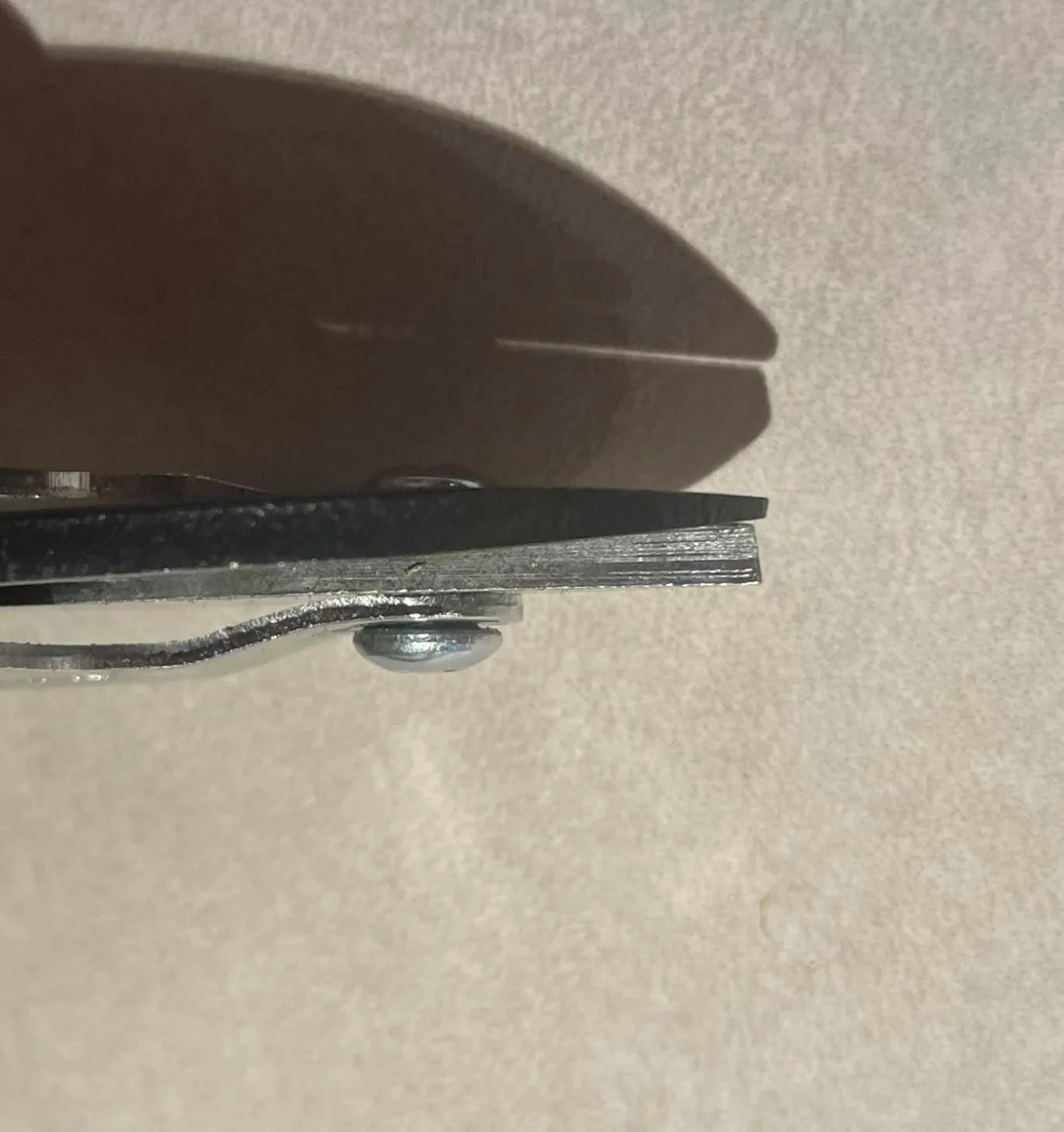
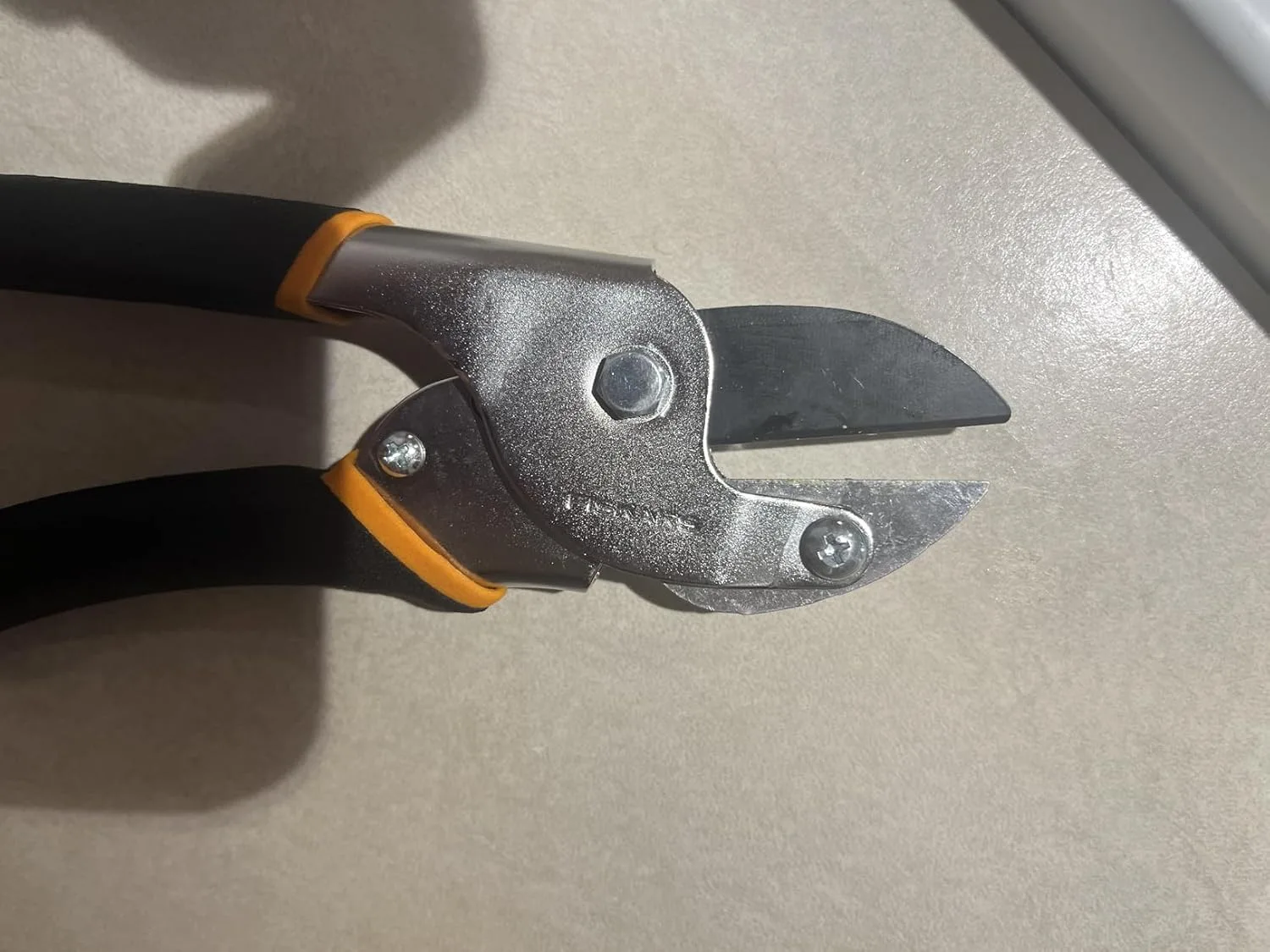
Camellia stems are deceptively brittle—I spent years fighting with dull pruners that crushed rather than cut, leaving ragged wounds that invited disease. A sharp, precise pair of hand pruners transforms pruning from a frustrating chore into something you can actually control.
What works
- Clean cuts heal noticeably faster—I stopped seeing the brown, dried-out edges that used to haunt my pruning wounds within days.
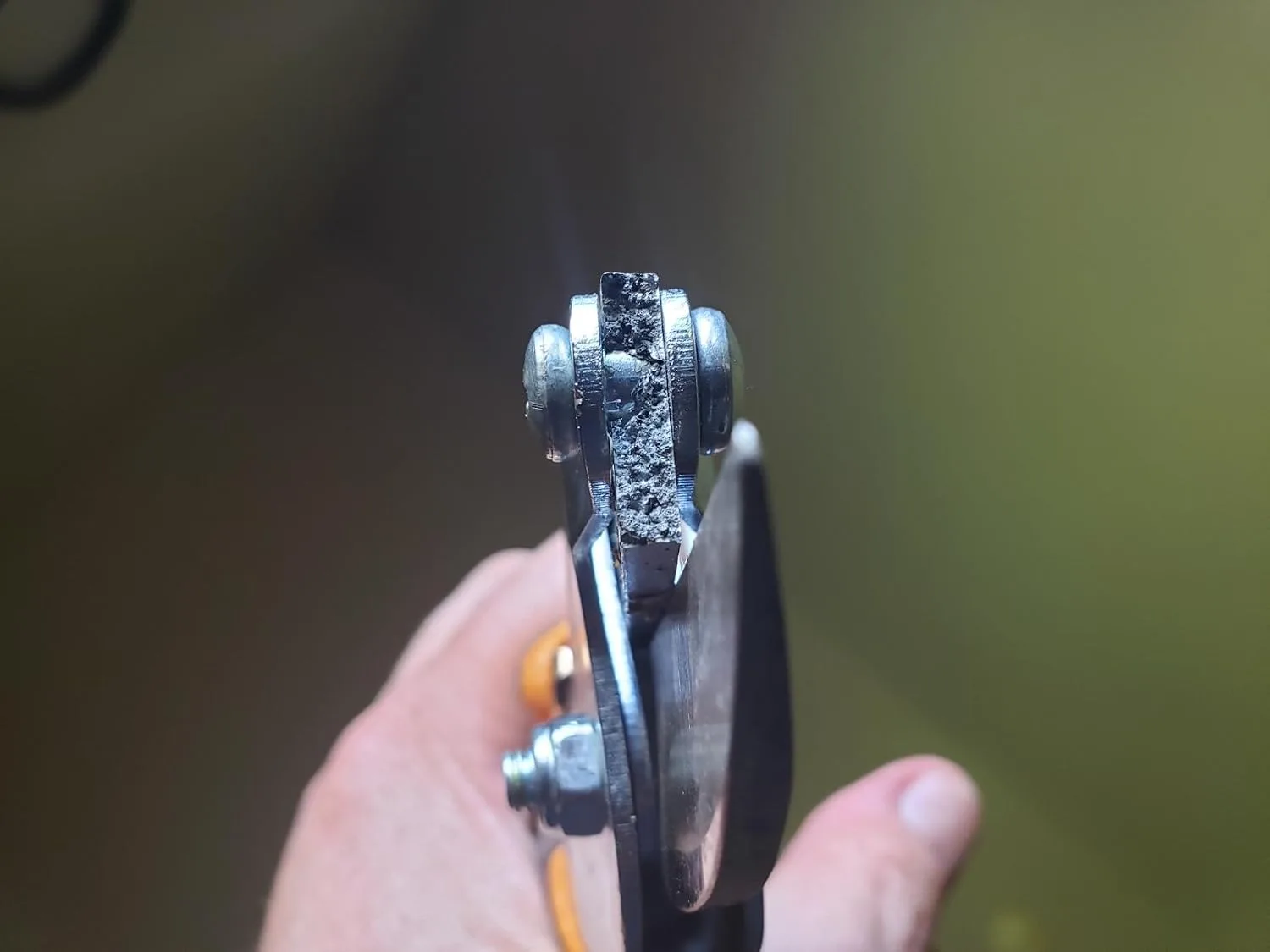
- The bypass blade design lets you get into tight growth without accidentally snapping side branches, which matters when you’re shaping dense camellia wood.
- They stay sharp through an entire season of heavy use without needing replacement, and the ergonomics mean my hand doesn’t cramp during longer pruning sessions.
What doesn’t
- They’ll dull if you use them on anything woody thicker than about half an inch—you’ll need loppers for the real thick stuff, which these aren’t designed for.
- The locking mechanism is a bit finicky and doesn’t always stay locked if you’re tossing them in and out of a tool bag repeatedly.
I almost gave up on them after the first week when the blade felt slightly sticky, but a quick clean with rubbing alcohol solved it completely. If you’re serious about pruning camellias cleanly, these are worth the investment—grab a pair of hand pruners.
Understanding Camellia Pruning Fundamentals
Pruning isn’t just about shaping—it’s about encouraging air circulation, removing diseased wood, and directing energy toward flowering. The timing matters enormously with camellias. Most varieties bloom in fall and winter, so you’ll want to do your heaviest pruning right after flowering ends, typically in late winter or early spring. This gives the plant the entire growing season to develop new branches that will bear next season’s buds.
Start by removing any dead, diseased, or crossing branches. These are always safe cuts and improve plant health immediately. Then look for branches growing inward or creating dense tangles where air can’t circulate—camellias are prone to fungal issues when humidity gets trapped inside the canopy. Thin selectively rather than hacking away indiscriminately. A good rule is that you should be able to see light filtering through the interior of a mature camellia.
When you do make a cut, angle it slightly away from the nearest bud or leaf node. Never leave a stub sticking out—it’ll die back and create an entry point for disease. Cut as close to the base as possible without damaging the bud itself. And always sterilize your pruners between plants with a quick wipe of rubbing alcohol or a 10-percent bleach solution. I learned this the hard way after spreading camellia petal blight between specimens.
Fertilizing for Sustained Blooms
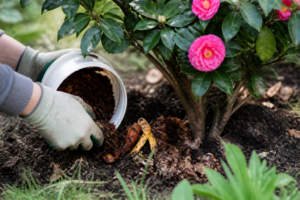
Camellias aren’t heavy feeders, but they do benefit from thoughtful nutrition. They prefer slightly acidic soil—ideally between 5.5 and 6.5 pH—so a camellia-specific fertilizer or one formulated for acid-loving plants works best. I apply fertilizer in early spring just as new growth emerges, and then again in early summer after the first flush of growth. Never fertilize in fall or winter; you’ll trigger tender new growth that frost will damage.
Watch for signs of nutrient deficiency. Yellowing leaves with green veins usually indicate iron deficiency (chlorosis), common in alkaline soils. Pale overall yellowing might signal nitrogen shortage. A slow-release granular fertilizer saves time and prevents the feast-or-famine cycle that liquid feeding can create. Scratch it lightly into the soil surface around the drip line, water well, and let it do its work over months.
Seasonal Care Year-Round
Spring brings new growth and is the best time for pruning and fertilizing. Summer requires consistent moisture—camellias have shallow roots and dry out quickly in heat. Mulch heavily with 2-3 inches of pine needles or shredded leaves to keep roots cool and moist. Fall is when you should stop fertilizing and reduce water slightly to encourage flower bud set. Winter is mostly observation; water during dry spells, but otherwise let the plant rest.
Regular attention to these fundamentals—clean pruning, appropriate feeding, and seasonal awareness—keeps camellias vigorous for decades. It’s rewarding work that pays dividends in blooms.
This post contains affiliate links. As an Amazon Associate, I earn from qualifying purchases at no extra cost to you.