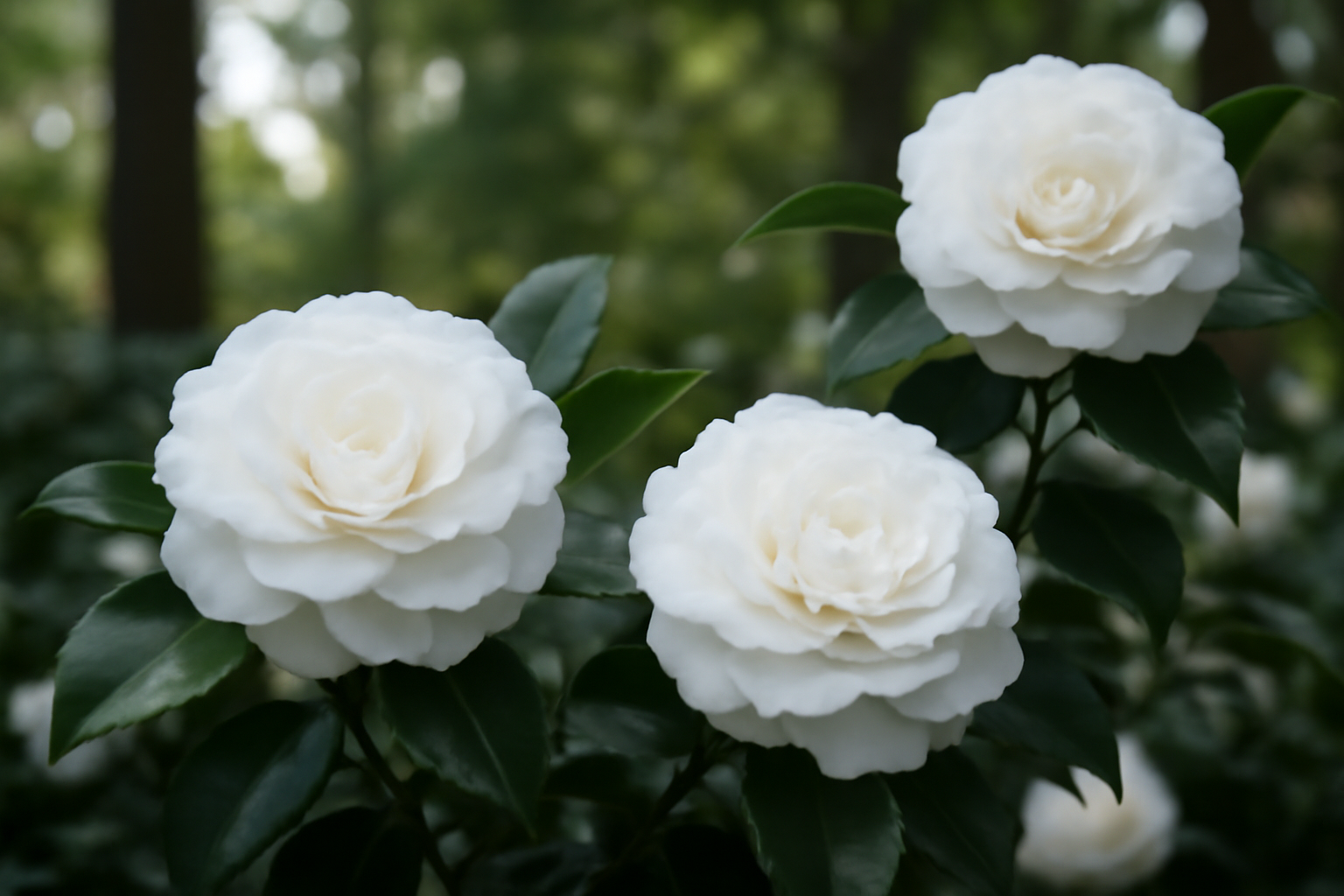
Ask a nursery employee about white flowers in a shade bed and you’ll often hear one of two things: either “white just disappears in a dim corner, go bold instead,” or “white is hands-down the best color for shady spots.” The first piece of advice is flat wrong, and I can prove it every February. I step outside into the cold, coffee in hand, past foliage that’s gone dark and dormant everywhere else — and there they are, white camellia blooms lit up like little lanterns against the gloom. Nothing else in the garden pulls off that particular trick, and nothing comes close to trying.
I’ve spent more than two decades growing camellias across three different growing zones in the Pacific Northwest, and somewhere along the way, I trialed dozens of white-flowered cultivars just to see which ones earned their keep. A handful were disappointments not worth the bed space. A few stopped the show entirely. And a small core group became so essential to my garden that I’d replace them within a week if I ever lost them. What follows is the guide I wish someone had handed me back when I started.
What White Camellias Bring to a Shady Bed
Shade gardens can start to feel oppressive. Dark leaves stack on top of dark mulch, and pretty soon the whole bed reads like a hole that’s swallowing whatever light reaches it. White-blooming camellias fix that on their own. They kick light back into the dimmest corners and set up contrast that makes every neighboring plant look sharper by comparison.
There’s more to it than brightness, too — white blooms simply play well with others. They sit comfortably beside the blue-green tones of hostas, the deep burgundy of heucheras, and the acid-yellow flash of Japanese forest grass. I’ve watched a single, well-positioned white camellia change the entire mood of a shaded bed all on its own.
Still, no two white camellias behave alike. Bloom season, flower shape, cold tolerance, and mature size all shift dramatically depending on species and cultivar. Matching the plant to your actual conditions counts for far more than falling for whichever flower looks prettiest in a nursery photo tag.
The Three Species Groups You Need to Know
Before getting into named cultivars, it’s worth understanding the three species groups behind most of them. Each one behaves differently once it’s in the ground, and picking the right species for your climate and site is the single most important decision you’ll make.
Camellia japonica
This is the traditional camellia — the image most people already have in their heads. Japonicas flower from late winter into spring, generally somewhere between January and April depending on your zone. They want part to full shade and don’t tolerate strong afternoon sun, which scorches their glossy leaves.
White-flowered japonicas typically produce large, formal blooms that hold their shape on the bush for an impressively long time. The tradeoff is that of the three groups, they’re the most vulnerable to frost while flowering. One surprise late freeze can turn open blossoms brown overnight. That’s not a reason to avoid them — just something to factor into your planning.
Camellia sasanqua
Sasanquas do the heavy lifting in the camellia world. They flower in fall, usually October through December, and tend to be tougher, more sun-tolerant, and quicker-growing than japonicas. Gardeners in zones 7b through 9 often find these the more dependable pick.
White sasanquas generally offer smaller single or semi-double blooms with a pleasant sweet scent. Their petals shed cleanly instead of collapsing into a brown mush on the ground — a detail you don’t fully appreciate until you’ve cleaned up after a japonica’s spent flowers during a wet spring.
Camellia reticulata
Of the three groups, reticulatas turn out the showiest blooms by far — massive flowers, occasionally rivaling a dinner plate in size. They’re noticeably less cold-tolerant, best suited to zone 8b and warmer, and they take their time settling in. Truly white reticulatas are uncommon, and they’re worth hunting down if your climate can support them.
The White Japonica Cultivars I Keep Coming Back To
Time to get specific — vague suggestions don’t help anyone standing in a nursery aisle trying to make an actual choice.
‘White by the Gate’
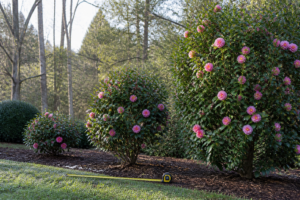
This cultivar has held the same spot in my zone 8a garden for eleven years running. It throws large, formal double blooms in a pure, almost glowing white. Flowers show up reliably every February here, and the shrub hasn’t shown a bit of cold damage despite a couple of hard freezes along the way. It now stands roughly eight feet tall and six feet across, so plan for that footprint from day one.
‘Nuccio’s Gem’
This is likely the white japonica I point people toward most. The formal double flowers come out perfectly symmetrical, a crisp clean white, and they keep their shape on the bush remarkably well. Bloom time falls mid-season — usually February into March in zone 8 — and the plant grows vigorously and reliably.
From what I’ve seen, it’s also one of the top choices if you want cut flowers indoors. The blooms hold up well in a vase, which plenty of camellias simply don’t manage. Anyone growing as much for the house as the garden should make ‘Nuccio’s Gem’ their first pick.
‘White Empress’
‘White Empress’ takes a different approach — a semi-double flower with a bold cluster of golden stamens right at the center. That flash of yellow against white is genuinely striking. It flowers early to mid-season and grows in a naturally upright form that suits walls and fence lines particularly well.
‘Hagoromo’ (also sold as ‘Magnoliiflora’)
This is an heirloom Japanese cultivar with a softer, quieter kind of beauty. The semi-double blooms are technically blush-pink, but they read as white once they’re out in the garden. The shrub itself carries a graceful, slightly weeping shape. For a naturalistic, shaded woodland setting, there’s nothing better.
White Sasanquas That Earn a Spot in the Garden
Sasanquas are hard to top for autumn color and low fuss overall. These are the white-flowered cultivars I plant over and over again.
‘Setsugekka’
‘Setsugekka’ is, without question, my favorite white sasanqua. The large, ruffled semi-double flowers have a slightly frilled edge that catches sunlight beautifully. It’s fragrant, grows vigorously, and shrugs off more sun than most camellias will tolerate. Mine sits in a spot with four to five hours of direct morning sun and has never once complained.
Here in zone 8a, it flowers from October through December, right alongside my late roses and autumn-blooming hellebores. That trio — white camellia, pink roses, pale hellebore blooms — is one of the moments I look forward to most every fall.
‘Mine-no-yuki’ (Snow on the Mountain)
‘Mine-no-yuki’ produces cascades of white, peony-form blooms along gently arching branches. Its naturally spreading, somewhat weeping shape makes it a strong candidate for espalier work or training over a low wall. The scent is light and sweet — noticeable without ever becoming heavy.
‘Cleopatra’ White Form
Not every nursery carries the white version specifically, so double-check before you buy. The white ‘Cleopatra’ produces semi-double flowers in a clean, bright white with a slightly casual look. It grows upright and vigorously, and it takes to hedge shaping well if that’s what you’re after.
A pH Mistake That Set Me Back Two Full Years
I have to walk you through my own pH disaster, because it’s the single most common mistake I watch new camellia growers repeat.
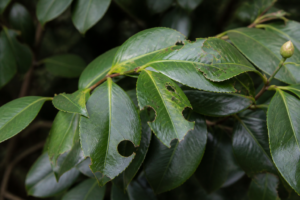
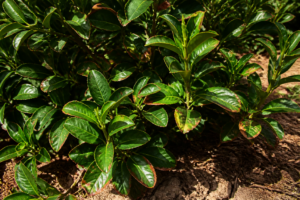
Years back, I put three lovely white japonicas into a bed that had previously grown vegetables — soil heavily amended with compost and, unfortunately, wood ash from a fire pit. Within a year, all three plants were showing textbook chlorosis: yellow leaves laced with dark green veins. They looked awful.
The culprit was pH — mine had crept up to roughly 7.2. Camellias need acidic soil, ideally between 5.5 and 6.5, in order to actually pull iron and other micronutrients out of the ground. Push past that range and the plants go hungry even in soil packed with nutrients. Wood ash is highly alkaline, and without meaning to, I’d effectively poisoned that bed for them.
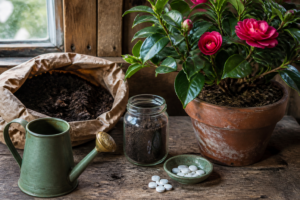
Correcting it took two years of sulphur treatments, pine bark mulch, and acidifying fertilizer before the bed sat back in the right range. Test your soil before anything goes in the ground — a $15 soil test kit will spare you a mountain of frustration. I rely on sulphur granules to bring pH down, and I mulch with pine bark year-round since it acidifies gradually as it decomposes.
Growing White Camellias Successfully: A Few Practical Notes
White petals show environmental stress far more openly than pink or red ones do. A faint brown spot on a red camellia barely registers. That same spot on a white bloom stands out instantly. In other words, white cultivars demand a more attentive grower than any other color group.
Choosing a Site and Managing Light
Most japonicas do best with morning sun and shade in the afternoon — dappled light beneath a high tree canopy is close to ideal. Sasanquas can handle considerably more sun, and some cultivars manage full sun in zones 8 and below, though afternoon shelter helps in the hottest regions.
Steer early-blooming japonicas away from frost pockets. Cold air sinks into low spots, and a single hard freeze hitting open white blooms will brown them within hours. Setting plants on a gentle slope, or near a structure that holds warmth, can genuinely improve how many blooms survive the winter.
Watering and Mulch Habits
Steady moisture matters most during establishment — roughly the first two to three years in the ground. Deep, infrequent watering builds the deep root system that eventually makes camellias so drought-tolerant once mature. During establishment, I soak the ground thoroughly once a week in dry stretches instead of relying on shallow daily sprinkling.
A three-inch layer of pine bark mulch pulls triple duty: it holds in moisture, slowly acidifies the soil beneath it, and suppresses competing weeds. Just keep it a few inches clear of the trunk itself — that gap prevents collar rot, which can quietly kill a plant from the base up without much warning.
Feeding Schedule
I feed my camellias on a twice-a-year schedule — once in early spring once the last blooms have dropped, and again in early summer. My fertilizer of choice is an acid-forming blend made specifically for camellias, azaleas, and rhododendrons. I never feed after midsummer, since late feeding forces tender new growth that won’t have time to harden off before winter cold sets in.
I’ve covered fertilizing schedules and product choices in far more depth in my post on camellia care across the seasons if you want the fuller picture than I have room for here.
Quick Reference: Matching White Camellias to Your Goals
Here’s a condensed rundown of every cultivar covered above, sorted by what gardeners typically want from them.
- Best for cut flowers: ‘Nuccio’s Gem’ (japonica)
- Best for autumn interest: ‘Setsugekka’ (sasanqua)
- Best for fragrance: ‘Mine-no-yuki’ (sasanqua)
- Best for espalier or wall training: ‘Mine-no-yuki’ or ‘White Empress’
- Best for naturalistic woodland gardens: ‘Hagoromo’
- Best for reliable, low-maintenance performance: ‘Setsugekka’ or ‘White by the Gate’
- Best for zone 7b gardeners: Choose a sasanqua over a japonica; ‘Setsugekka’ handles cold especially well
Pick One White Camellia Variety and Start There
About This Article

Written by Helen Pritchard. Helen Pritchard is a lifelong gardener in the Pacific Northwest who has grown more than 200 named camellia cultivars over two decades. She writes practical, experience-based guides to camellia care, from variety selection and pruning to troubleshooting yellowing leaves and bud drop. More about this site.
Verify this against a primary source
Specifics change, and your situation may differ from the one described here. These are the authorities worth checking directly:
- American Camellia Society — cultivar registration and culture guides
- USDA Plant Hardiness Zone Map — zone verification for your location
- Royal Horticultural Society — camellia cultivation and pest guidance