
When gray skies dominate the landscape, the garden can often feel dull. However, a few remarkable plants defy the season, offering brilliant color against the winter backdrop. Camellias stand out as true champions of the cold months. These evergreen shrubs produce stunning flowers when most other plants are dormant. With a little planning, you can enjoy a continuous display of camellia blooms from fall all the way through early spring.
Niwaki Camellia Oil provides natural protection and shine for camellia leaves, helping maintain their glossy appearance while protecting against pests. Niwaki Camellia Oil 100ml.
The secret lies in choosing the right varieties. Different types of camellias bloom at different times. The two main players for winter interest are Camellia sasanqua, which flowers in fall and early winter, and Camellia japonica, which takes over in mid-winter and early spring. By selecting a mix of both, you create a seamless succession of color. This guide will walk you through the best choices month by month.
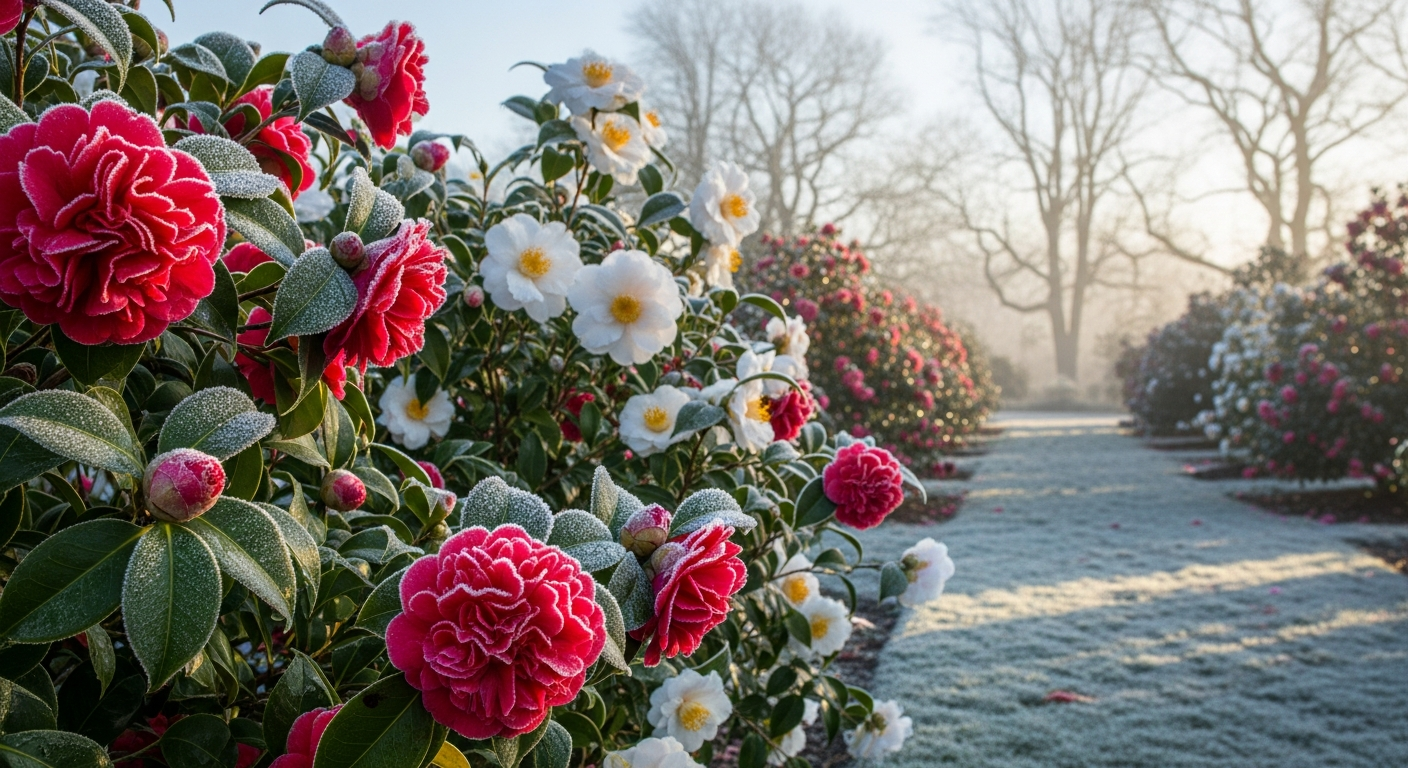
Late Fall Blooms: October and November
As autumn leaves begin to fall, the first camellias of the season start their show. These early bloomers are typically Camellia sasanqua varieties. They are known for their delicate flowers, often fragrant, and a more informal, spreading growth habit compared to their spring-blooming cousins. Sasanquas are also more sun-tolerant, making them versatile additions to the garden.
Top Picks for Late Fall
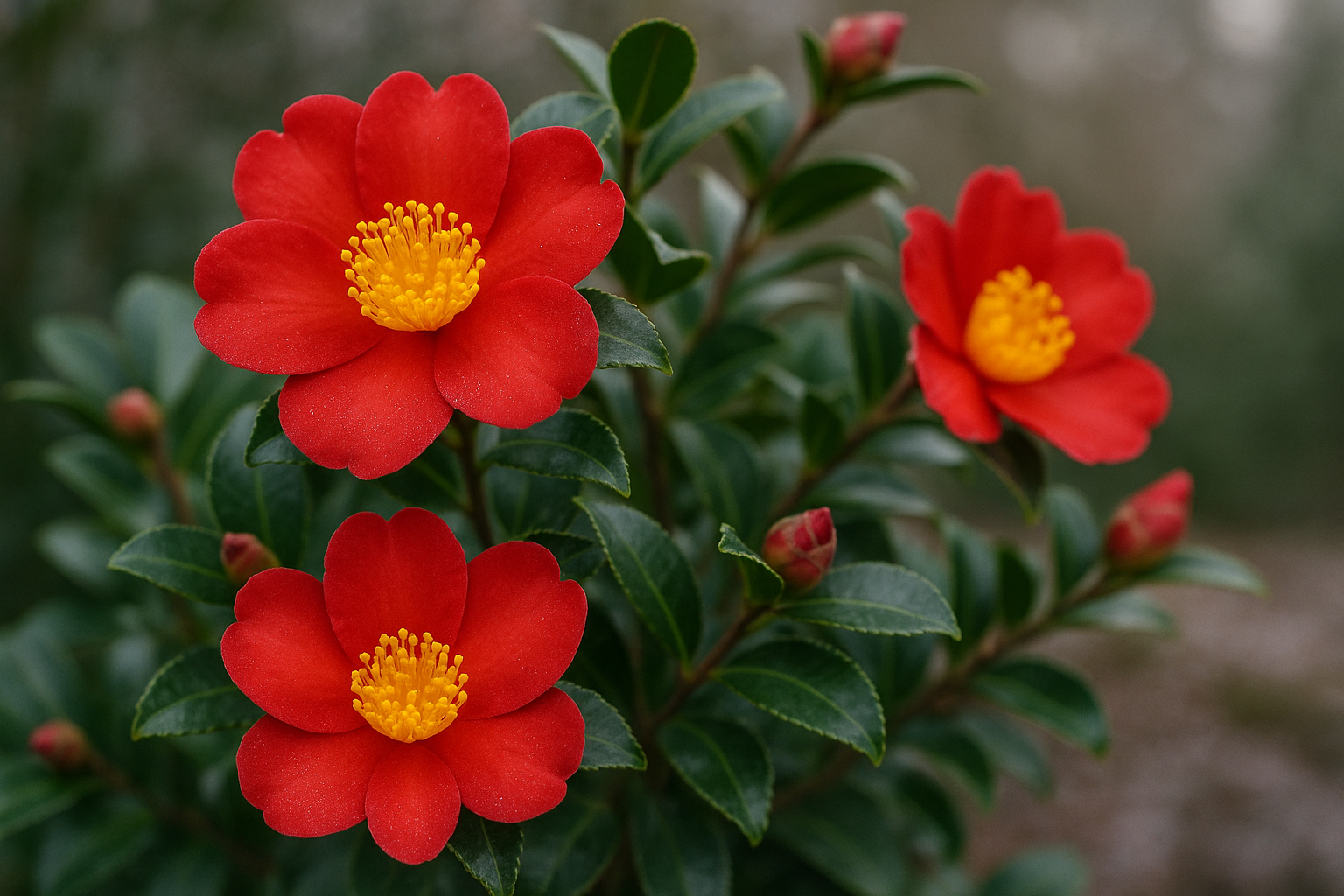
- ‘Yuletide’ Camellia: This variety is a holiday favorite for a reason. It produces brilliant, single, fiery-red flowers with bright yellow stamens. Its compact, dense growth makes it perfect for containers or foundation plantings. The blooms often appear just in time for the festive season, continuing into December.
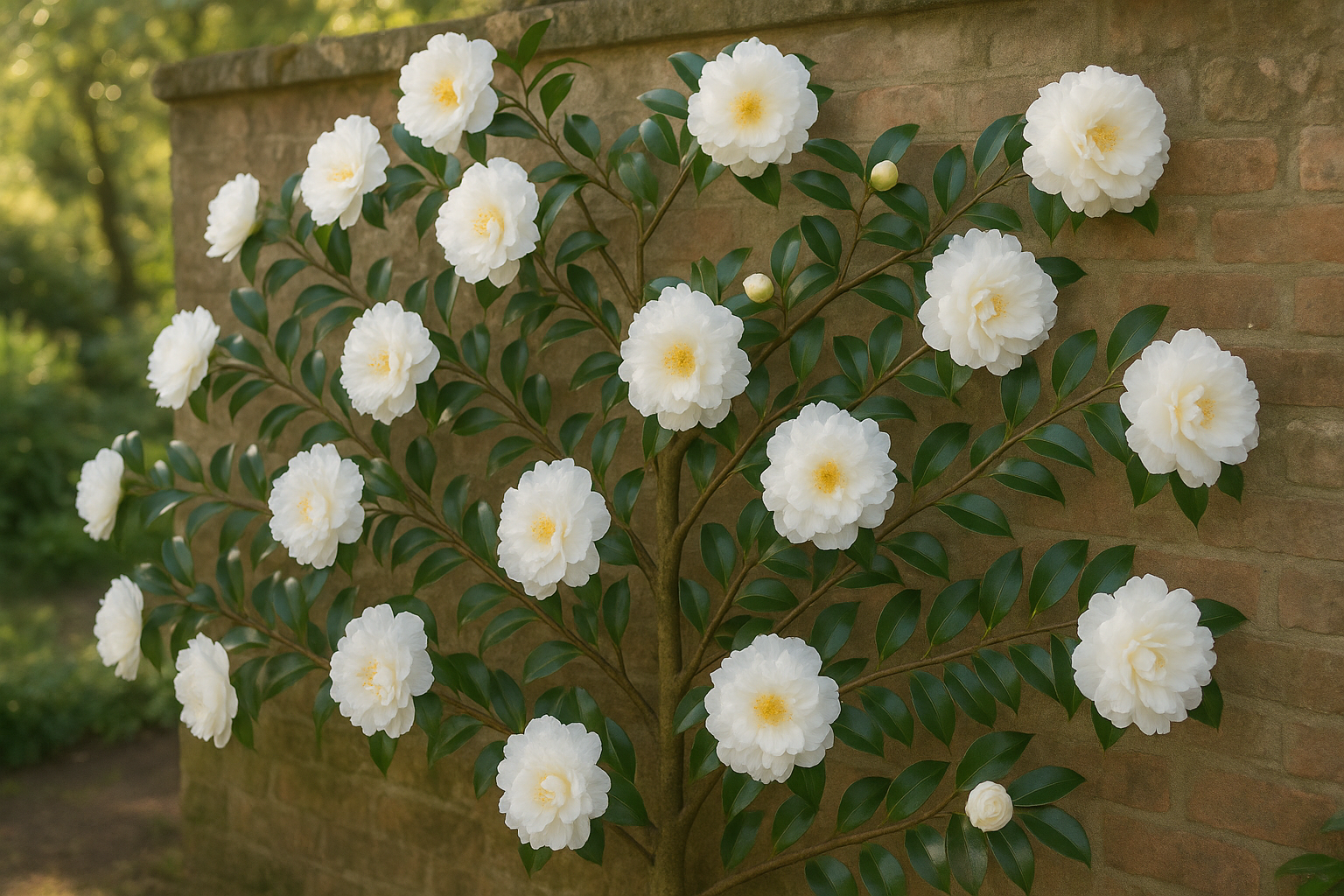
- ‘Setsugekka’ Camellia: For a touch of elegance, ‘Setsugekka’ is an excellent choice. It features large, white, semi-double flowers with ruffled petals. The blooms have a lovely fragrance. This vigorous grower can be trained as an espalier against a wall or used as a beautiful evergreen screen.
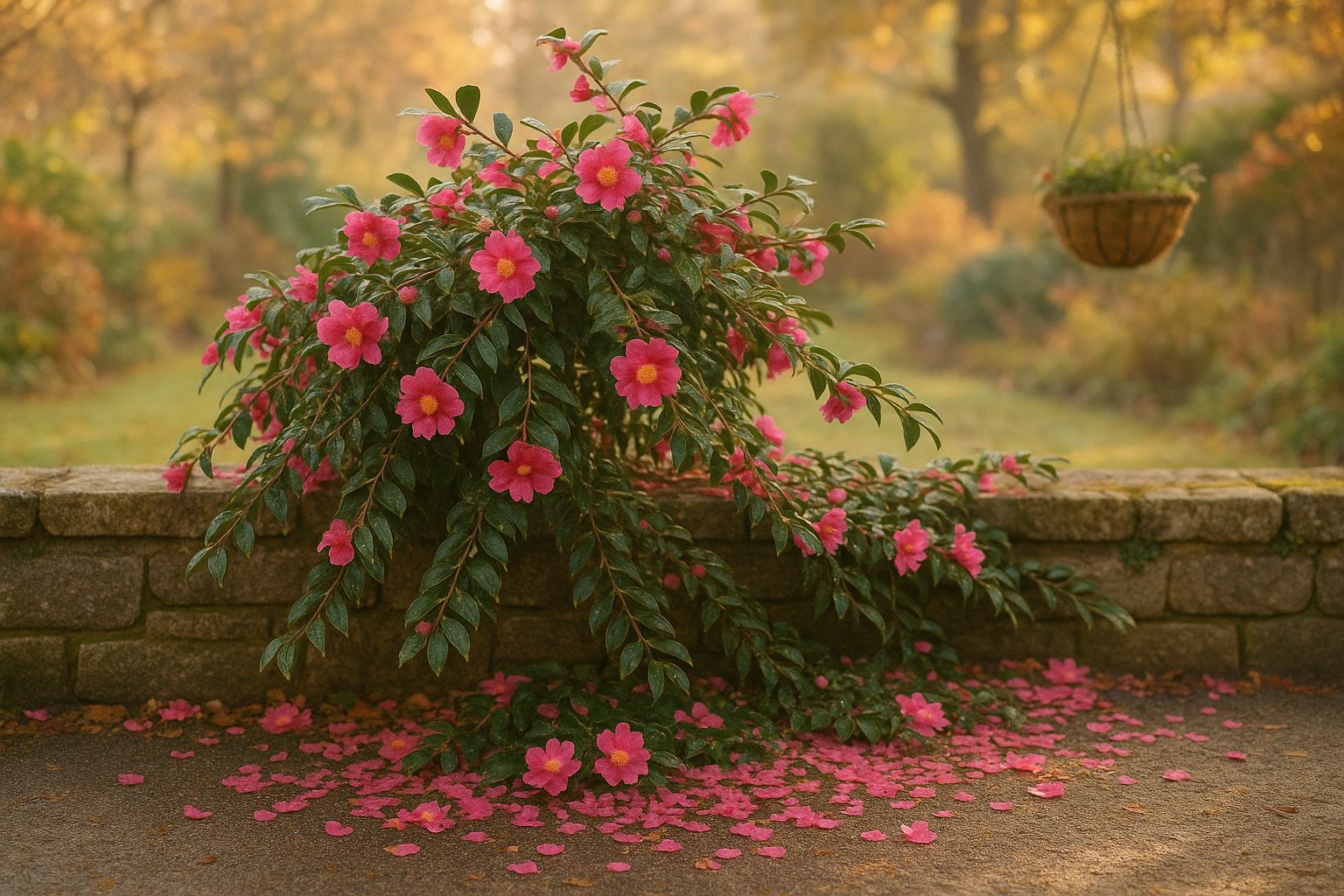
- ‘Shishi Gashira’ Camellia: A popular low-growing variety, ‘Shishi Gashira’ offers hot pink, semi-double flowers. Its cascading habit makes it ideal for ground cover, spilling over walls, or even in hanging baskets. It is a reliable and prolific bloomer that brightens up the late autumn garden.
Early Winter Wonders: December
December bridges the gap between the sasanqua and japonica seasons. Many late-blooming sasanquas, like ‘Yuletide’, will still be in full swing. Meanwhile, the very first Camellia japonica varieties may begin to open their buds, especially in milder climates. This month offers a beautiful transition of color and form.
Proper care is crucial as temperatures drop. Ensure your camellias have a good layer of mulch, like pine straw or bark chips, around their base. This insulates the roots from freezing temperatures. Additionally, watering is still important, especially during dry spells. Water them deeply but infrequently, ensuring the soil doesn’t become waterlogged. Protected locations, such as near a house wall or under the canopy of larger trees, help shield the delicate flowers from the harshest winter weather.
Mid-Winter Marvels: January
January is when Camellia japonica truly begins to shine. Source These camellias typically have larger, more intricate flowers than sasanquas. . They prefer partial shade, which protects their leaves from winter sun scorch and their flowers from frost damage. The blooms are incredibly diverse, ranging from single petal forms to complex, peony-like doubles.
Standout Varieties for January
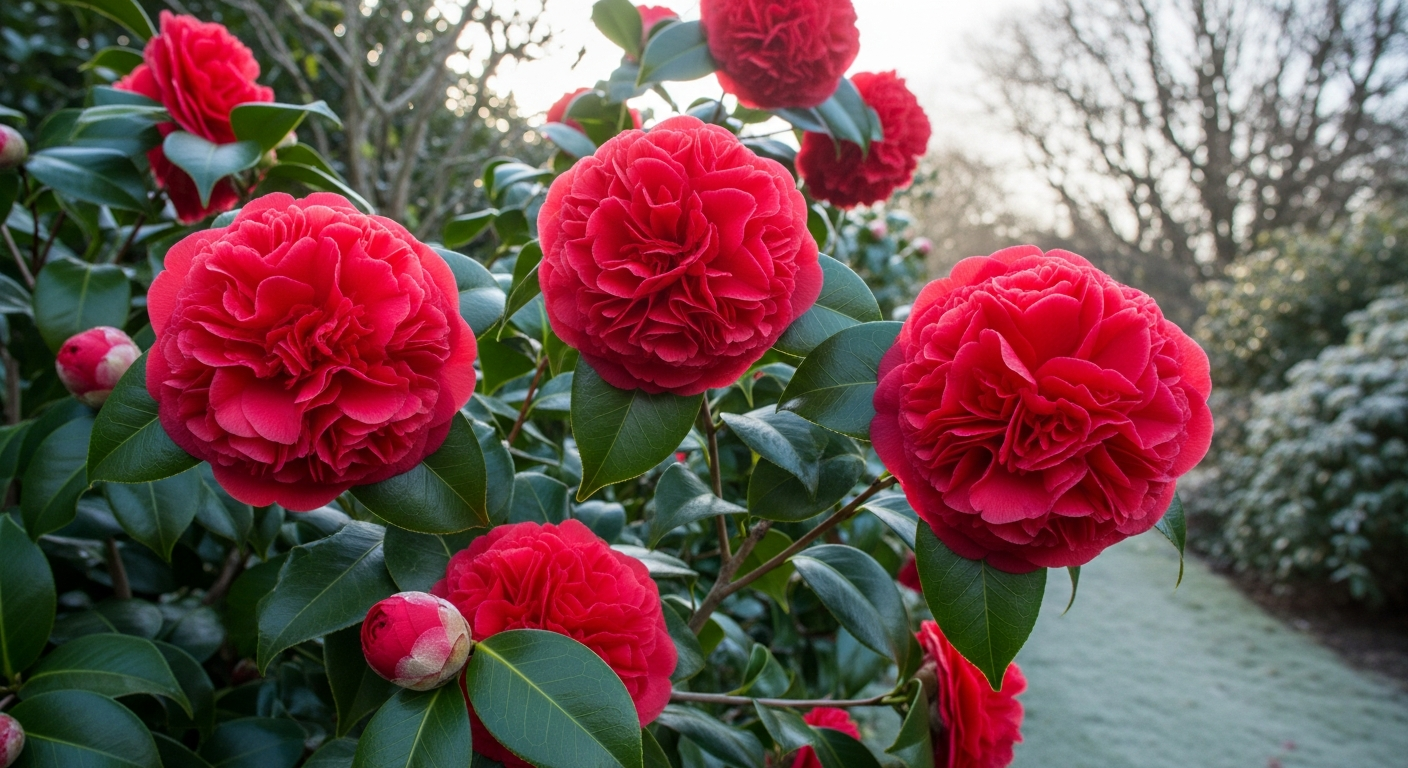
- ‘Kramer’s Supreme’: If you want a showstopper, this is it. ‘Kramer’s Supreme’ produces huge, peony-style flowers in a rich crimson red. The blooms have a delightful fragrance, which is a rare treat in the winter garden. It is a strong, vigorous plant that puts on a spectacular mid-winter display.
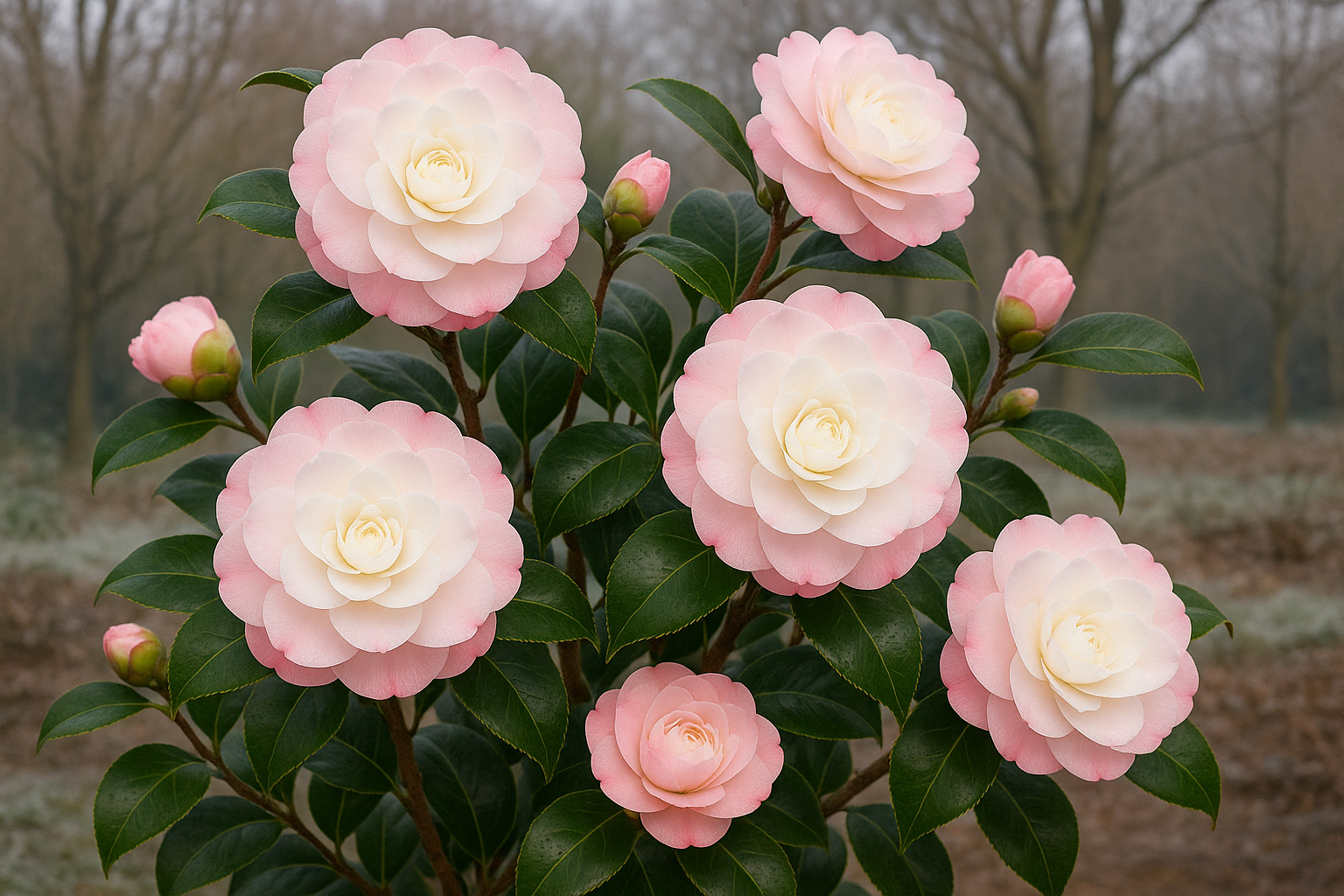
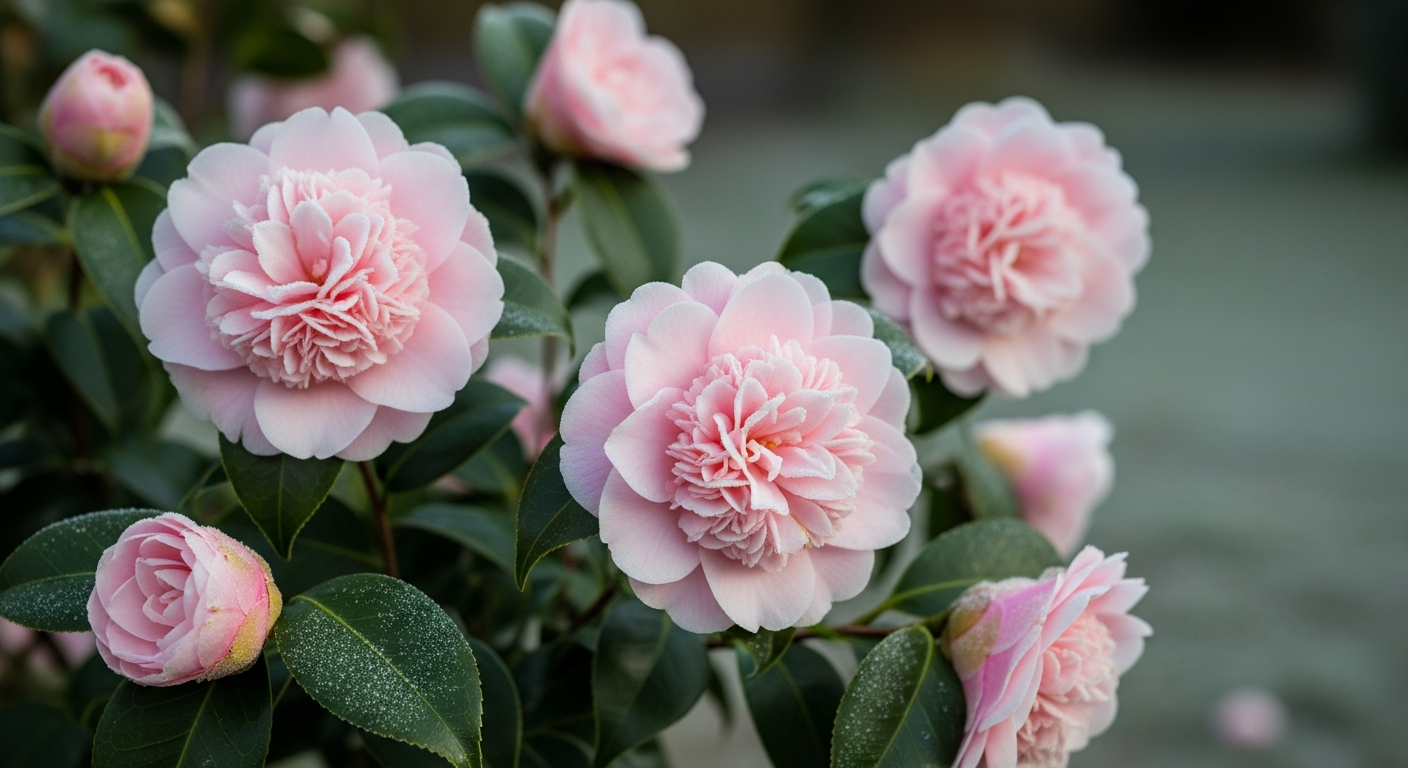
- ‘Nuccio’s Pearl’: This variety offers breathtakingly beautiful flowers. The fully double blooms open with a blush of pink on the outer petals, revealing a pure white center. The form is exquisite and formal. ‘Nuccio’s Pearl’ creates a stunning contrast in the winter landscape and makes an excellent cut flower.
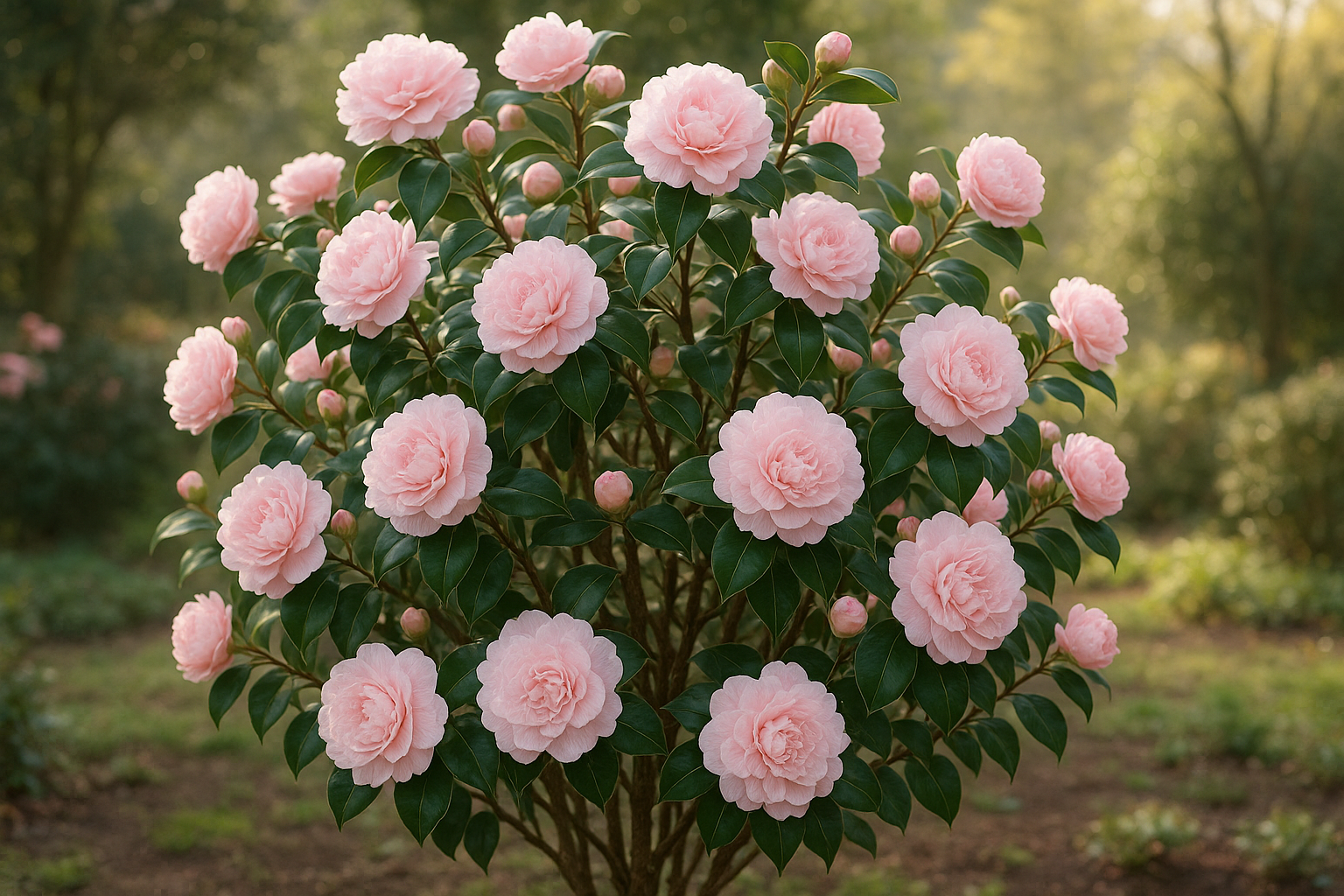
- ‘Debutante’: A classic and reliable choice, ‘Debutante’ produces large, light pink flowers that resemble peonies. It is an early-to-mid-season bloomer, often starting in January. This camellia has a vigorous, upright growth habit, making it a great choice for a hedge or specimen plant.
Late Winter Color: February and March
As winter begins its slow retreat, the camellia show reaches its peak. February and March are prime months for a vast number of Camellia japonica cultivars. The days grow longer, and the slightly warmer temperatures encourage an explosion of blooms. This is the time when your garden can be most vibrant, filled with shades of white, pink, and red.
As winter’s chill grudgingly retreats, revealing the promise of spring, our camellias often burst forth in magnificent bloom. However, this delicate display can be cruelly interrupted by an unexpected late-season frost. While many camellia varieties are robust, their tender open flowers and swelling buds are particularly susceptible to damage when temperatures dip below freezing after a period of warmer weather.
Why Late Frosts Are So Damaging
- Vulnerable Petals: Unlike dormant buds, the delicate, moisture-rich petals of an open camellia flower can easily freeze. This leads to:
- Browning and Edging: Petal edges and tips often turn brown or black.
- Translucency: Flowers may appear waterlogged or translucent, especially white varieties.
- Wilting and Collapse: The entire flower can wilt and eventually drop prematurely.
- Bud Blast: Even unopened buds can suffer, turning mushy or failing to open altogether.
- Impact on Display: A single frost can decimate weeks of anticipated blooms, leaving a disheartening landscape of damaged flowers. Protecting them ensures you can fully appreciate the vibrant colors and elegant forms that camellias bring to your garden.
Essential frost protection Techniques
When a cold snap is predicted, swift action can save your floral display. The goal is to create a temporary insulated barrier around your shrubs.
- Monitor Forecasts Closely: Stay vigilant with local weather reports. Pay particular attention to overnight lows and the duration of freezing temperatures. A “hard freeze” (temperatures well below 28°F or -2°C) requires more robust protection than a light frost.
- Hydrate Your Plants: A well-watered plant handles cold better. If the soil is dry, give your camellias a deep watering the day before a predicted frost. Moist soil retains heat more effectively than dry soil, radiating warmth upwards towards the plant.
- Choose the Right Covering Material:
- Dedicated Frost Cloth (Horticultural Fleece): This is the ideal choice. Designed to be lightweight and breathable, it allows some light and air to pass through while trapping warmer air around the plant. It’s often reusable and comes in various thicknesses for different levels of cold protection.
- Household Alternatives: Old bedsheets, blankets, burlap, or even lightweight tarps can work in a pinch. Avoid using plastic sheeting directly on the plant, as it can trap moisture and cause more harm than good, especially if it touches the foliage and freezes.
- How to Cover Your Camellias:
- Drape Loosely: Gently drape your chosen material over the entire shrub, ensuring it reaches the ground if possible. The goal is to create an “igloo effect” that traps ground heat. Avoid pulling the cover taut or crushing branches, as this can damage the plant and reduce insulation.
- Secure the Edges: Use stakes, rocks, bricks, or heavy objects to secure the edges of the covering to the ground. This prevents wind from blowing it off and helps trap the warm air. For larger shrubs, you might need to create a simple frame using stakes or tomato cages to support the cover and prevent it from resting directly on the delicate flowers.
- For Smaller Plants: Cardboard boxes can be placed over individual small camellias. Just remember to remove them promptly in the morning.
The Critical Morning Unveiling
Just as important as covering your plants is knowing when and how to remove the protection.
- Timing is Key: Once the temperatures rise above freezing, and the sun is fully up, it’s time to remove the covering. Leaving it on too long, especially on a sunny day, can cause the plant to overheat, leading to stress and potential damage.
- Allow Air Circulation: Prompt removal allows for proper air circulation, which is vital for preventing fungal diseases that can thrive in damp, enclosed conditions. It also ensures your camellia can resume photosynthesis, vital for its health and continued blooming.
By taking these proactive, simple steps, you can safeguard your camellias from the capricious nature of late-season frosts, ensuring a prolonged and breathtaking display of their exquisite blooms.
Top Choices for Late Winter
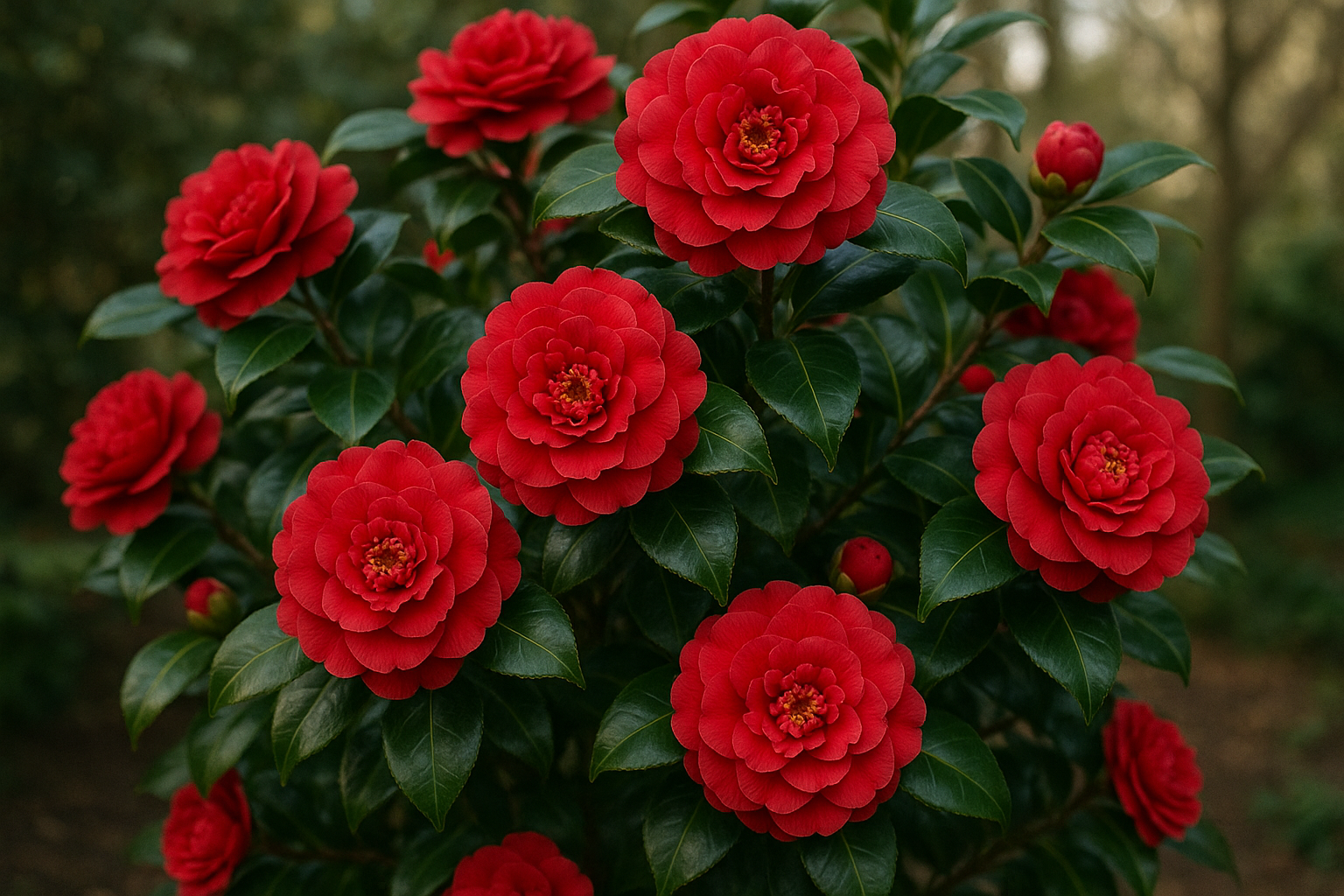
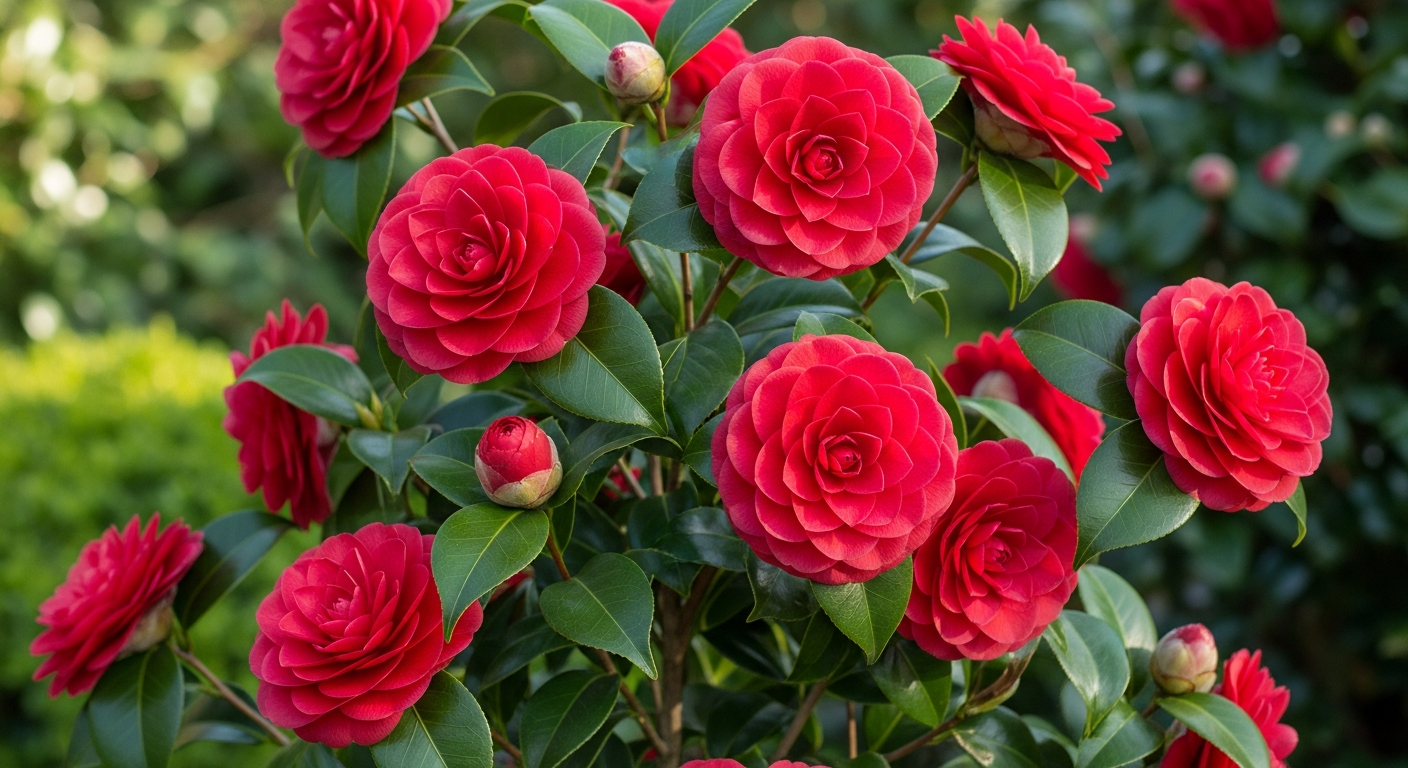
- ‘Professor Sargent’: This is a tried-and-true variety for good reason. It boasts large, dark red, fully double flowers with a slightly messy, anemone-like center. The plant is known for its hardiness and reliable blooming. Its deep green, glossy leaves provide a perfect foil for the dramatic flowers.
- ‘Magnoliaeflora’: For a more delicate look, consider ‘Magnoliaeflora’. It has semi-double, pale blush-pink flowers that are elegant and refined. The shape of the flower resembles a waterlily or magnolia, hence its name. It is a graceful shrub that adds a touch of sophistication to the late winter garden.
- ‘Black Tie’: This variety offers a dramatic and formal appearance. It produces small to medium-sized, deep red flowers with perfectly tiered petals. The blooms are long-lasting on the bush and as cut flowers. ‘Black Tie’ is an upright grower, suitable for smaller spaces or formal garden designs.
Conclusion: Your Garden in Bloom All Winter
With thoughtful selection, you can easily banish the winter blues from your garden. By planting a mix of Camellia sasanqua for the fall and early winter, followed by a succession of early, mid, and late-season Camellia japonica varieties, you create a continuous floral display. This strategy ensures your landscape remains vibrant and full of life during the coldest, grayest months of the year.
Start by assessing your space and climate zone. Then, choose a few varieties from each blooming period. Before you know it, you will have a garden that provides joy and color from the first frost of autumn to the first thaw of spring.
As an Amazon Associate, we earn from qualifying purchases.