
Introduction: Why Your Winter Garden Needs the Pink-a-Boo Camellia
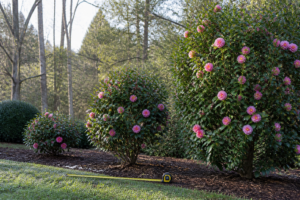
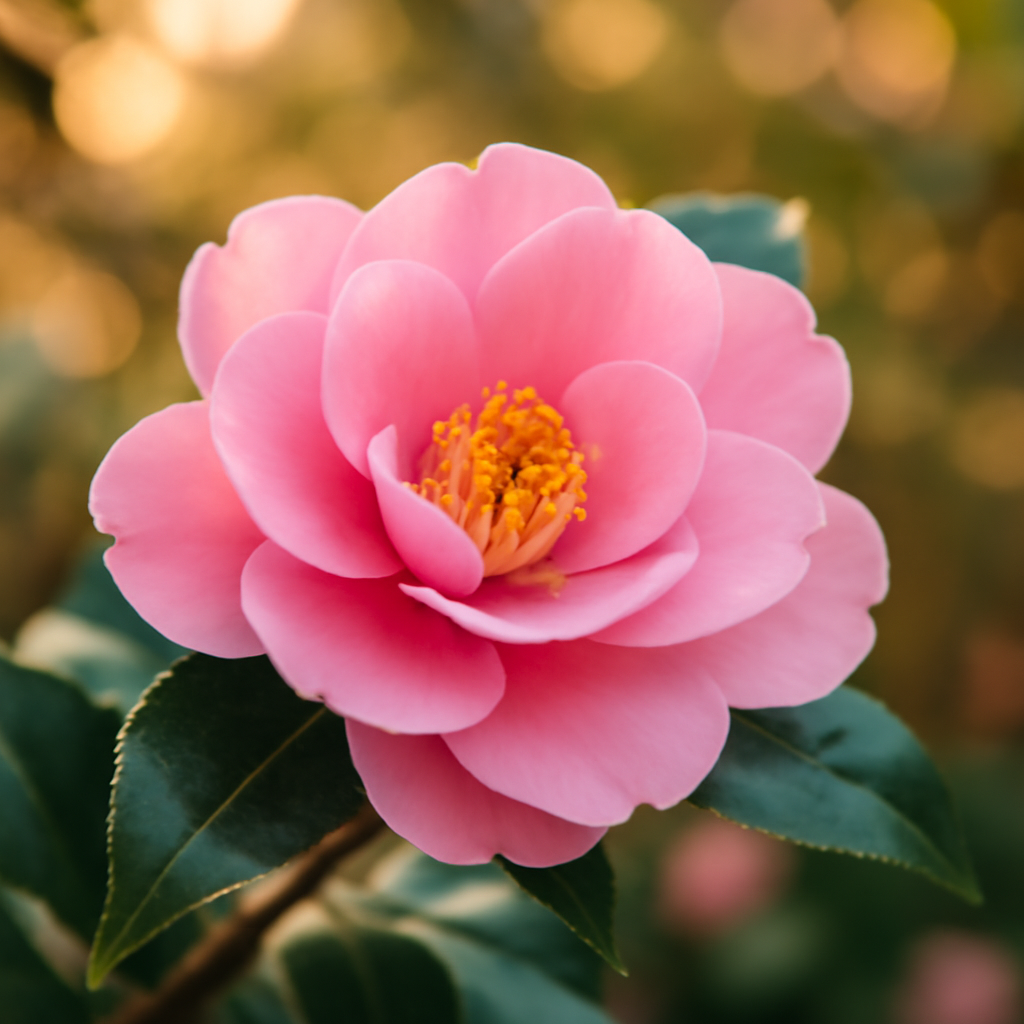
Scroll back through my phone to late December, and you’ll land on a photo of my side yard: frost-silvered lawn, skeletal hydrangeas, and one shrub absolutely dripping in soft pink flowers. That single image sums up the whole argument for growing this plant. Most of the garden has clocked out for the season, colors drained away, everything waiting for spring to bother showing up again. The trick isn’t fighting that dormancy—it’s finding something that simply refuses to participate in it. That’s exactly the role the Pink-a-Boo camellia plays. It’s a winter-flowering variety that produces fragrant, softly colored blooms right when the rest of the landscape has gone quiet, and after growing it myself, I want to walk you through what actually makes it thrive.
Getting Acquainted with Pink-a-Boo: A Cold-Season Showpiece
Pink-a-Boo (Camellia sasanqua ‘Pink-a-Boo’) was developed with one clear purpose: pushing the bloom window as far into the cold months as possible. While most flowering shrubs quit the moment frost shows up, this cultivar gets started in late autumn and keeps producing flowers straight through winter across most temperate regions. Individual blossoms are semi-double and on the smaller side, but they show up in such volume that the effect reads as a soft pink haze—enough to turn a forgotten winter corner into the spot everyone stops to look at.
The fragrance is really what sold me on it. There’s a faint, sweet note that lingers in cold morning air—something most contemporary camellia cultivars just don’t bother offering. Three growing seasons in, having stumbled through a fair share of trial and error, I’ve come to understand that Pink-a-Boo will reward careful attention with abundant flowers and vigorous, healthy growth.
How a Cheap pH Meter Solved My Pink-a-Boo Bud-Set Mystery
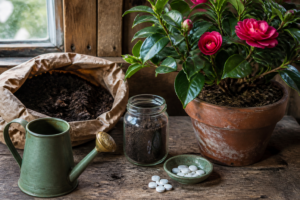
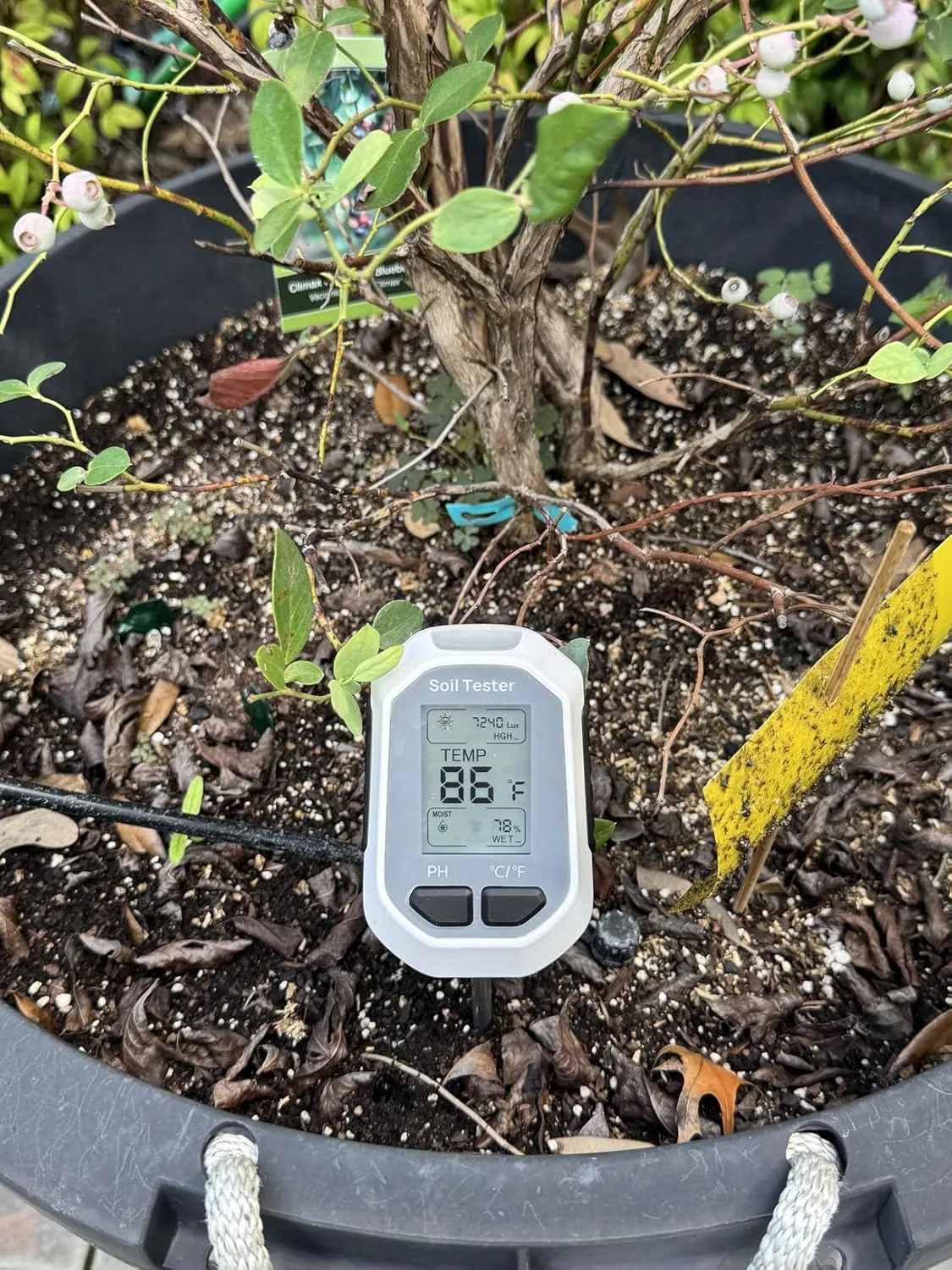
This cultivar is fussy about soil acidity, full stop—and I burned two entire seasons assuming my “acidic” beds were acidic enough without ever confirming it. A digital soil pH meter ended the guessing game and showed me, in black and white, exactly what conditions my camellia was actually rooted in. That one inexpensive tool reshaped my whole understanding of why the shrub wasn’t performing.
What works
- You get a reading in under sixty seconds, no shipping soil off to a lab and waiting around for results.
- Mine showed the bed sitting at 6.8 pH, nowhere near the 5.5–6.0 range Pink-a-Boo wants, which instantly explained the thin, disappointing bloom show.
- It’s easy to test several spots in the same bed—I discovered the ground near the oak was noticeably more acidic than the section closer to the house.
What doesn’t
- The battery drains quicker than expected, and swapping it out isn’t always simple—mine needed a CR2032, which took some searching to track down.
- Soil that’s too dry throws the numbers off; you’ll want to test after rainfall or a good watering to get a trustworthy reading.
I second-guessed the first reading because it seemed impossibly high compared to what I’d assumed, but a second test confirmed it—that meter saved me from another wasted season of fertilizing an already-borderline soil. Grab a digital soil pH meter and stop guessing.
Bringing Soil pH Back Into Range for Pink-a-Boo
Once the numbers confirmed my soil ran too alkaline, I set about fixing it. Nudging pH downward is a slow project, not something you solve in an afternoon. I worked elemental sulfur into the bed in late summer, mixed in extra peat moss and composted pine bark, and laid down a heavy layer of pine needle mulch, since decomposing needles naturally add acidity over time. By the following winter, my Pink-a-Boo had rewarded the effort with nearly twice its previous flower count.
A reading between 6.0 and 6.5 is workable, though the sweet spot is closer to 5.5–6.0. Retest every year or two, particularly if lime or wood ash has gone down anywhere nearby in the garden—those materials have a way of migrating and nudging pH in beds you never intended to treat.
Choosing the Right Spot and Planting Pink-a-Boo
This camellia does best in dappled light, ideally beneath tall deciduous trees that shield it from harsh afternoon sun in warmer regions. In colder zones, morning sun actually speeds up and increases blooming. Give each plant 4 to 5 feet of breathing room from its neighbors so air can move freely, which helps keep fungal problems at bay during soggy winters.
At planting time, be generous with acid-loving amendments worked into your native soil. My go-to blend for the planting hole runs 40% existing soil, 30% peat moss, and 30% pine bark mulch. Getting this mix right from day one sets the plant up properly and cuts down on how much pH correction you’ll need to do down the road.
Keeping Winter Blooms Going Strong
Pink-a-Boo’s flowers hold up better than you’d expect, tolerating light frost and sometimes even a harder freeze depending on where you garden. That said, direct afternoon sun during the bloom period will fade the petals faster, so plan for some afternoon shade if your winter sun runs intense.
Keep watering deeply through dry stretches, winter included. It’s easy to assume dormancy means you can stop watering altogether, but this plant is actively pushing out flowers all season and still needs steady moisture. A 2- to 3-inch layer of pine needles or acidic bark mulch helps hold that moisture in and buffers soil temperature swings.
The Bottom Line
Pink-a-Boo more than earns whatever effort it takes to dial in your soil conditions. Give it acidic, well-drained ground along with the right light and consistent moisture, and it turns into a dependable source of fragrant winter color that hardly anything else in the garden can rival. Don’t skip testing your pH—my own missteps proved that guessing is the surest way to undercut a healthy camellia.
About This Article

Written by Helen Pritchard. Helen Pritchard is a lifelong gardener in the Pacific Northwest who has grown more than 200 named camellia cultivars over two decades. She writes practical, experience-based guides to camellia care, from variety selection and pruning to troubleshooting yellowing leaves and bud drop. More about this site.
Verify this against a primary source
Specifics change, and your situation may differ from the one described here. These are the authorities worth checking directly:
- American Camellia Society — cultivar registration and culture guides
- USDA Plant Hardiness Zone Map — zone verification for your location
- Royal Horticultural Society — camellia cultivation and pest guidance