Camellias bring elegance to any garden with their lush foliage and stunning blooms. However, these beautiful shrubs can fall prey to a persistent pest: camellia scale. These tiny insects latch onto your plants, feeding on sap and slowly draining their vitality. Fortunately, you can effectively manage these pests with the right knowledge and a clear plan of action. This guide will walk you through identifying, treating, and preventing camellia scale infestations, ensuring your plants remain healthy and vibrant.
Understanding Camellia Scale: What You’re Up Against
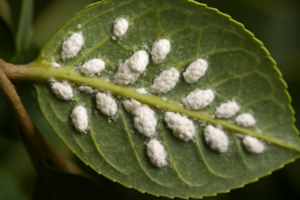
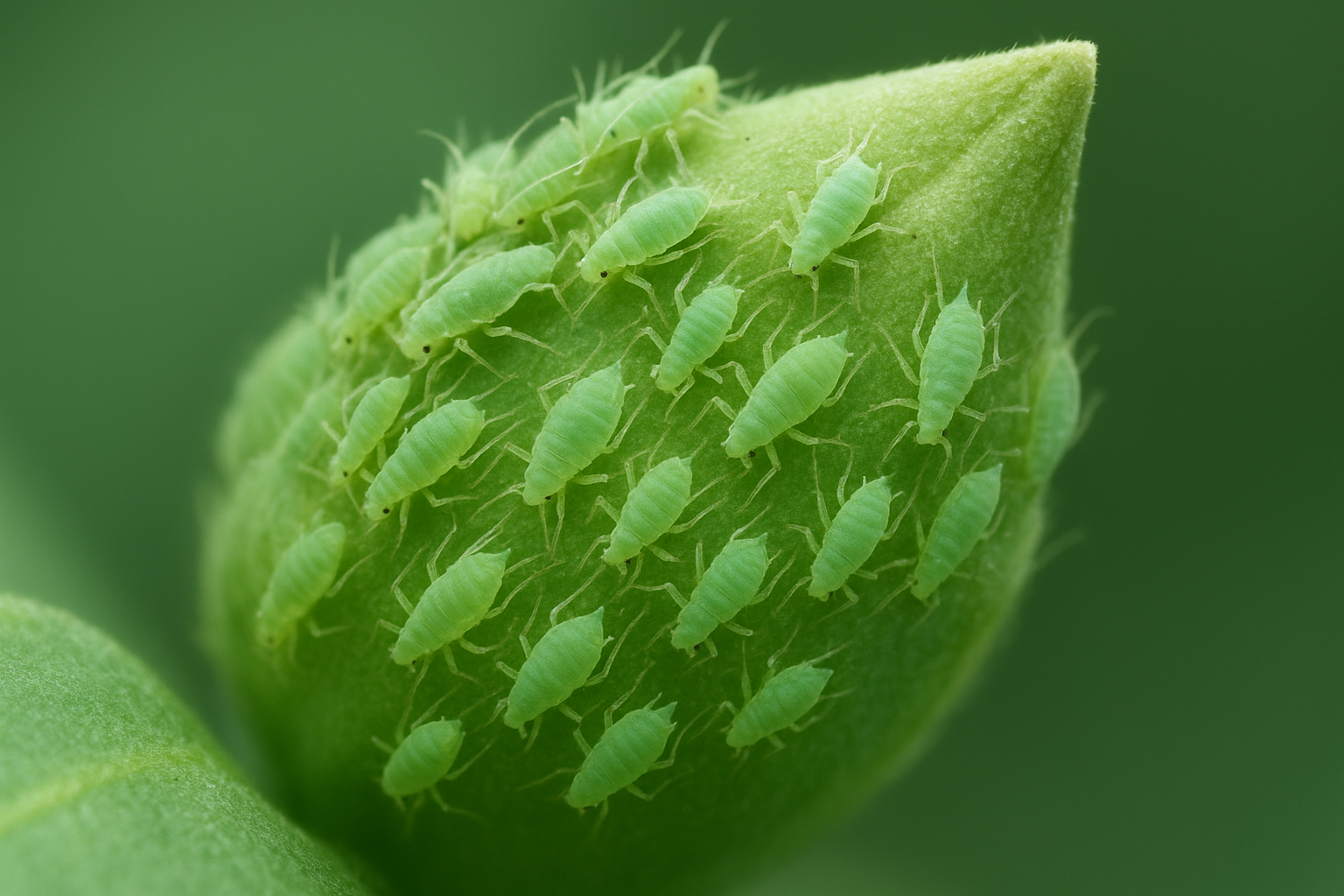
Before you can tackle a scale problem, it helps to know exactly what you’re dealing with. Camellia scale insects are small, oval-shaped pests that attach themselves to stems, leaf undersides, and branches. Unlike many other garden pests that move freely around plants, scale insects are largely sedentary once they settle in—they pierce the plant tissue and insert their feeding tube, remaining in one spot while they drain sap from your camellia.
What makes scale particularly troublesome is their protective waxy or armored coating. This shell acts as a barrier against water, insecticides, and physical removal attempts. The insects reproduce steadily, and depending on your climate, you may see multiple generations per year. Early detection is absolutely critical because younger scale insects haven’t yet developed their full protective armor, making them far more vulnerable to treatment.
Step 1: Identify Scale on Your Camellias
The first step in any pest management plan is accurate identification. Look for small, bumpy growths on the stems, leaf undersides, and branch junctions of your camellias. Scale insects often appear as tiny, brownish or grayish bumps—they’re easy to mistake for part of the plant itself at first glance. You might notice sticky residue (called honeydew) on leaves or the ground beneath affected plants, or see sooty black mold growing on that residue.
Inspect the plant closely using a magnifying glass if needed. Pay special attention to the undersides of older leaves and the crevices where branches meet the main stem. These are the favorite hiding spots for scale insects. If you catch an infestation early, when only a few scale are present, your treatment options are more straightforward and success rates improve dramatically.
Step 2: Choose Your Treatment Method
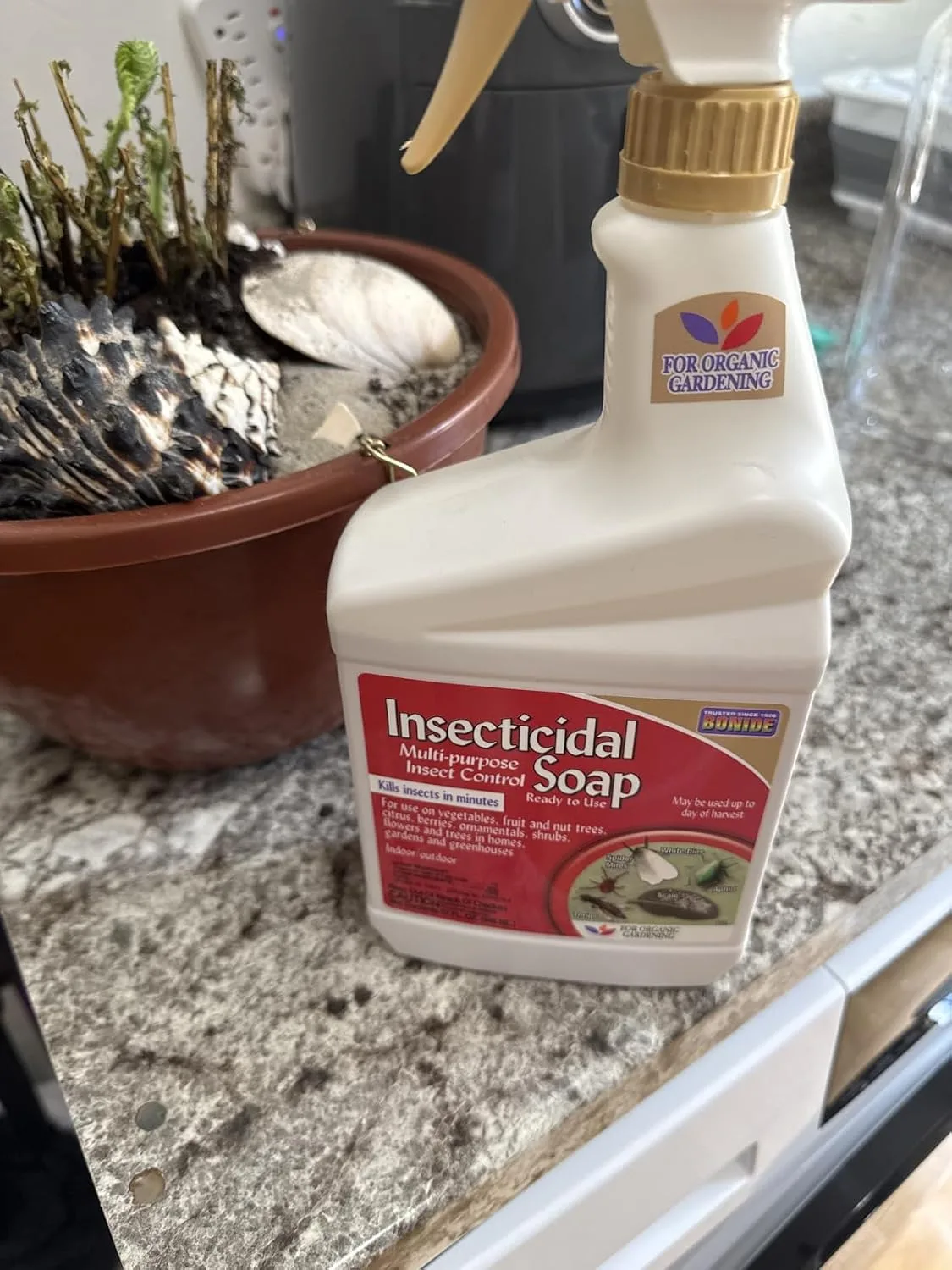
Scale insects are relentless, and once they establish themselves on your camellias, they’re maddeningly difficult to dislodge with water or manual removal alone. I needed something that would actually suffocate the pests without torching my plants’ foliage in the process.
What works
- Visible die-off of scale insects within 48 hours of application—I could see them turning brown and losing their grip on stems and leaf undersides.
- Safe to spray directly on camellia foliage and buds without burn damage when applied in early morning or late evening, unlike harsher chemical sprays.
- Works best on younger scale before they develop their protective waxy coating, so catching infestations early makes a real difference in effectiveness.
What doesn’t
- Won’t eradicate heavily armored adult scale in a single application—you need multiple treatments (typically 3–4 sprays, 7 days apart) to break the lifecycle and catch crawlers.
- Requires thorough coverage of the undersides of leaves where scale hide, which is tedious on large plants and easy to miss if you’re in a hurry.
I almost gave up after the first spray when I didn’t see immediate perfection on my worst-affected Camellia sasanqua, but I stuck with the treatment schedule and the difference by week three was undeniable. Grab a bottle of organic insecticidal soap and commit to the repeat applications—it’s the safest, most reliable tool I’ve found for scale control.
Step 3: Apply Treatment Correctly
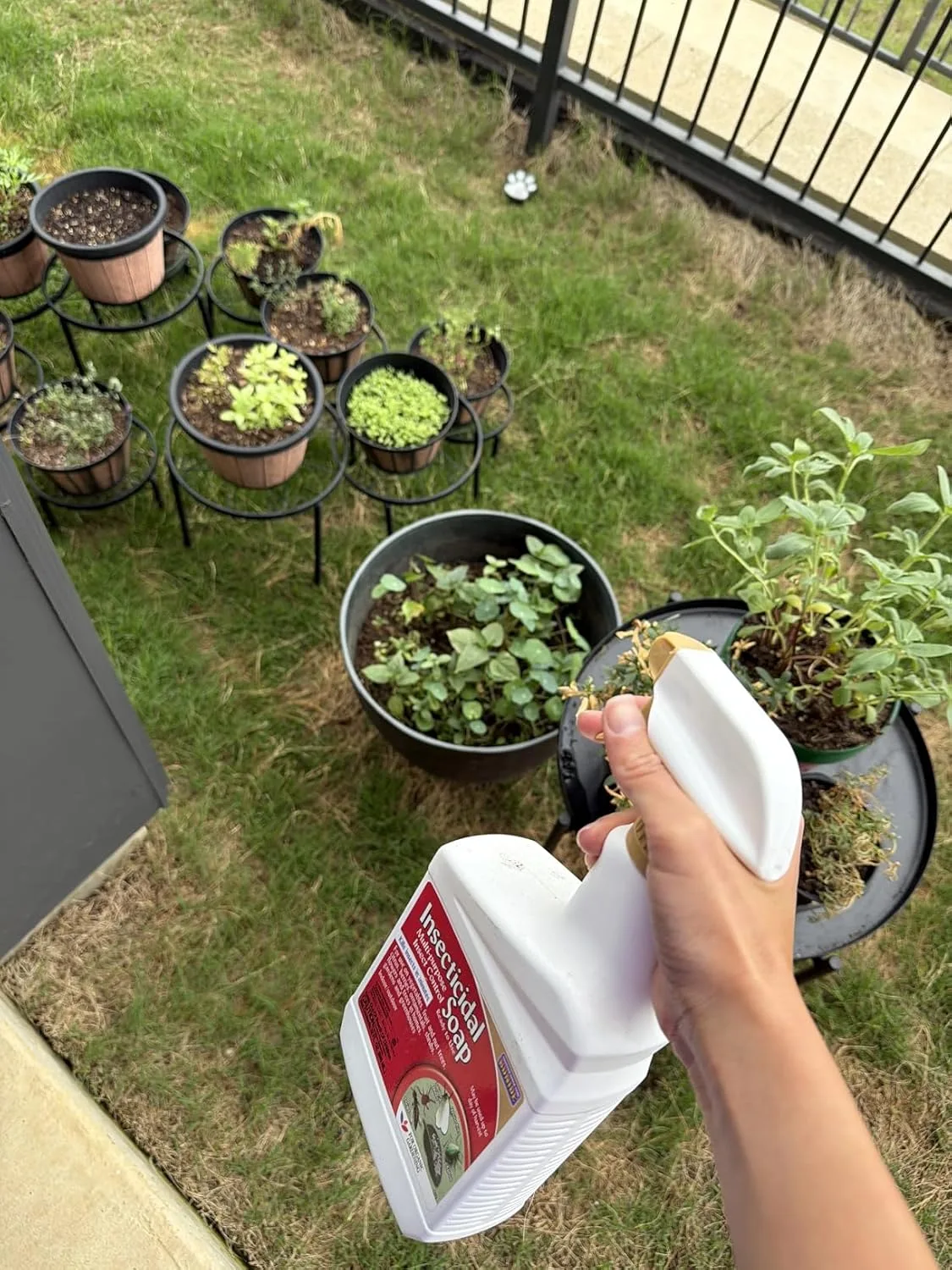
Application technique matters enormously with scale control. Spray your camellias thoroughly in early morning or late evening when temperatures are cooler and beneficial insects are less active. This timing also reduces the risk of foliage burn. Mix the insecticidal soap according to package directions and use a pump sprayer or hand-held bottle to ensure complete coverage.
The key is reaching every surface where scale might be hiding. Don’t just spray the tops of leaves—flip branches and saturate the undersides where the majority of scale congregate. Get into the crevices where stems branch, and coat the main trunk if scale are present there. This is meticulous work, but it’s what separates effective treatment from frustrating failure.
Repeat applications are essential. Since the soap kills on contact but doesn’t provide long-term residual protection, you’ll need to spray every 7 days for 3 to 4 weeks. This schedule allows you to catch newly hatched crawlers before they settle down and develop their protective coating.
Step 4: Support Plant Recovery
After scale infestations, your camellias need a little extra care to bounce back. Ensure consistent watering during dry spells, as stressed plants recover more slowly. Avoid heavy fertilizing immediately after treatment—wait until you see new growth before applying a balanced fertilizer. Prune away any severely damaged branches that won’t recover, as this helps the plant redirect energy to healthy growth.
Prevention is Your Best Defense
Once you’ve defeated a scale infestation, prevention becomes your priority. Monitor your camellias regularly—at least monthly during the growing season—by inspecting leaf undersides and stems. Maintain good garden hygiene by removing fallen leaves and debris where scale can overwinter. Avoid moving infested plants to new locations without thorough inspection and treatment first. Healthy, well-cared-for camellias in appropriate growing conditions are more resistant to scale infestations than stressed plants, so focus on providing adequate water, proper drainage, and dappled shade.
This post contains affiliate links. As an Amazon Associate, I earn from qualifying purchases at no extra cost to you.