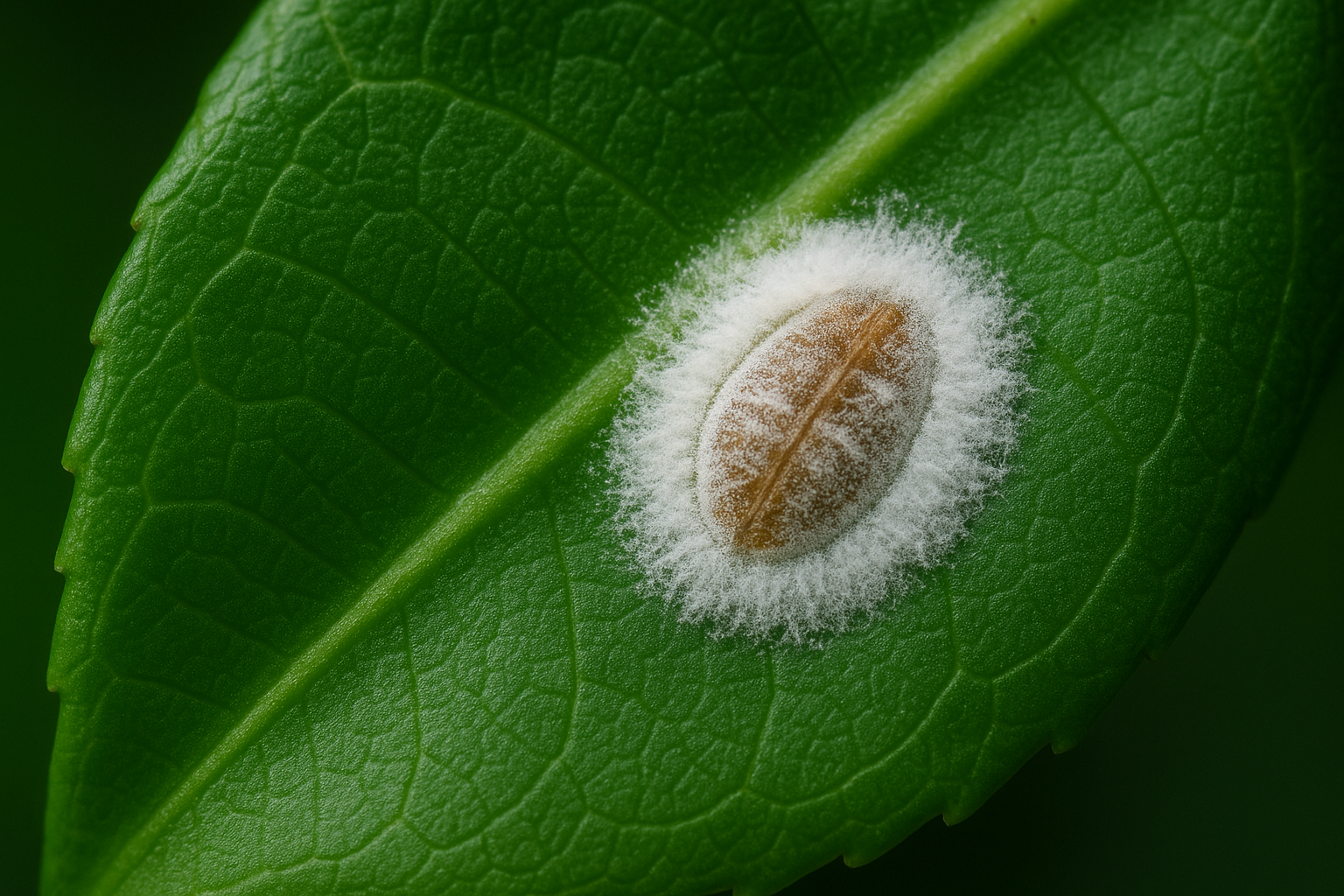

Left untreated, a pest problem can unravel years of patient camellia growing in a single season—that’s the blunt truth of it. These shrubs give us flowers when the rest of the garden has gone quiet, and their deep green, glossy foliage keeps things interesting straight through winter. But that beauty comes at a cost: pests can quietly erode both vigor and appearance before you notice anything’s wrong. Rather than grabbing a harsh chemical spray at the first sign of trouble, there’s a gentler route available. Going organic shields your plants, your soil, and the beneficial insects that call your garden home, and the payoff is a landscape that’s tougher and more balanced overall.
My Go-To Fix When Scale Insects Invade My Camellias
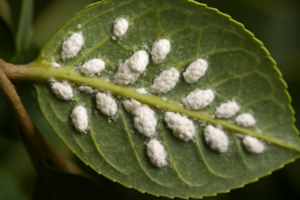
Scale insects don’t quit—they camp out on the undersides of camellia leaves, hidden from view, multiplying at a pace that catches most growers off guard. I spent years spot-treating individual patches only to watch the problem creep back, until I landed on an organic method that actually interrupts their reproductive cycle instead of just knocking back what’s visible. I remember the first time I noticed the shiny, sticky residue on my beloved C. japonica ‘Kramer’s Supreme’; I thought I could just wipe the leaves down. Little did I know, that was just the beginning of a much larger battle!
What makes scale such a headache is the armor they build. Once a female matures, she grows a hard, waxy casing that shrugs off most treatments. The real trick I’ve learned is to strike while the nymphs are still soft and exposed, before that shell forms. Timing and follow-through matter far more here than the strength of whatever product sits in your sprayer. As I’ve learned through trial and error, it’s the little things that make a big difference!
How Scale Operates—and Why the Organic Route Beats It
Early on in my camellia-growing days, I underestimated how fast a handful of scale could balloon into an infestation numbering in the hundreds. The young nymphs wander over stems and foliage until they pick a feeding spot, typically tucked under a leaf or pressed against a stem, and that’s where they start building their protective coating. By the time the damage is obvious to the eye, plenty of them have already hardened up, and at that stage, getting control back is an uphill fight. I vividly recall a summer with my C. sasanqua ‘Yuletide’; it was infested before I even realized what was happening, leaving me scrambling.
Organic control doesn’t operate the way chemical pesticides do. Instead of leaning on one all-purpose toxin to wipe out everything in its path, organic methods exploit specific weak points in a pest’s life cycle. With camellia scale, that means zeroing in on the crawling nymph phase and choosing products that smother them or block their development before they mature. After many frustrating attempts, I discovered that products like insecticidal soap work wonders when applied correctly.
The Part That Actually Works
- Getting full coverage on the leaf underside catches nymphs before they seal themselves into their protective shells—skipping this spot is where most organic treatments fall short.
- Spraying again every 7 to 10 days is what finally broke the cycle for me. By the third week, new foliage looked noticeably healthier and far fewer crawlers were visible moving along the stems.
- It won’t harm pollinators or damage those pristine white or pink blooms, so you can keep treating even while your camellias are flowering.
Where It Falls Short
- This isn’t a single-application cure—you need to stick to a spray rotation, and skipping a week or missing the undersides gives the insects room to rebound.
- On days over 85°F, I’ve noticed the spray dries out before it can work properly and coverage suffers, so I’ve shifted to spraying only in the cooler stretches of early morning or late afternoon.
Why Sticking to the Spray Schedule Actually Matters
Around the second week, with no visible progress, I nearly quit—I figured I was just spraying for nothing. Bailing out early, though, is precisely how scale wins the fight. This is the trap so many gardeners fall into with organic treatments. There’s no single knockout blow here; you’re chipping away at a pest’s reproductive cycle through repeated, deliberate action. Skip even one round, and the nymphs that survive will mature and start the whole population over again. I remember feeling so disheartened with my C. reticulata ‘Franklinia’ when I thought all my efforts were in vain!
The 7-to-10-day window isn’t arbitrary. Scale eggs tend to hatch in staggered waves, so spraying on that schedule means you’re catching each fresh batch of mobile nymphs before they settle in for good. Push it out to two weeks, or let a busy stretch cause you to skip a round, and you’ve handed them the opening they need to re-establish. It’s a lesson I had to learn the hard way more than once!
How to Apply Treatments for the Best Outcome
Thorough coverage under each leaf takes some patience to get right. I’ve found tilting the spray bottle and really soaking the underside of every leaf—the exact spot scale insects prefer to hide—makes all the difference. Spraying just the tops and calling it done won’t cut it. The undersides are where nymphs gather before they toughen up into adults. I still remember the time I skipped this crucial step on my C. japonica ‘Pink Perfection’ and ended up with a setback that took weeks to recover from!
When you spray matters almost as much as how thoroughly you do it. Early morning, before the heat builds and the dew has burned off, gives the treatment its best shot at proper coverage and absorption. Late afternoon, once temperatures start dropping, works well too. Spraying in the middle of a hot day—particularly past 85°F—causes the product to evaporate too quickly, which weakens its effect and can even scorch the leaves. I’ve had my share of scorched leaves during the peak of summer, which taught me to pay attention to the weather!
Other Organic Solutions Beyond Scale Control
Scale insects may be my biggest recurring battle, but they’re far from the only pest camellias attract. Spider mites can show up during dry spells, and mealybugs occasionally take hold on tender new growth. Insecticidal soaps and horticultural oils handle these the same way they handle scale. The underlying strategy doesn’t change: hit young insects while they’re still vulnerable, and keep your applications consistent. I’ve found that a good routine is essential to my camellias’ health!
As for prevention, a camellia that’s well-watered, gets good airflow, and receives proper feeding builds up its own natural resistance to infestations. Pests gravitate toward plants that are already struggling. This is something I’ve learned through years of nurturing my garden, ensuring that my plants are robust and ready to fend off the occasional intruder.
Putting the Organic Approach to Work in Your Own Garden
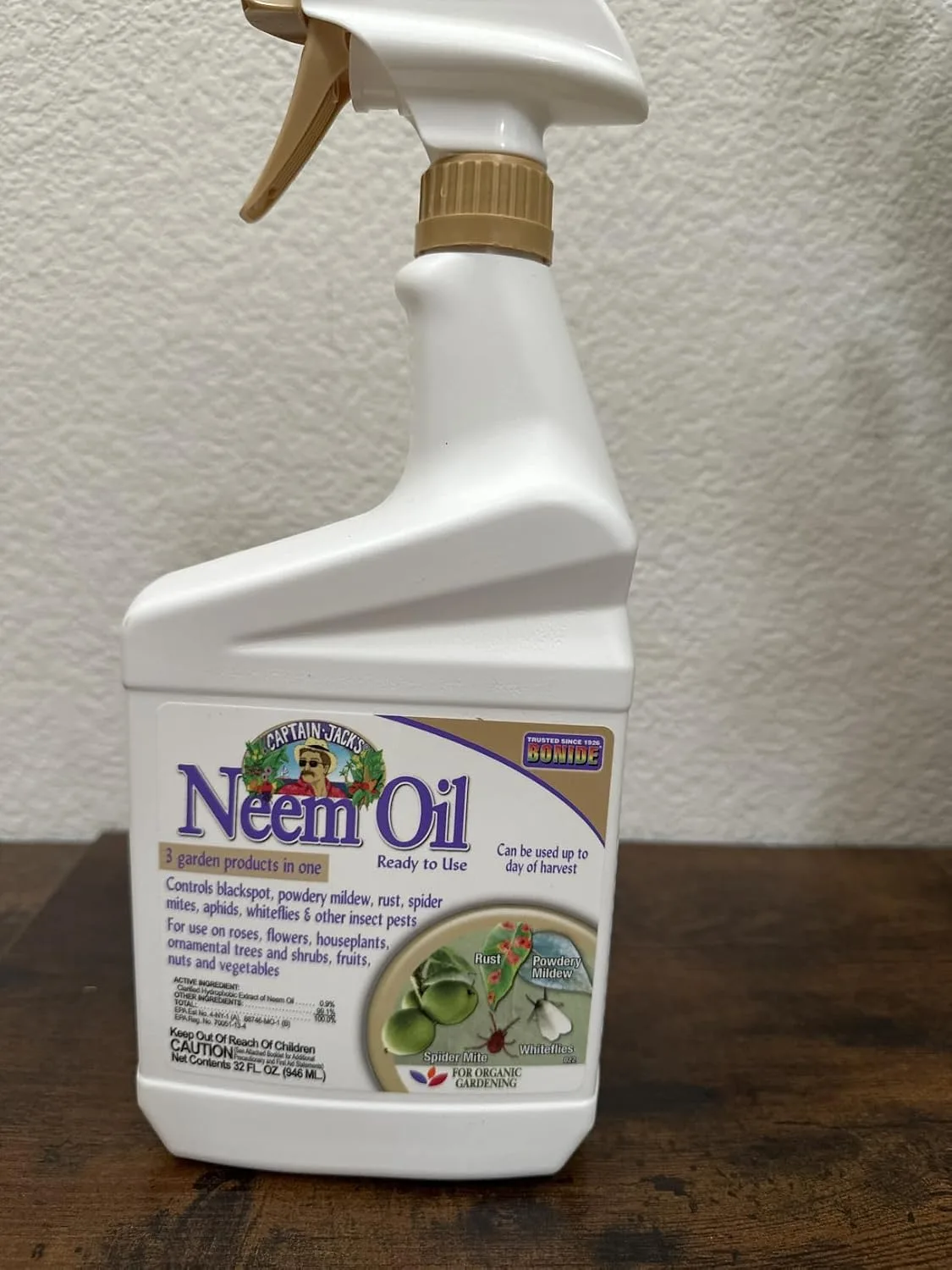
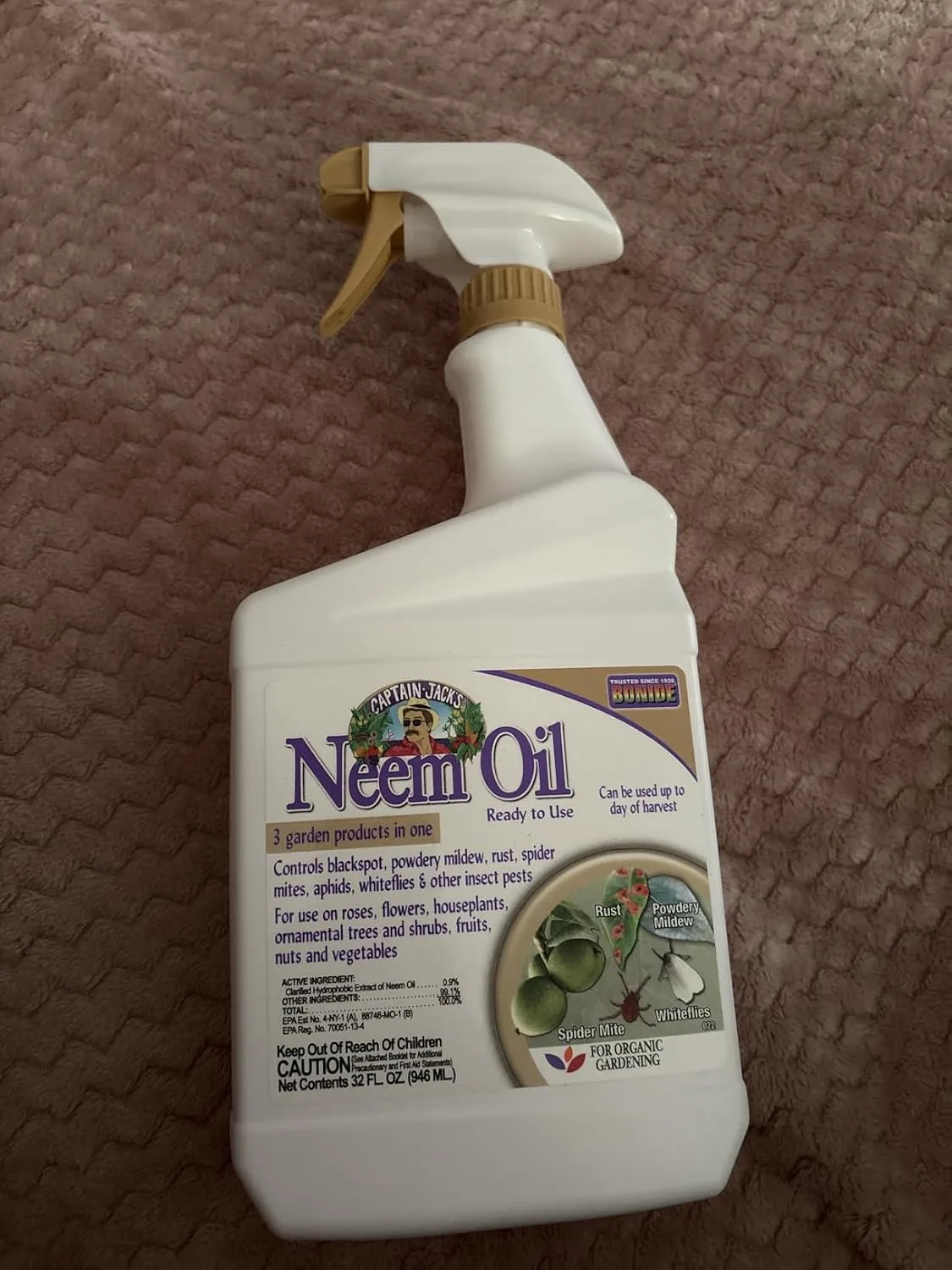
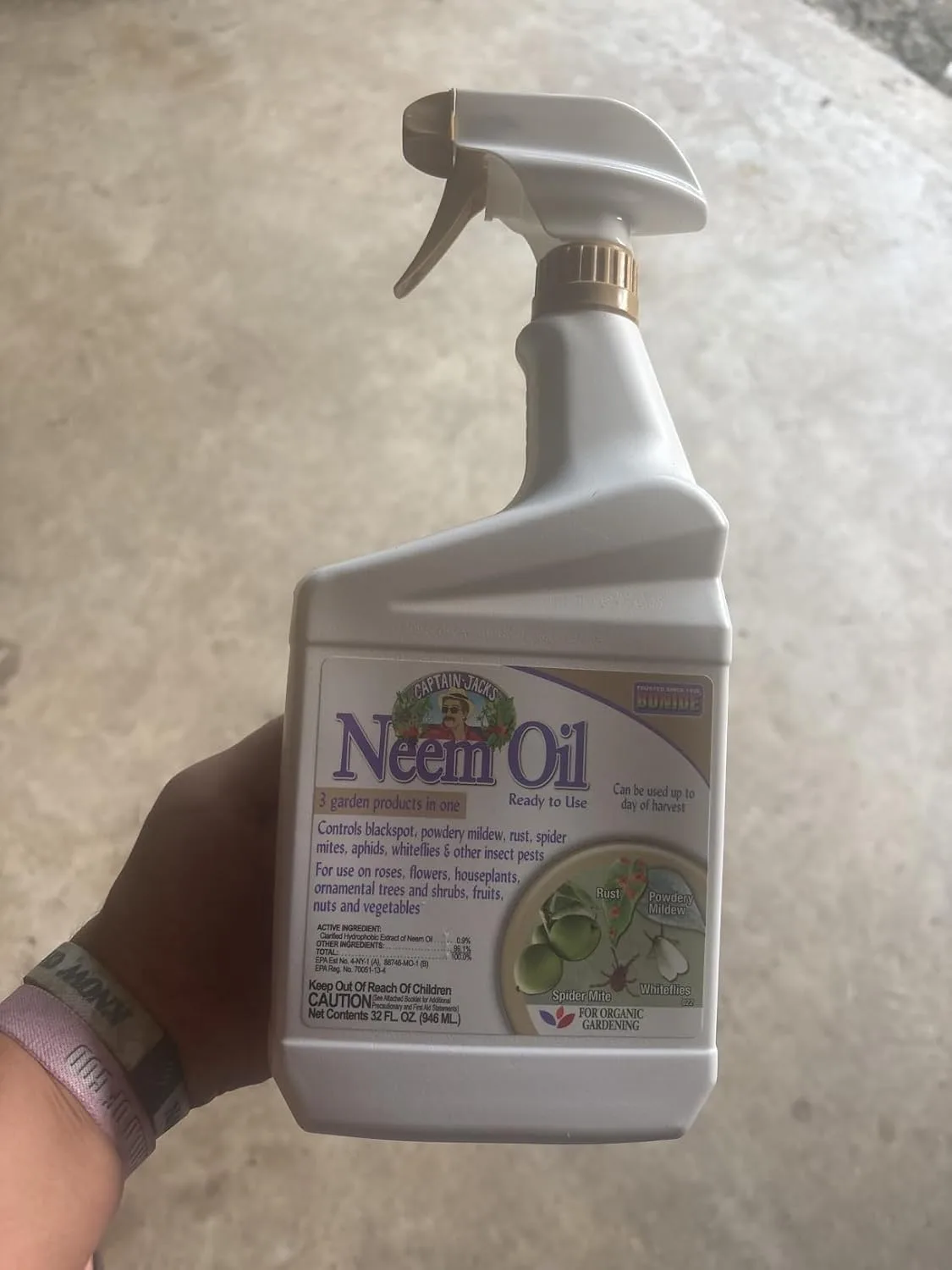
Choosing organic pest control means accepting that you’ll spend more time on management than reaching for a synthetic broad-spectrum insecticide. But what you gain is enormous: a garden free from harsh chemical residues, healthier soil biology, and the satisfaction of working with nature rather than against it. Neem oil insecticide has become my go-to solution because it’s proven effective on camellia scale, it’s safe for the plants and beneficial insects, and it fits into an organic gardening philosophy I’m proud of. Plus, the joy of seeing my camellias thrive in a balanced ecosystem makes every spray session worth it!
About This Article

Written by Helen Pritchard. Helen Pritchard is a lifelong gardener in the Pacific Northwest who has grown more than 200 named camellia cultivars over two decades. She writes practical, experience-based guides to camellia care, from variety selection and pruning to troubleshooting yellowing leaves and bud drop. More about this site.
Verify this against a primary source
Specifics change, and your situation may differ from the one described here. These are the authorities worth checking directly:
- American Camellia Society — cultivar registration and culture guides
- USDA Plant Hardiness Zone Map — zone verification for your location
- Royal Horticultural Society — camellia cultivation and pest guidance