Camellias bring elegance and vibrant color to any garden. Their lush, glossy leaves and stunning blossoms make them a favorite among gardeners. However, these beautiful shrubs can sometimes fall prey to pests and diseases. Proactive identification and treatment are key to keeping your camellias healthy and thriving. Understanding the signs of trouble helps you intervene quickly and effectively.
This guide will help you identify common camellia problems. We will also explore effective treatment options. With the right knowledge, you can protect your plants and enjoy their beauty for years to come.
. Source
What I Recommend
Over the years, I’ve learned that early detection is half the battle with camellia pests, and digital soil pH tester probes have become one of my most-used tools. Many pest and disease problems are actually rooted in improper soil conditions, so I check my pH regularly to ensure my camellias aren’t stressed and vulnerable. A quick test takes seconds and can save you months of frustration.
When I do spot pest problems, organic insecticidal soap is my first line of defense for soft-bodied insects like scale and spider mites. It’s gentle enough that I feel good using it on my plants, effective enough to actually work, and it breaks down quickly so there’s no harmful residue hanging around in my garden.
I also keep horticultural oil sprays on hand for those tougher infestations that soap alone won’t handle. Applied in dormant season or early morning, it smothers overwintering pests and their eggs without the synthetic chemicals—I’ve used the same bottle for three seasons now and it’s saved countless camellias from serious damage.
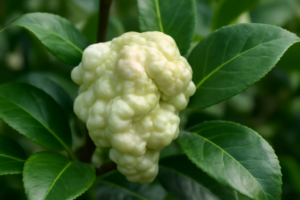
Clean cuts are essential when managing disease spread between plants, which is why anvil pruning shears are non-negotiable in my tool shed. Sharp, quality shears make removing diseased wood quick and clean, and I always keep disinfectant spray nearby to sanitize between cuts so I’m not accidentally spreading camellia leaf gall or other fungal issues from plant to plant.
Finally, a garden journal or notebook has been invaluable for tracking which plants get hit with which problems and what treatments actually worked. When you’re dealing with pests and diseases, patterns emerge over seasons, and my notes have helped me recognize early signs of trouble before they become serious infestations.
Identifying and Treating Common Camellia Pests
pests can weaken your camellia, reduce flowering, and make it susceptible to other issues. Fortunately, most common pests are manageable if you catch them early. Always inspect your plants regularly, paying close attention to the undersides of leaves.
Tea Scale (Fiorinia theae)
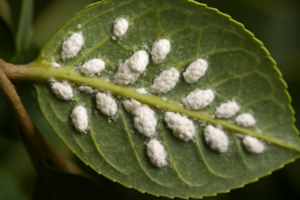
tea scale is one of the most persistent pests affecting camellias. These tiny insects attach themselves to the undersides of leaves. They feed on plant sap, which slowly drains the plant of vital nutrients. A heavy infestation can cause significant damage over time.

To identify Camellia Care: Pest Control and Manageme…, look for yellow, splotchy patterns on the upper surface of the leaves. Then, turn a leaf over. You will likely see a fuzzy, white or brownish coating that you can scrape off with a fingernail. This coating is a mass of female scales and their protective coverings. Male scales look like tiny white specks.
Treatment requires persistence. For minor infestations, you can wipe the insects off with a cloth dipped in rubbing alcohol. For more widespread issues, horticultural oil or insecticidal soap sprays are very effective. You should apply these treatments thoroughly to the undersides of the leaves. The best time for application is during the crawler stage in spring when the young insects are most vulnerable. Camellia Pest Management – Uni…
Aphids
aphids are small, pear-shaped insects that cluster on new growth, stems, and flower buds. They also feed on plant sap, which can cause new leaves to curl and distort. While a few aphids are not a major threat, their populations can explode quickly.

. Camellia Pest Problems – Garde…
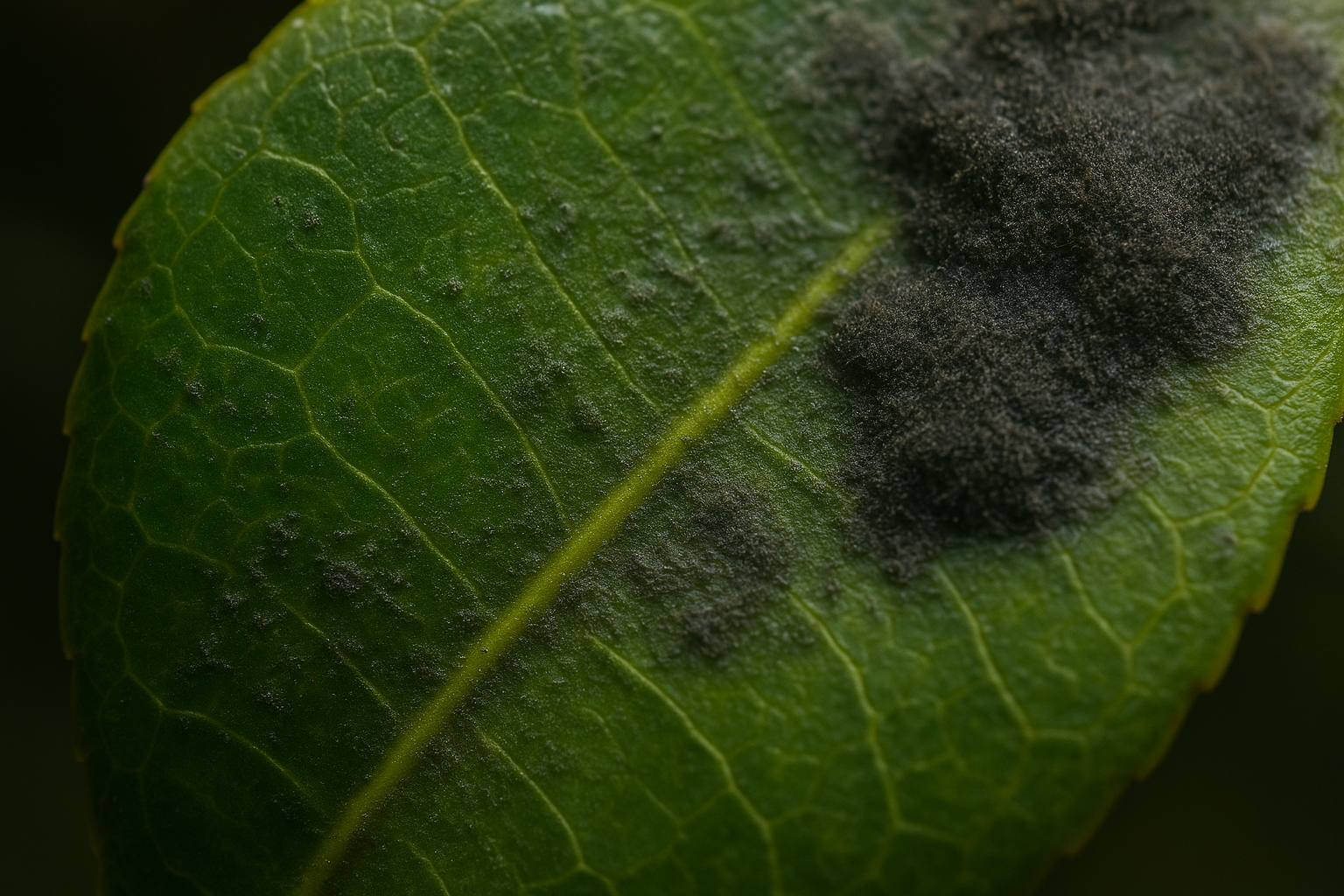
One of the most obvious signs of Gardening Know How – Camellia Pest Contr… is a sticky substance called honeydew. Aphids excrete this sugary liquid, which coats the leaves. Subsequently, a black fungus called sooty mold often grows on the honeydew, blocking sunlight and hindering photosynthesis. You may also see ants farming the aphids for this sweet substance.
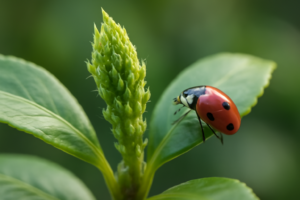
Controlling aphids is often straightforward. A strong jet of water from a hose can dislodge them. Furthermore, you can encourage natural predators like ladybugs and lacewings to visit your garden. For heavier infestations, neem oil or insecticidal soap provide excellent control without harming beneficial insects when used correctly.
Spider Mites
Spider mites are not true insects but are actually tiny arachnids. They are difficult to see with the naked eye. These University of California Agriculture and… thrive in hot, dry conditions. They use their piercing mouthparts to suck chlorophyll from the leaves, resulting in a stippled, faded appearance.
To check for spider mites, look for fine webbing on the undersides of leaves and between branches. You can also hold a white piece of paper under a branch and tap it. If tiny specks fall and start to move, you likely have spider mites. Severe infestations can cause leaves to turn yellow or bronze and eventually drop off.
To manage UC Agriculture and Natural Resources – S…, start by increasing humidity around the plant with regular misting. This creates an unfavorable environment for them. Releasing predatory mites can also be an effective biological control. If chemical intervention is necessary, use a miticide or horticultural oil, ensuring complete coverage of the plant.
Tackling Common Camellia Diseases
Diseases, primarily fungal, can cause significant harm to camellias, affecting everything from their flowers to their roots. Proper cultural practices are the best defense. For example, ensuring good air circulation and using proper watering techniques can prevent many common issues. fungal diseases are a leading cause of camellia health issues in humid climates. Source
. University of Florida IFAS Ext…
Camellia Petal Blight
petal blight is a heartbreaking fungal disease that ruins camellia blossoms. Caused by the fungus Ciborinia camelliae, it first appears as small, brown, irregular spots on the petals. Unlike normal aging, these spots quickly enlarge, and the entire flower turns brown and falls off. The veins of the infected petals often appear darker than the rest of the tissue.
This disease does not harm the leaves or stems, but it can destroy an entire season of blooms. The fungus survives in the soil on fallen petals from the previous year. Therefore, sanitation is the most critical control measure. You must remove and destroy all infected flowers immediately. Additionally, replacing the top few inches of mulch under the plant each year can help bury the fungal spores and disrupt their life cycle. UC Agriculture and Natural Res…
Dieback and Canker
dieback is a serious condition that causes sudden wilting and death of twigs and branches. It is often caused by the Glomerella cingulata fungus. The fungus typically enters the plant through wounds from pruning, frost damage, or insect activity. A canker, which is a sunken, discolored lesion, may form at the base of the affected branch.
If you see a branch suddenly wilt while the rest of the plant looks healthy, Royal Horticultural Society – Camellia P… is a likely culprit. To treat it, you must prune the infected branch well below the visibly diseased area. Cut back until you see healthy, green wood in the cross-section. It is crucial to sterilize your pruning tools with rubbing alcohol or a bleach solution between each cut to avoid spreading the disease to other parts of the plant or other shrubs in your garden.
Root Rot
root rot is a deadly disease caused by various soil-borne fungi, most commonly Phytophthora cinnamomi. It attacks the root system, preventing the plant from absorbing water and nutrients. The primary cause is almost always poorly drained soil or excessive watering.

Symptoms of root rot appear above ground as slow growth, yellowing leaves, and general wilting, even when the soil is moist. The plant may look thirsty, but adding more water only worsens the problem. To confirm, you can gently inspect the roots. Healthy roots are firm and white, while rotted roots are brown, soft, and mushy.
Prevention is the only reliable cure. Always plant camellias in well-draining, acidic soil. Amending heavy clay soil with organic matter can significantly improve drainage. If your plant is in a container, ensure the pot has adequate drainage holes. For existing plants, reducing irrigation and applying a fungicide drench labeled for Phytophthora may help save the plant if the disease is caught early.
As an Amazon Associate, we earn from qualifying purchases.
This post contains affiliate links. As an Amazon Associate, I earn from qualifying purchases at no extra cost to you. When I first noticed scale insects and early signs of fungal spotting on my camellias in the same season, I wanted one product that could tackle both without reaching for a cabinet full of chemicals. That’s when I started keeping Bonide Captain Jack’s Neem Oil Ready-to-Use Spray on hand. It’s OMRI-listed for organic gardening, which matters to me, and the ready-to-use format means I can grab it and spray the moment I spot trouble — no measuring or mixing required. I apply it in the early morning to avoid harming beneficial insects, and it’s become my first line of defense every season.
For my camellias that deal with persistent aphid pressure and the occasional spider mite flare-up during dry summers, I’ve been really impressed with BioAdvanced Organics Brand Neem Oil Ready-to-Use as a gentler alternative option in my rotation. I like alternating between two neem-based products to reduce the chance of pests building resistance, and this one has a slightly different formulation that I feel coats leaves really evenly. It’s a solid organic choice if you’re treating younger or more delicate camellia varieties where I want to be a little more cautious about product strength.
There are seasons when soft scale or vine weevils get genuinely out of hand in my garden, and a foliar spray alone just doesn’t cut it — especially when pests are attacking camellia roots. That’s when I turn to Bonide Systemic Insect Control Granules for longer-lasting protection. I scatter them around the drip line of my camellias, water them in, and the systemic action works from the roots up through the plant. It’s not something I use casually — I reserve it for serious infestations — but when I need it, it genuinely saves established plants that I’ve spent years nurturing.