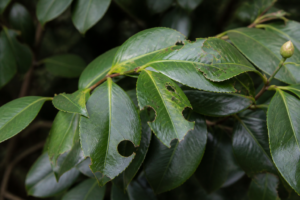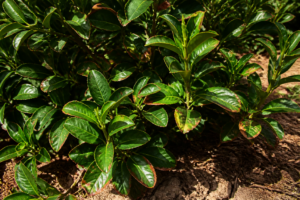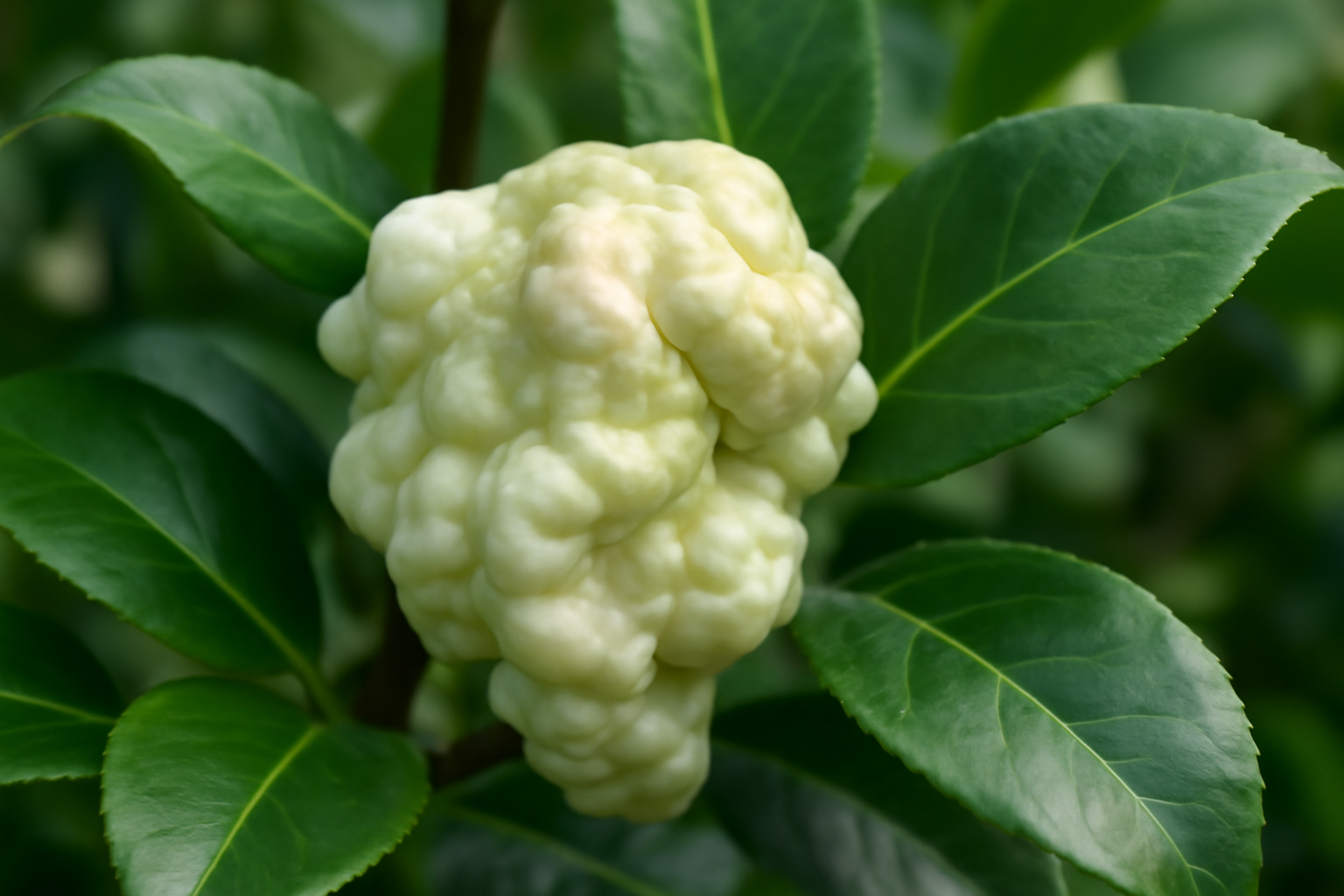
A soggy stretch of March weather settled over my zone 8a garden one year, and when the clouds finally broke, I walked out to find my ‘Debutante’ japonica covered in something I’d never seen before — swollen, waxy lumps where healthy leaves should have been. My first thought was that she was on her way out. The foliage had puffed up into thick, pale, almost rubbery growths, and I stood there certain I’d made some fatal gardening error. I hadn’t. What I was looking at is a condition that puts on a much bigger show than it actually deserves. If something similar has turned up on your own plants, let’s slow down together — I’ll walk you through what’s really going on, why it shows up, and what you should do next.
So What’s Actually Going On With Camellia Leaf Gall?
The culprit behind camellia leaf gall is a fungus called Exobasidium camelliae — a strange little organism with an unusual strategy. Instead of decaying the leaf tissue or leaving behind spots, it takes over the plant’s own cells and forces them to swell and multiply in ways they never would on their own. What you end up seeing are those bulging, misshapen growths, typically pale green, cream, or blushed pink, showing up on tender spring leaves or on flower buds themselves.
When a gall first forms, it’s solid and has a bit of a sheen to it. Given time, though, its surface turns chalky and white. That coating is nothing more than fungal spores getting ready to travel — and this is the critical moment for spread. From what I’ve tracked in my own garden, you typically have only a few weeks between when a gall first appears and when it starts releasing spores. Moving fast in that window really matters.
Which of My Camellias Tend to Get Hit?
With more than 200 named cultivars spread across USDA zones 7b, 8a, and 8b, I’ve had plenty of chances to spot trends. Japonica types are, without question, the group I see gall on most often. ‘Debutante,’ ‘Governor Mouton,’ and ‘Pink Perfection’ have all been repeat offenders in my beds. My sasanquas — ‘Yuletide’ and ‘Setsugekka’ among them — do pick up gall on occasion, but nowhere near as regularly.
Reticulata cultivars have shown themselves to be the toughest customers, at least in my garden, though I’d stop short of calling any camellia truly untouchable. My ‘Crimson Robe’ reticulata hasn’t produced a single gall in years. Even so, species alone doesn’t tell the whole story — how a plant is grown matters enormously. Stressed camellias, or ones tucked into heavy shade, seem to draw trouble no matter what variety they are.
What Sets Off Camellia Leaf Gall in the First Place?
Cool, damp, humid springs are basically an open invitation for leaf gall. The spores spend winter tucked into the soil and hiding in leftover plant litter. Once temperatures hover in that mild 50–65°F band and rain keeps showing up, the fungus finds exactly the environment it needs — and it’s arriving right as tender new growth is pushing out, offering the perfect target.
Here in my zone 8a garden, the stretch from late February into April is when I’m on high alert. Not every year is equally bad, though. One particularly rain-heavy March left me finding galls on eleven separate plants during a single walk through the garden. Compare that to a drier spring with an early warm-up, where I might only spot one or two galls the entire season.
Stagnant air around the plant is another factor I’ve come to take seriously. Camellias crowded too close to each other, or wedged against solid fencing or walls where breezes can’t reach them, are the ones that show up on my gall list year after year. It’s worth mapping out spacing and airflow before you plant, rather than trying to fix it afterward.
Is Soil Quality or Feeding Schedule Part of the Equation?
I’ll admit, I used to blame heavy fertilizing for a lot of this. Lush, soft new growth certainly seems like an appealing target for the fungus. That said, I haven’t come across solid evidence tying nitrogen-heavy feeding directly to more gall outbreaks. What I have noticed is that camellias sitting in soggy, poorly drained soil, or planted where the pH strays outside the ideal 5.5–6.5 window, tend to run more stressed overall — and stressed plants, as a rule, fall victim to problems more readily.
My own beds sit at a pH between 5.8 and 6.2, which I verify with soil tests every year. Camellias growing in that range seem to bounce back from minor gall outbreaks with less trouble. It’s no guaranteed fix, but a camellia rooted in acidic, well-draining soil and fed properly is simply going to perform better across the board, gall or no gall.
Telling Leaf Gall Apart From Other Camellia Trouble
Let me spare you some guesswork. Leaf gall has a look all its own once you know the signs to watch for. Here’s how it differs from the other issues that tend to get confused with it.
- Leaf gall: Fleshy, thickened swelling on fresh leaves or buds, in shades of pale green, cream, or pink, that eventually turns chalky white on its surface.
- Camellia petal blight: Shows up on the blooms, not the foliage — brown streaks and quick petal collapse, caused by an entirely separate pathogen.
- Aphid or scale damage: Leaves twist or curl but don’t puff up. Check for insects themselves or the sticky honeydew film they leave behind.
- Sunscald or frost injury: Leaves turn brown or crisp and papery, with no fleshy swelling anywhere.
- Ordinary bud growth: Healthy buds stay firm and come to a point. Galls, by contrast, are rounder, bulkier, and noticeably paler.
Puffy, pale, fleshy growth appearing on this year’s new spring shoots is about as clear a signature as plant problems get — that’s leaf gall. Nothing else in the camellia world quite mimics it.
A Blunder I Made So You Don’t Have To
Here’s a story that still makes me wince a little. Back when I was newer to camellias, I found gall all over my ‘Governor Mouton’ and went into a bit of a panic. I snipped off every last gall with the nearest pair of shears — and then just left the whole pile sitting right there on the ground beneath the plant. In my mind, problem solved.
It was the opposite of solved. A number of those galls had already gone powdery, meaning they were packed with ready-to-spread spores. By dropping them right at the base of the plant, I’d essentially planted next year’s infection myself. Sure enough, the following spring ‘Governor Mouton’ came back with nearly double the gall count.
Here’s the takeaway: cutting galls off does nothing if you don’t also get rid of them the right way. I’ll spell out exactly how in the treatment section coming up.
Treating and Managing Camellia Leaf Gall
Here’s the encouraging part: dealing with this doesn’t require chemicals of any kind. The catch is that it does demand steady attention and good timing. Below is the routine I’ve settled into after many years of trial and error.
Step 1: Pull Galls Before the White Powder Sets In
This is, hands down, the step that matters most. Walk your camellias and inspect new growth every few days once gall season kicks in — for my zone 8a garden, that’s roughly late February through April. The moment you spot a gall, pull it off by hand or snip it with clean pruners. Do this while it’s still firm and green, ahead of the powdery white stage.
Once that white film shows up, the spores are primed to travel — carried by wind, rain splash, or insects onto nearby leaves and neighboring plants. Removing galls even after that point still helps, but you’ve already lost some of the head start you had.
Step 2: Get Rid of Removed Galls the Right Way
Never toss them on the compost pile. Never let them fall and stay on the ground under the plant. Seal any galls you remove inside a plastic bag before they go in the trash. I’ve also burned mine on occasion during a yard debris fire — there’s something satisfying about knowing they’re completely gone.
I carry small zip-lock bags in my garden apron whenever I’m doing spring rounds. It might sound like overkill, but bagging a gall takes maybe three seconds. That small habit alone has cut down recurrence noticeably in my worst-affected beds.
Step 3: Tidy Up Fallen Plant Debris
Fungal spores hunker down over winter in the soil and in dropped leaf litter. Once gall season has passed, rake away fallen leaves and old flower petals from beneath the plants that were affected. Laying down a fresh layer of pine bark mulch — my go-to, since it also helps acidify the soil — cuts back on spore activity right at the surface.
I spread mulch about 2 to 3 inches deep, keeping a gap around the trunk so moisture doesn’t collect against the base. This is simply sound camellia care overall, not something specific to gall control. I go into more depth on mulching and soil prep in my planting guide for long-term camellia success.
Step 4: Open Up the Airflow
If one particular plant keeps getting gall season after season, take a hard look at what’s around it. Is it hemmed in by neighbors? Backed up against a solid fence with nowhere for air to move? A bit of structural pruning to thin the canopy can shift things noticeably. I go into more detail on technique in another post on camellia pruning, worth checking if your plants are getting congested.
Timing your pruning matters just as much. The rule is to prune right after flowering wraps up. For spring bloomers like my ‘Pink Perfection’ japonica, that lands in April or May. For fall bloomers such as ‘Yuletide,’ I do mine in late November or early December once the flowers have finished dropping.
Are Fungicides Worth Using?
People ask me this all the time. Honestly, for the average home gardener, they’re not much help. To be effective, fungicides have to go on before infection even starts, timed carefully around bud break. That level of precision might make sense for a commercial grower or someone managing a severely infected showpiece specimen.
But for the rest of us, hand-removal and cleanup do the job just as well, with a lot less hassle. In more than twenty years of growing camellias, I’ve never once reached for a fungicide to handle leaf gall. Staying consistent with removal and keeping the garden clean has always gotten the job done.
Does Leaf Gall Actually Damage the Plant?
Let me put your mind at ease. Camellia leaf gall almost never does real, lasting damage to a mature, well-established plant. A camellia in good health can carry a scattering of galls every spring and still put on a gorgeous bloom show. Yes, the infected leaves stop functioning properly, but the plant simply grows fresh, healthy leaves to replace them as the season moves along.
Younger, more recently planted camellias are a bit more exposed to risk. A bad gall outbreak on a plant that’s only a year or two in the ground can put noticeably more strain on it. That’s exactly why I pay closer attention to anything I’ve planted within the past couple of years. My newer ‘Survivor’ japonica — a gorgeous single red I’m especially fond of — gets checked daily through gall season during its first few springs in the ground.
Even so, I’ve rarely — if ever — seen an infection, no matter how alarming it looked, actually kill a camellia. I’ve had plants that were nearly buried in galls one spring, gotten proper treatment underway, and watched them come back completely fine the next year. There’s no need to panic — just take action.
Wrapping Up: Living With Camellia Leaf Gall
Camellia leaf gall is really a textbook case of looking far scarier than it actually is. It’s odd, it’s unsettling the first time it appears, and it can make you feel like your plant is in serious trouble. In truth, it’s a fungal issue you can manage without much fuss, provided you stay consistent about it.
Here’s the plan in a nutshell: walk your plants and check new growth every few days. Pull galls before they go white and powdery. Bag them up and put them straight in the trash. Clean up fallen debris once the season winds down. Open up airflow wherever you’re able to. That’s the whole approach.
I’ve been dealing with leaf gall across my entire collection for more than twenty years now. Some seasons hit harder than others — a cool, soggy spring in zone 8a can feel like an uphill battle. Still, I’ve never lost a single camellia to it, and I’ve never needed to bring in chemicals. Paying attention and moving quickly are really the only tools you need.
Growing camellias anywhere from zone 7b up through zone 9 and haven’t run into leaf gall yet? Odds are good you eventually will. At least now you’ll know exactly what’s happening and exactly what to do about it. Don’t let those weird, swollen bumps rattle you — just grab a zip-lock bag and get moving.
About This Article

Written by Helen Pritchard. Helen Pritchard is a lifelong gardener in the Pacific Northwest who has grown more than 200 named camellia cultivars over two decades. She writes practical, experience-based guides to camellia care, from variety selection and pruning to troubleshooting yellowing leaves and bud drop. More about this site.
Verify this against a primary source
Specifics change, and your situation may differ from the one described here. These are the authorities worth checking directly:
- American Camellia Society — cultivar registration and culture guides
- USDA Plant Hardiness Zone Map — zone verification for your location
- Royal Horticultural Society — camellia cultivation and pest guidance