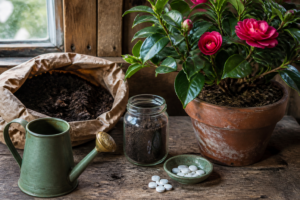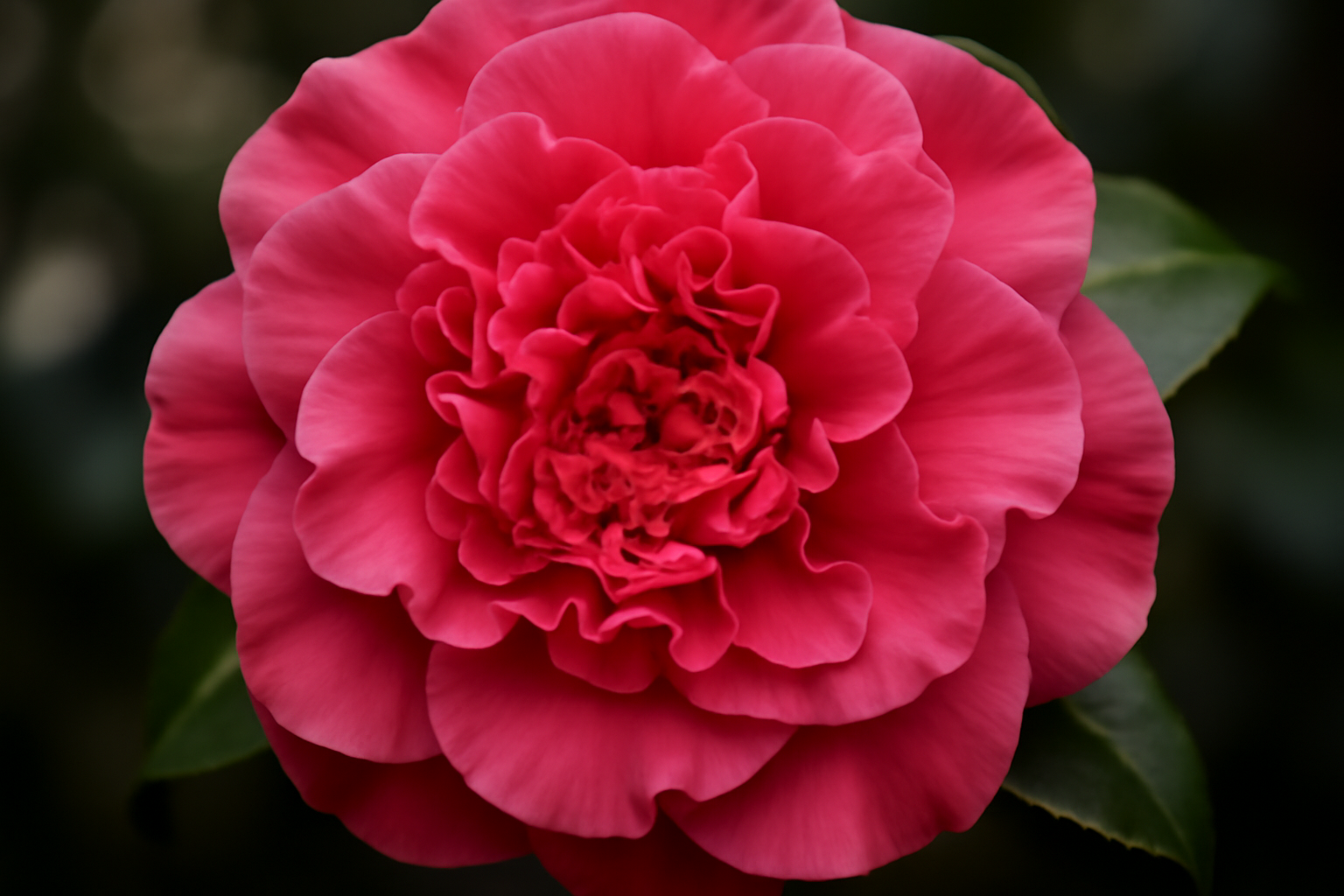
Hi there! I’m Helen Pritchard, and for over two decades, I’ve immersed myself in the enchanting world of camellias right here in the beautiful Pacific Northwest. With more than 200 named cultivars to my name—including sasanquas, japonicas, reticulatas, and hybrids—I’ve learned a thing or two about these stunning blooms. I love to share my practical, experience-based insights with fellow gardening enthusiasts, hoping to inspire others to create their own camellia-filled havens.
Let me tell you, when it comes to camellias, reticulatas are often the unsung heroes that many gardeners overlook. I was one of them once! I’ll never forget the day I nearly walked past a spectacular Camellia reticulata ‘Captain Rawes’ at a specialty nursery in coastal Georgia about fifteen years ago. There it stood, with flowers as large as my open palm, petals glowing with a vibrant flamingo hue. At that moment, I realized I didn’t know as much as I thought I did about camellias. That experience ignited my passion for exploring the world of reticulatas, and I can confidently say they have reshaped my entire understanding of what a camellia flower can be.
For those of you considering adding reticulatas to your garden, let me assure you that you’re in for a treat. These magnificent flowering shrubs thrive in USDA zones 8a through 10b, showcasing blooms that can reach an astonishing 5 to 9 inches across. However, growing them comes with its own set of challenges. After more than fifteen years of nurturing them in my zone 8a and 8b gardens, I’m excited to share what I’ve learned along the way.
How Reticulata Sets Itself Apart From Japonica and Sasanqua
Most gardeners start their camellia journey with Camellia japonica, and for good reason—they’re reliable, cold-tolerant, and easy to find at any garden center. Sasanquas, on the other hand, bring a delightful touch of toughness, blooming in autumn when most gardens are settling down for winter. But reticulatas? They are in a league of their own. Originating from the mild, subtropical climate of Yunnan Province in China, they come with specific cultural needs that can be quite different from their japonica and sasanqua cousins.
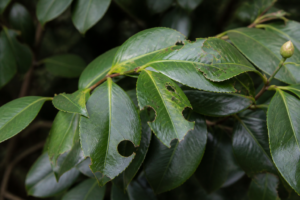
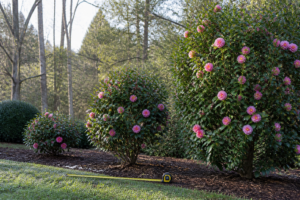
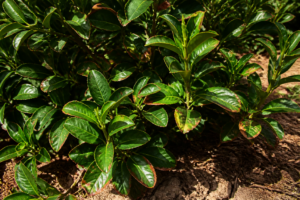
In a warm climate, reticulatas can grow into substantial shrubs, reaching heights of 10 to 20 feet. Their leaves are larger and have a unique rough, net-like texture—just like the name suggests, as reticulata translates to “net-veined” in Latin. Even a young ‘Crimson Robe’ in my garden displays bolder, more tropical foliage compared to my nearby japonicas.
Flowering generally spans from late winter to mid-spring—in my zone 8a garden, that’s roughly from February to April. This timing often overlaps with the later japonica varieties, creating opportunities for some truly stunning combination plantings. I’ve noticed that reticulatas typically bloom a few weeks later than the earliest japonicas, which can sometimes lead to challenges with late-season frosts here in the upper South. I’ll circle back to that point shortly.
Standout Camellia Reticulata Varieties to Consider
Now, let’s dive into the fun part—choosing the right varieties! With hundreds of named cultivars available, ranging from pure species to hybrids, there’s a lot to explore. Below are some of the standout varieties that I’ve grown in my own garden, along with my honest take on each.
‘Captain Rawes’ — Where My Obsession Began
‘Captain Rawes’ is steeped in history, having first made its way to the West back in 1820. Its semi-double blooms are a deep carmine-rose and can measure around 6 inches across. While the flower form isn’t the most refined, the dramatic impact is undeniable. This cultivar thrives in zone 8b but can also do well in zone 8a if you choose a good spot. I find that placing it against a sheltered, south-facing wall allows it to shine beautifully.
‘Crimson Robe’ — The One I Reach for First
When it comes to recommendations, ‘Crimson Robe’ is at the top of my list for anyone starting with reticulatas. Its deep, true crimson blooms are semi-double, with ruffled petals that catch the light in a way that’s simply mesmerizing. In my zone 8a garden, it reliably blooms every February and March. It’s also relatively compact for a reticulata, usually maxing out around 10 to 12 feet, making it a perfect fit for an average-sized garden.
‘Shot Silk’ — Color That’s Hard to Photograph
‘Shot Silk’ is one of those varieties that never quite captures its beauty in photographs. In person, however, it’s absolutely stunning. Its semi-double blooms have a shimmering pink tone with an almost iridescent quality. From my observations, it tends to be a bit more tender than ‘Crimson Robe,’ so I keep mine in the most sheltered nook of my zone 8a garden. Even with that extra care, the flowers are well worth the effort.
Reticulata Hybrids: Combining Strengths From Both Sides
Many of the most garden-friendly reticulata varieties are actually hybrids—crosses between reticulata and japonica or sasanqua that enhance hardiness and adaptability. One standout is ‘Francie L.’ Its flowers are a deep rose-pink, semi-double, and can reach an impressive 7 to 9 inches across. It’s also one of the most award-winning camellia hybrids worldwide.
Another excellent choice is ‘Valentine Day,’ featuring a deep salmon-red, formal double bloom with a surprisingly neat growth habit for this type. I’ve had great success growing it in zone 8b. If you’re gardening in zone 7b and want to push the limits, ‘Lasca Beauty’ (a reticulata-japonica cross) offers that signature reticulata bloom size along with slightly better cold resilience—but I still recommend providing winter protection during harsh cold snaps.
Cultural Requirements: What These Shrubs Truly Need to Thrive
Let’s get down to the nitty-gritty because nailing the right conditions is essential for a flourishing reticulata. The following are key cultural requirements that I’ve found crucial in my own gardening experience.
Soil Acidity and Feeding
Like all camellias, reticulatas demand acidic soil—aim for a pH between 5.5 and 6.5. If your soil strays above 6.5, you’ll likely see yellowing foliage, sluggish growth, and fewer blooms. I check my soil pH every two years, without fail. If I need to acidify the soil, I work elemental sulfur into the soil around the drip line. While aluminum sulfate acts more quickly, it can build up to toxic levels, so I generally avoid it.
A mulch layer of pine bark or pine straw is a wise investment—it helps buffer soil temperature and slowly acidifies the soil as it decomposes. I keep about 3 inches of mulch around each camellia, ensuring it’s a few inches away from the trunk to prevent rot. In early spring, just as growth kicks off, I apply an acid-forming fertilizer specifically formulated for camellias or azaleas. I stop feeding entirely after July since later applications can promote tender new growth that won’t harden off before winter arrives.
Sunlight and Wind Protection
Reticulatas need more sunlight than your average japonica to bloom well. In my garden, the strongest performers receive morning sun with light shade in the afternoon. Too much shade leads to lanky growth and sparse flowering. On the flip side, intense afternoon sun in hot climates can scorch those oversized leaves and stress the plant during peak summer heat.
Protecting these shrubs from winter wind is crucial. Cold, drying winds can damage developing flower buds and even kill off branch tips. My healthiest reticulatas are nestled against south- or southeast-facing walls or tucked under the canopy of taller broadleaf evergreens for extra protection. This kind of microclimate can give you half a hardiness zone of extra warmth.
Drainage and Irrigation
Heavy clay soil and its tendency toward root rot claim more camellias than anything else, and reticulatas are no exception. If your soil drains poorly, consider building up the planting area or creating a raised, amended bed. I blend native soil with composted pine bark to improve both drainage and aeration. Consistent moisture is vital during the first two to three years while the roots establish themselves. After that, established plants can handle drought reasonably well.
A Mistake I Made — And How You Can Sidestep It
I’ll admit it—I’ve made my share of mistakes, and I see other gardeners repeat the same ones. When I first planted my ‘Crimson Robe’ in my zone 8a garden, I chose a spot that basked in glorious afternoon light. It seemed perfect on paper, but I overlooked one crucial detail: that location faced directly northwest—the exact direction from which our harshest winter winds blow.
That first January brought a hard freeze and relentless wind. Every flower bud turned brown and dropped off—not a single one survived. The shrub itself survived, but I got zero blooms that entire season. The following autumn, I moved it to a much more sheltered spot—which was no small task for a plant that had already been in the ground for nearly a year. Since that transplant, it has bloomed beautifully without fail every February.
The lesson here? Study your garden’s wind behavior before planting. Walk your property on a cold, blustery winter day and take note of where the wind really bites. That simple exercise can save you years of disappointment. I cover site selection in greater depth in my post on camellia planting and establishment, which I recommend reading before you break ground.
Matching Reticulata to Your Hardiness Zone (and Protecting It From Cold)
I want to be clear about hardiness zones because I often see overly optimistic assumptions about reticulatas. True Camellia reticulata species plants, like ‘Captain Rawes’ and ‘Crimson Robe,’ reliably thrive in zones 8b through 10b. In zone 8a, they can usually make it through most winters with good placement, though hard freezes dipping below 15°F can still cause some bud loss.
Zone 7b is genuinely tricky for most reticulatas. However, certain hybrids—especially those with hardier japonica parentage—may manage in zone 7b if given a protected microclimate. ‘Francie L’ and ‘Lasca Beauty’ are often good candidates for this. I’d still frame zone 7b as an experimental zone rather than a guarantee. Wrapping young plants in burlap and adding extra mulch over the root zone are essential if you’re testing these boundaries.
As a side note, my zone 7b garden serves as a trial ground rather than a display garden. Plants that thrived effortlessly in my zone 8a garden have perished there. Of all the plants I trial, reticulatas tend to be among the least forgiving when it comes to cold.
Pruning Practices and Ongoing Maintenance
These vigorous growers can transform into large screening shrubs or even small trees if left unpruned, which can work beautifully in the right setting. However, most home gardens require some size control. The golden rule is to prune right after flowering wraps up, before new growth begins pushing. Avoid pruning in fall or winter, as you risk cutting off flower buds that have already formed for the next season.
My routine includes light shaping every year, plus a heavier renovation cut every four to five years when a plant starts to outgrow its space. Reticulatas generally tolerate hard pruning well, sending out vigorous new shoots from older wood. Still, I avoid cutting into the main trunk unless absolutely necessary. For a deeper look into timing and techniques, check out my post on pruning camellias correctly.
Finding Reticulata Varieties for Your Own Garden
Now, finding quality reticulata varieties can be a bit of a challenge. Standard garden centers typically stock only the most common japonicas and sasanquas. To get your hands on quality camellia reticulata varieties, you’ll likely need to seek out specialty nurseries or mail-order suppliers. The American Camellia Society maintains a nursery directory that’s a great starting point for your search. Specialty camellia growers in California and the Pacific Northwest often carry the broadest online selection of reticulata cultivars.
If you’re ordering online, ask for well-established plants—minimum one-gallon size, and ideally even larger. Bareroot reticulatas can be risky, and I wouldn’t recommend them for anyone new to this species. From my experience, a healthy 3-gallon container plant will get you to that first bloom noticeably faster, with far less stress on both the plant and yourself.
Wrapping Up My Thoughts on Camellia Reticulata Varieties
Camellia reticulata varieties have genuinely transformed my garden. Nothing else in my landscape produces blooms of such grandeur—not in late winter, nor at any other time of year. Yes, they require more careful placement than a japonica, and they’re less tolerant of soggy soil and exposed sites. But witnessing a 7-inch ‘Francie L’ bloom open on a crisp February morning makes every ounce of extra effort feel worthwhile.
In practical terms, I advise starting with a hybrid cultivar like ‘Francie L’ or ‘Valentine Day’ to build your confidence with the species. Ensure you have the right soil pH before planting. Choose a sheltered, well-drained spot that gets morning sun. Then, simply wait. These shrubs have a long lifespan and only get better with age. The most magnificent specimens I’ve encountered were decades-old plants that had matured into true showpieces.
Bottom line: if you’re gardening in zone 8a or warmer and haven’t yet tried one of these beauties, this is the season to change that. Your future self will be thanking you every February for the next thirty years.
About This Article

Written by Helen Pritchard. Helen Pritchard is a lifelong gardener in the Pacific Northwest who has grown more than 200 named camellia cultivars over two decades. She writes practical, experience-based guides to camellia care, from variety selection and pruning to troubleshooting yellowing leaves and bud drop. More about this site.
Verify this against a primary source
Specifics change, and your situation may differ from the one described here. These are the authorities worth checking directly:
- American Camellia Society — cultivar registration and culture guides
- USDA Plant Hardiness Zone Map — zone verification for your location
- Royal Horticultural Society — camellia cultivation and pest guidance