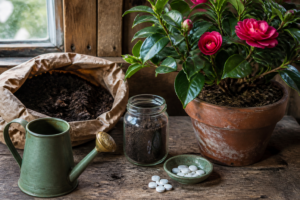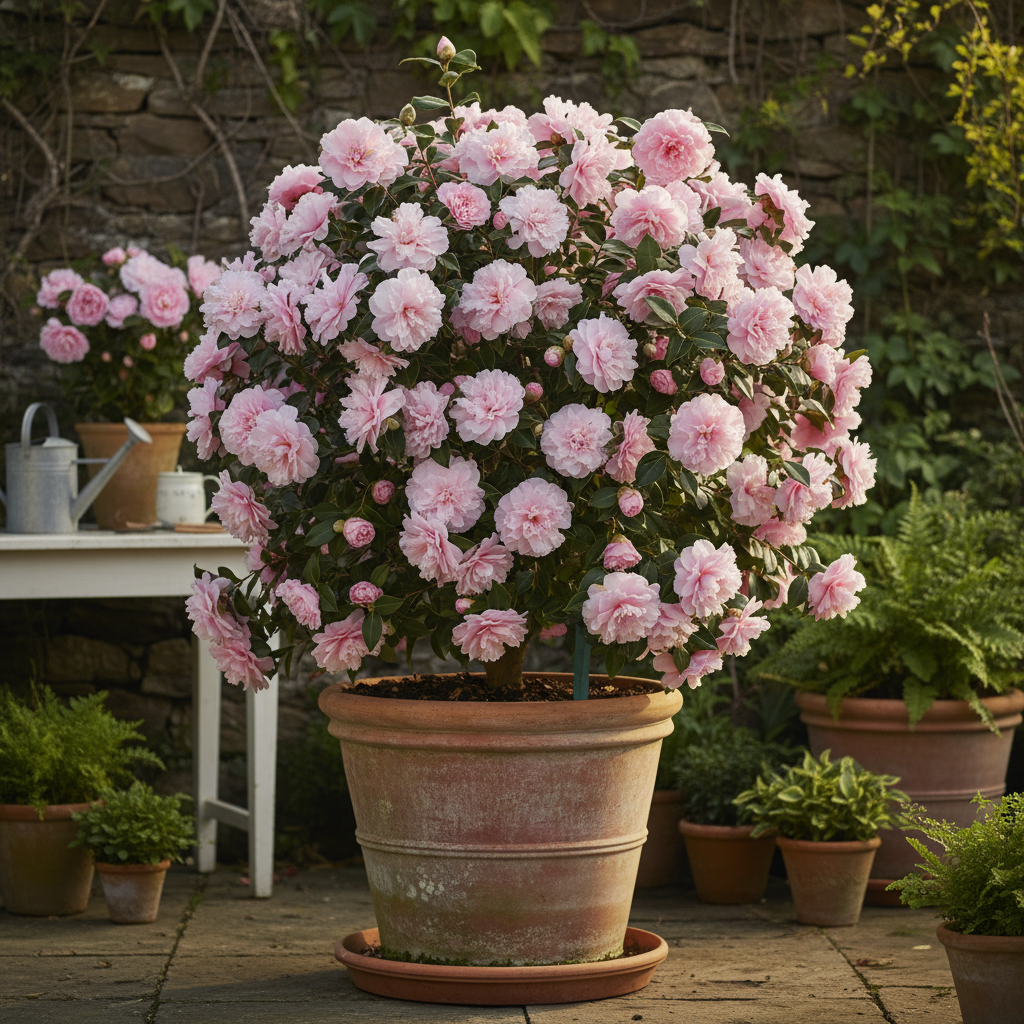

Eleven years back, I set a ‘Winter’s Star’ camellia into a north-facing corner of my Zone 6 garden, fully convinced that a nursery tag reading “cold hardy” meant the shrub would simply handle whatever winter threw at it. It didn’t. By February, the foliage had gone brittle and bronze, and I spent that entire spring second-guessing whether camellias had any business growing this far from Dixie. That setback taught me something no plant tag ever spells out: a hardiness rating tells you what a variety can technically survive, not what it actually needs to flourish. For generations, this shrub has reigned as the centerpiece of Southern landscapes, prized for its glossy foliage and rose-perfect blooms, but decades of quiet breeding work have reshaped what’s possible, and a new wave of tough cultivars now carries that same Southern polish into gardens well up into USDA Zone 6.
Why Northern Gardens Finally Have a Reason to Grow Camellias
Plenty of gardeners assume, without ever testing it, that camellias simply won’t survive where winters bite hard—and honestly, that assumption isn’t baseless. Classic Southern varieties genuinely struggle against prolonged freezes and the wild temperature seesaws typical of our Pacific Northwest climate. What’s shifted the picture entirely is a newer class of cultivars built specifically to handle that punishment. These northern-bred selections still deliver the lush blooms and structured evergreen form camellias are famous for, except now they’re engineered to shrug off a Zone 6 winter rather than fold under it.
Success with camellias in a cold climate hinges on more than cultivar selection alone—it also demands a real grasp of what these evergreens are up against once the temperature drops in the north. Moisture stripped from leaves by wind, late-season frost that scorches early buds, and soil heaving from repeated freeze-thaw swings are all hazards that gardeners in milder zones rarely have to think twice about. There’s a real learning curve, and I certainly faced my share of challenges and failures along the way.
The Quiet Threat of Winter Desiccation
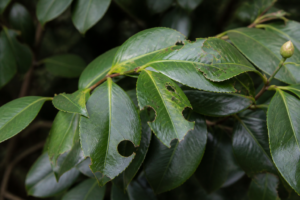
Northern winters throw a sneaky problem at cold-hardy camellias: desiccation. Even after the ground has frozen solid enough that roots can no longer draw up water, thin winter sun and drying wind keep siphoning moisture straight out of the evergreen leaves, leaving them scorched and brown once spring rolls around. This is precisely why an antidesiccant spray isn’t optional—it’s essential. I learned this lesson the hard way after watching my ‘Winter’s Dream’ suffer in the first winter after planting.
The tricky part about desiccation is that you don’t see it coming—the damage only shows up after the fact. A camellia can be perfectly rated for your zone’s coldest temperatures and still suffer, because if the foliage keeps losing moisture through weeks of dry winter air, the leaf cells break down, weakening the plant and slowing its return in spring. I found this out with my ‘November Rose’ camellia, which I had high hopes for. I’d chosen the right plants but skipped this one essential safeguard, and the results were disheartening.
What Held Up
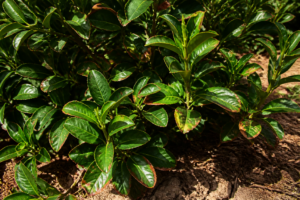
- Sprayed on in late October, the treatment left a visible waxy film that kept my ‘Winter’s Dream’ foliage looking green clear through February, while unprotected plants nearby turned dry and papery.
- Even when I reapplied mid-winter during a surprise warm stretch, the coating never clogged the leaf pores or triggered any fungal trouble.
- Come spring, the treated plants pushed new growth noticeably sooner and fuller—there was no winter-burn recovery lag to slow them down.
What Fell Short
- The spray does nothing to shield branches from an outright hard freeze—it only addresses moisture loss at the leaf surface—so hardy, zone-appropriate varieties like ‘Yuletide’ or ‘Shishi Gashira’ are still non-negotiable.
- Heavy rain strips the coating away, forcing a fresh application every four to six weeks, which becomes both a hassle and a real expense once you’re treating several plants.
I almost gave up on it after my first application seemed to bead off rather than stick, but I learned the foliage has to be completely dry for it to bond properly. Now I spray in the evening when humidity is lower. antidesiccant spray has truly become my best friend in winter.
Choosing a Planting Site With Microclimate in Mind
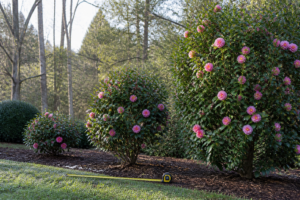
Spraying is only half the equation—the actual placement of your cold-hardy camellias carries just as much weight. An eastern exposure tends to work best, since it shields the plant from the intense afternoon winter sun that can accelerate moisture loss. Look for a spot that gets afternoon shade and stays out of the direct path of north winds—somewhere near a south-facing wall or tucked beneath mature evergreens tends to build exactly that kind of protective microclimate, the sort that separates a camellia that thrives from one that just barely hangs on. I’ve moved several plants to just such a spot after watching them struggle in harsher conditions.
Steer clear of low spots where cold air pools overnight, and never plant beneath a roofline where snowmelt drips down and refreezes directly on the foliage. I’ve watched otherwise tough camellias in my own garden get wrecked by repeated freeze-thaw cycles caused entirely by poor drainage around their base. My ‘Pink Perfection,’ for instance, became a victim of this mistake before I learned the importance of site selection.
Getting the Timing Right for Winter Protection
When you apply a desiccant spray, or any winter protection for that matter, timing makes or breaks its effectiveness. Wait too long and the season’s first drying winds have already done their damage; spray too soon and you’ll be reapplying nonstop as autumn drags on. For most Zone 6 gardens, late October hits the sweet spot, though it’s worth tracking your own local weather rather than relying on the calendar alone. The aim is to lay down that barrier right as temperatures begin their steady decline but before the harshest drying winds show up. I keep a close eye on weather forecasts during this time, noting when the first frosts are predicted.
If you’re growing camellias in containers—a strategy that’s become increasingly common for gardeners pushing tender shrubs into cold climates—wrapping the pot in burlap or relocating it somewhere sheltered protects the root zone from a kind of damage that potted plants remain vulnerable to even when their foliage is already well protected. I’ve even gone so far as to bring my pots into my garage during particularly brutal cold spells.
Assessing Damage Once Spring Arrives
Once spring sets in, hold off on reaching for the pruning shears the moment you spot foliage that looks damaged. A lot of camellias bounce back from mild desiccation as soon as fresh growth kicks in. I’ve since learned to wait until May, by which point it’s obvious which branches are genuinely dead and which are simply slow to rebound. Cutting too early strips away leaves that could still be photosynthesizing and helping the plant recover. My ‘Debutante’ taught me this valuable lesson when I mistakenly pruned too early in a fit of panic one spring.
About This Article

Written by Helen Pritchard. Helen Pritchard is a lifelong gardener in the Pacific Northwest who has grown more than 200 named camellia cultivars over two decades. She writes practical, experience-based guides to camellia care, from variety selection and pruning to troubleshooting yellowing leaves and bud drop. More about this site.
Verify this against a primary source
Specifics change, and your situation may differ from the one described here. These are the authorities worth checking directly:
- American Camellia Society — cultivar registration and culture guides
- USDA Plant Hardiness Zone Map — zone verification for your location
- Royal Horticultural Society — camellia cultivation and pest guidance