I’ll never forget the moment at last year’s winter garden society meeting when someone asked me, “Helen, which camellias smell nice?” The room fell silent. Three dozen camellia enthusiasts looked at me expectantly, and I had to deliver news that surprised almost everyone: most camellias don’t smell at all. Their faces fell. It was as if I’d told them their prized japonicas were actually plastic. But here’s the thing—while the vast majority of camellia varieties are frustratingly scentless, there are genuinely fragrant camellia varieties out there. They’re just rarer, more sought-after, and absolutely worth seeking out. After twenty years growing over 200 named cultivars across three USDA zones, I’ve learned which fragrant camellia varieties deliver real scent, and I’m here to share that hard-won knowledge with you.
Do Camellias Smell? The Honest Answer
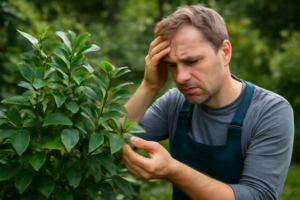
Let me be blunt: no, most camellias do not have fragrance. This is the most common disappointment I hear from new camellia growers. You buy a beautiful specimen with stunning pink or red blooms, plant it in pride of place, and wait for the intoxicating scent to waft across your garden. It never comes. The flowers are gorgeous—almost insultingly so. But they’re silent, scent-wise.
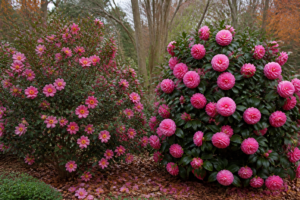
The standard Japanese camellia (Camellia japonica) that graces so many UK and US gardens? Typically scentless. The elegant sasanqua varieties? Also largely without fragrance. This is a botanical fact that surprises people, particularly those who assume all flowers with visual beauty must surely smell beautiful too. They’re wrong. In nature, camellias evolved to attract pollinators through appearance alone, not scent.
However—and this is important—a small, dedicated group of camellia cultivars does have genuine, detectable fragrance. These fragrant camellia varieties are the exceptions, not the rule. But when you find them, they’re magical.
Why Some Camellias Are Fragrant — The Species Behind the Scent
The fragrance genes in cultivated camellias come from specific wild species native to East and Southeast Asia. Understanding this helps explain why scented varieties are less common—they’re the result of deliberate breeding programs crossing fragrant species with the showy, large-flowered japonicas we all love.
Camellia lutchuensis is the star player here. This delicate species from the Ryukyu Islands produces small, white flowers with a sweet, jasmine-like fragrance. It’s not showy. The blooms are modest. But they smell wonderful. Breeders recognized this treasure and began crossing it with larger-flowered japonicas, creating modern hybrids that combine decent size with genuine scent.
Camellia transnokoensis is another contributor, offering similar small fragrant flowers. Then there’s C. fraterna and C. rosiflora—these lesser-known species also carry fragrance genes that breeders have tapped into. As a result, many of the fragrant varieties you’ll find today are hybrids descended from these wild ancestors.
This breeding history explains why fragrant camellias often have smaller flowers than their non-scented cousins. It’s the trade-off. You gain fragrance; you sacrifice slightly on bloom size. In my experience, it’s a bargain worth making.
The Most Fragrant Camellia Varieties — Helen’s Top Picks
Over twenty years, I’ve grown most of the commonly available fragrant camellia varieties. Some live up to the hype. Others promised the world and delivered a whisper. Here are the varieties I genuinely recommend, based on my own garden experience.
‘Scentuous’ — The Most Famous Fragrant Camellia
If there’s a celebrity among fragrant camellias, it’s ‘Scentuous’. Developed in New Zealand, this cultivar has become the go-to recommendation for anyone wanting camellia fragrance. For good reason.
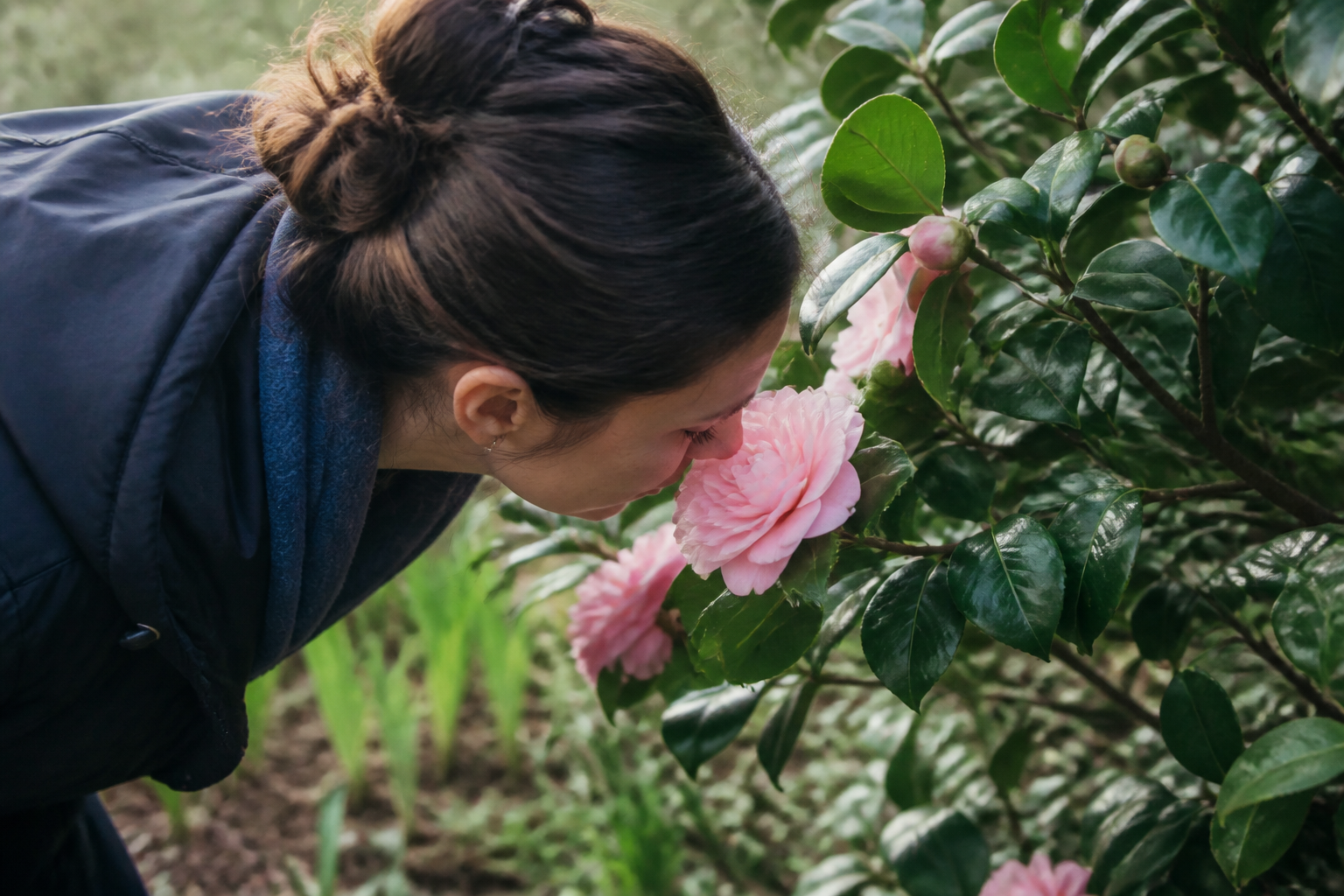
The flowers are pale pink, semi-double blooms that open from late winter into early spring. They’re not the largest or most complex camellia flowers you’ll ever see, but they’re charming. The real magic is in the scent: strong, honey-sweet, and genuinely noticeable even from a few feet away.
I have ‘Scentuous’ growing against a south-facing wall in my main garden, and it’s one of my most visited plants in January and February. When conditions are right—a warm, still day—the fragrance is unmistakable. On cold, wet days, it’s subtler, but still there.
Availability is generally good. Most specialist camellia nurseries stock ‘Scentuous’. It’s widely grown, popular, and reliable. If you’re new to fragrant camellias, start here.
‘High Fragrance’ — The Strongest Scent
If ‘Scentuous’ is the celebrity, ‘High Fragrance’ is the athlete. It’s a hybrid of Camellia lutchuensis, and it carries the strongest scent I’ve encountered in a japonica-type camellia.
The flowers are pale pink, full peony form, opening in late winter. Structurally, they’re beautiful—layers of petals creating that formal, rose-like shape camellia lovers adore. But the fragrance is the star. Sweet, almost like warm honey on a summer day. That’s my description, but every nose is different. To me, it’s the platonic ideal of camellia scent.
I keep a potted ‘High Fragrance’ in my conservatory each winter. It’s not hardy outdoors in my zone 7b garden during our coldest snaps, so the pot gets brought inside. There, it performs beautifully and perfumes the entire space. Even on cool days when outdoor fragrant camellias are subdued, ‘High Fragrance’ indoors releases its scent reliably.
One note: ‘High Fragrance’ can be slower-growing than some varieties. Be patient. Once established, it rewards you with consistent, impressive blooms year after year.
Other Fragrant Varieties Worth Growing
Beyond these two stars, I’ve had success with several other fragrant cultivars:
- ‘Cinnamon Cindy’ is unique. White to very pale pink flowers carry a distinctly spicy fragrance—genuinely different from the honey-sweet scent of ‘Scentuous’. It blooms in spring, has a compact habit, and is perfect for smaller gardens. Another C. lutchuensis hybrid.
- ‘Fragrant Pink’ delivers reliable fragrance in bright pink semi-double blooms. More compact than some taller varieties, making it easier to position where you’ll catch the scent regularly.
- ‘Fragrant Joy’ offers pale to medium pink flowers with a light, pleasant fragrance. It’s another C. lutchuensis hybrid, so it shares those genes for scent alongside the beauty.
- ‘Nicky Crisp’ is a favourite in the UK where I’ve visited gardens using it as an underplanted shrub. Pale orchid-pink blooms with light but genuine fragrance. Less vigorous than some, which makes it manageable.
- ‘Sweet Emily Kate’ produces white flowers with very strong fragrance. Another breeding product of C. lutchuensis, and one of the most reliably scented varieties I’ve grown.
- ‘Spring Mist’ is a delicate affair—very small pale pink flowers on a tidy plant. The fragrance is light, but in a quiet, understated way that I find charming. It’s a C. lutchuensis × C. japonica hybrid.
- ‘Brushfield’s Yellow’ is technically a primrose-yellow anemone with subtle fragrance, grown as much for its rare colour as its scent. It’s conversation-starting and genuinely unusual in the camellia world.
- ‘Minato-no-akebono’ is a Japanese cultivar less commonly available outside specialist circles. Pink fragrant blooms. If you see it, buy it.
When Does Camellia Fragrance Peak?
Here’s a mistake I made early on: assuming fragrant camellias would smell consistently all day, every day while blooming. They don’t. Temperature and conditions dramatically affect how much scent you actually detect.
Fragrant camellias are strongest in warm, still conditions. A sunny morning in late winter or early spring—when temperatures climb above 50°F (10°C)—is ideal. The warmth releases volatile oils in the petals, and those reach your nose most readily. On cold, grey, damp days, the same plant might smell faint or almost imperceptible.
Fragrance also varies from person to person. Some noses detect camellia scent immediately. Others find it more elusive. If you’re drawn to floral scents generally, you’ll likely pick up camellia fragrance readily. If you gravitate towards heavy musk or spice, camellia scent might seem subtle to you initially.
Specific timing matters too. Late afternoon when warmth has built up in sheltered spots often brings stronger fragrance than early morning, despite conventional wisdom about dew-fresh flowers. In my experience, the best time to visit a fragrant camellia is mid-morning on a mild day, when ground warmth has released scent but the day isn’t yet so hot that volatile oils have dispersed.
Where to Plant Fragrant Camellias for Maximum Effect
Placement is everything with fragrant camellias. You want them where you’ll walk past them regularly, and where conditions favour scent release.
A south-facing wall is ideal. It provides shelter from harsh winds, captures warmth, and brings flowers to nose level as plants establish and mature. The reflected heat warms the blooms, encouraging fragrance release. I have ‘Scentuous’ positioned this way, and it rewards that placement consistently.
A conservatory or enclosed porch is where I keep potted fragrant camellias like ‘High Fragrance’ during winter. Undercover, protected, and warm—these environments coax maximum fragrance out of every bloom. If you garden in a cold area and want camellia fragrance indoors, this is your strategy.
Avoid planting fragrant varieties in cold, exposed corners or in deep shade. You’re already compromising on flower size and quantity by growing scented varieties instead of vigorous non-scented types. Don’t also compromise on the conditions that make their fragrance shine.
Sheltered, warm, accessible—remember these three things when positioning fragrant camellias. They’re worth the planning.
Finding Fragrant Camellia Varieties — Where to Source Them
Here’s where frustration can set in: fragrant camellias are not stocked by general garden centres. I’ve looked. Many times. General nurseries carry non-scented japonicas because they’re vigorous, easy to grow, and widely familiar. Fragrant varieties require specialist knowledge and smaller-scale production.
You need a specialist camellia nursery. Tregothnan in Cornwall (a historic collection and working nursery) carries fragrant varieties. Nuccio’s Nurseries in California is legendary for camellia diversity, including excellent scented cultivars. In North America, look for regional camellia society recommendations—they’ll point you toward reputable specialist growers.
Online ordering from specialists is reliable. Fragrant camellias travel well as young plants. When ordering, specify your USDA hardiness zone and ask which varieties will perform in your climate. Don’t be shy. Specialist growers love talking camellias and will give honest advice about what will thrive for you.
Patience pays off. Source nurseries in advance. Join a local camellia society—members often have cuttings or plants to share, and the network is invaluable. I’ve obtained rare cultivars through society connections that I’d never have found commercially.
My Favourite Fragrant Camellia Combination
If I were starting a fragrant camellia collection from scratch, I’d choose three varieties to give you year-round scent and diversity:
- ‘Scentuous’ for late winter fragrance—reliable, widely available, and genuinely beautiful.
- ‘High Fragrance’ for the full sensory experience—the strongest scent, perfect indoors or in a warm sheltered spot.
- ‘Cinnamon Cindy’ for something a little different—spicy notes alongside the sweet, and ideal for smaller gardens.
These three give you a range of scent profiles, bloom times, and growth habits. Together, they cover the spectrum of fragrant camellia varieties.
The Bottom Line on Fragrant Camellia Varieties
Yes, most camellias are scentless. That’s the honest truth. But fragrant camellia varieties exist, and they’re absolutely worth seeking out. They’re descended from wild species that nature gifted with scent genes. Modern breeders have taken those genes and created hybrids combining real fragrance with the flower structure and vigour that make camellias garden stars.
Don’t settle for what your local garden centre has in stock. Invest the effort to source fragrant varieties from specialists. Plant them in warm, sheltered, accessible spots. Visit them on mild mornings. Let them work their quiet magic in your garden.
After twenty years growing camellias, I can tell you: a blooming ‘Scentuous’ or ‘High Fragrance’ in late winter, releasing its honey-sweet scent on a still morning, is worth every bit of the hunting and planning it takes to make it happen. That’s why I grow fragrant camellia varieties. That’s why you should too.
—