This post contains affiliate links. As an Amazon Associate, I earn from qualifying purchases at no extra cost to you.
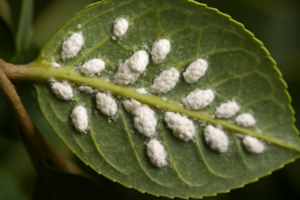
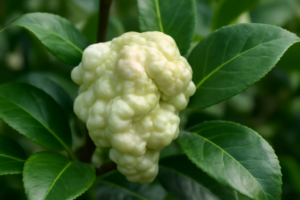
Last spring, I walked out to my back garden and felt my stomach drop. A dozen of my most treasured camellias — plants I had nurtured for over two decades in my Zone 8b garden — were coated in what looked like a dusting of grey-white ash. Closer inspection confirmed my fear: camellia scale. A heavy infestation. The kind that doesn’t apologize. If you’ve been searching for a real-world take on using neem oil spray camellia scale treatments, you’ve found the right place.
Scale insects on camellias are sneaky. They spend most of their lives looking like harmless waxy bumps. By the time you spot the yellowing leaves and the sticky honeydew coating the soil below, they’ve already been feeding for months. I’ve dealt with minor outbreaks before. This, however, was something else entirely.
I needed a solution that was effective, wouldn’t wreck my soil pH (I work hard to keep it between 5.5 and 6.5 for my camellias), and wouldn’t harm the beneficial insects in my garden. That search led me straight to neem oil — and ultimately to one specific product I want to tell you about today.
Why I Chose Bonide Captain Jack’s Neem Oil
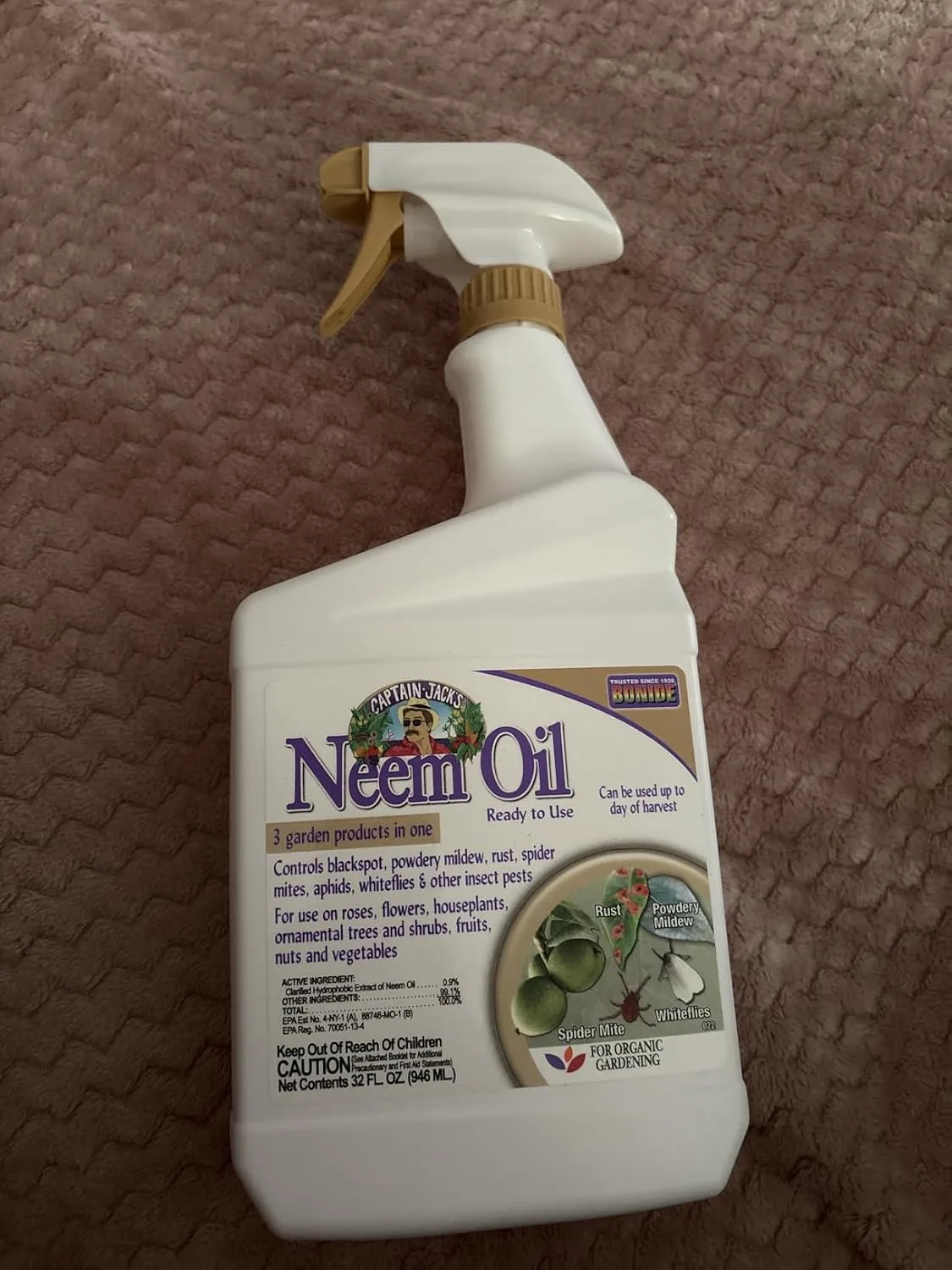
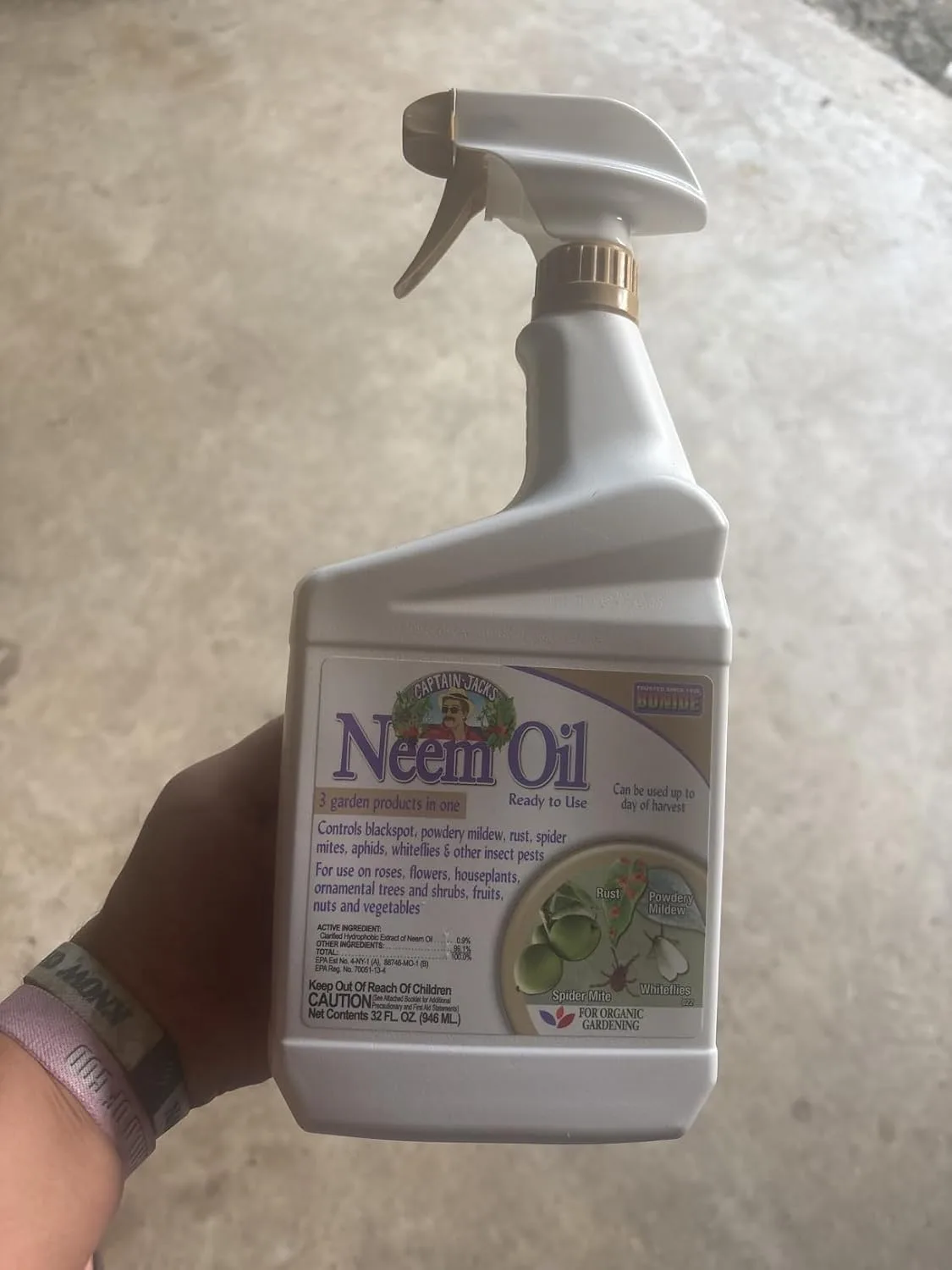
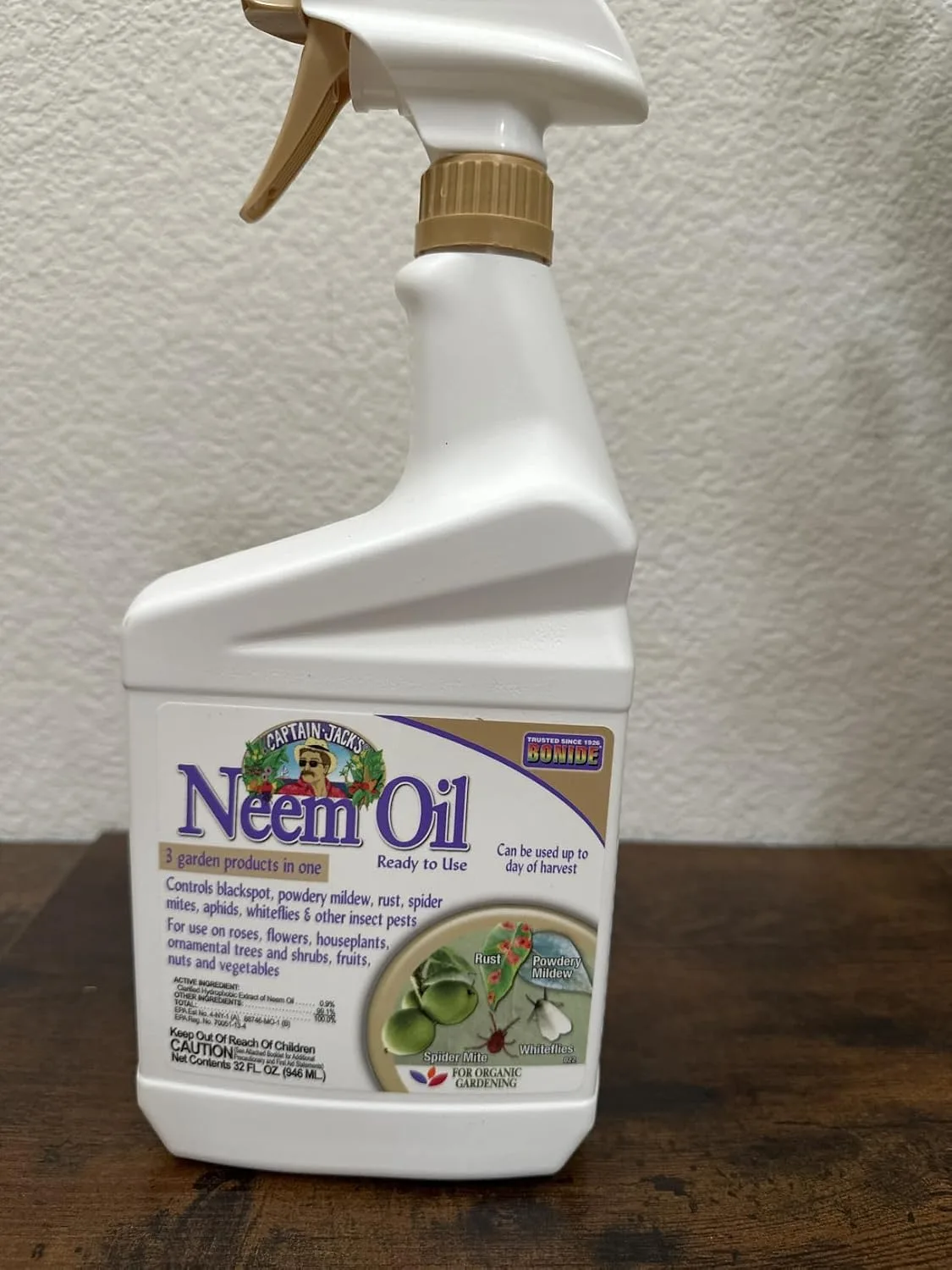
I didn’t buy the first neem oil I found. I spent about two weeks reading university extension service reports, camellia forum threads, and product reviews before committing. Several experienced growers in the American Camellia Society forums had mentioned Bonide Captain Jack’s Neem Oil, 32 oz Ready-to-Use Spray by name. That repeated, unsolicited mention carried weight.
There were practical reasons too. The ready-to-use formulation was a major selling point. I’m not against mixing concentrates, but during a bad infestation, I wanted to grab and spray — not measure and dilute. At 32 ounces, the bottle size is also generous enough for treating multiple plants without constantly reordering.
Beyond convenience, the science made sense to me. Neem oil’s active compound, azadirachtin, works as both an insect growth regulator and a suffocant for soft-bodied pests. For scale insects, which are notoriously difficult to kill with contact sprays, this multi-mode action is genuinely valuable. As a fungicide, it also addresses the sooty mold that almost always follows a scale infestation — two problems, one product.
On the other hand, I did seriously consider a concentrate. Concentrates are often more economical per ounce. Ultimately, ease of use won out during what felt like a gardening emergency.
First Impressions Out of the Box
The bottle arrived well-packaged, no leakage — which matters more than people think with oil-based products. The spray nozzle has a simple twist-to-lock mechanism. It felt sturdy and didn’t drip between applications, something I’ve fought with on cheaper sprayers.
The smell is distinctive. Neem oil has a strong, earthy, slightly sulfurous odor that I can only describe as “aggressively organic.” It doesn’t linger badly outdoors, but I wouldn’t apply it right before garden guests arrive. Fair warning given.
Reading the label, I appreciated the clear application instructions. Spray to the point of runoff, coat both sides of leaves, apply in early morning or evening — all the details a gardener actually needs. The label also specifies it’s suitable for organic gardening programs, which aligns with my approach. Overall, first impressions were solidly positive.
My Testing Approach: Which Plants, What Conditions
I treated a total of fourteen camellia plants over a six-week period beginning in late April. My test group included a mix of varieties, specifically:
- Camellia japonica ‘Professor Charles S. Sargent’ — an older, large-growing plant most heavily infested
- Camellia japonica ‘Debutante’ — a lighter infestation, used to track early response
- Camellia sasanqua ‘Setsugekka’ — fall-blooming, included to observe any spray sensitivity
- Camellia japonica ‘Nuccio’s Gem’ — a double white I’m particularly protective of
My garden sits in Zone 8b, in the Southeast United States. Temperatures during the treatment period ranged from the low 60s to the mid-80s Fahrenheit. I applied every seven to ten days, always in the early evening to avoid leaf burn from oil on hot, sun-exposed foliage.
Application involved thorough coating of all leaf surfaces, stems, and the visible bark of lower branches. I used a full 32-ounce bottle across the first two applications alone, which gives you a sense of the coverage required for mature plants. I ordered a second bottle before the third application.
Soil and Plant Health Context
My soil pH was sitting at approximately 5.8 at the start of treatment — right in the sweet spot for camellias. I mention this because stressed plants in poor soil recover differently. These camellias were otherwise healthy, well-established, and mulched with pine bark, which helps maintain that acidic range naturally.
I did not apply any fertilizer during the treatment period. Stressing a pest-infested plant with a nitrogen push can sometimes backfire. Stability was the goal while the neem oil did its work.
Neem Oil Spray Camellia Scale Results: What Actually Changed
By the end of week two, I was honestly underwhelmed. The scale insects still looked active. A few dead ones appeared near the most heavily sprayed stems, but the overall coverage of scale on ‘Professor Charles S. Sargent’ looked almost unchanged. I questioned whether I had wasted my money.
That moment of doubt was real. I nearly ordered a systemic insecticide as a backup. Looking back, I’m glad I didn’t rush.
By week three, the shift became visible. Dead scale shells — the pale, empty kind — began appearing in greater numbers. The crawlers (juvenile scale insects, the most vulnerable life stage) appeared to be dropping off. Fresh growth on ‘Debutante’ and ‘Nuccio’s Gem’ looked clean and unaffected by new scale activity.
Week-by-Week Progress
Here’s a simple breakdown of what I observed over six weeks of using Bonide Captain Jack’s Neem Oil, 32 oz Ready-to-Use Spray:
- Weeks 1–2: Minimal visible change. Some dead scale on stems. Sooty mold appeared to be softening.
- Week 3: Clear increase in dead scale shells. No new crawlers visible on treated foliage. Sooty mold began flaking off naturally.
- Week 4: Significant reduction. ‘Debutante’ and ‘Nuccio’s Gem’ looked essentially clear. ‘Professor Charles S. Sargent’ still showing older scale shells but no live activity.
- Weeks 5–6: Continued improvement. New foliage on all plants emerged clean. Sooty mold largely resolved on previously affected leaves.
By the end of week six, I would estimate 85–90% control on the lighter infestations and roughly 70–75% control on ‘Professor Charles S. Sargent.’ That older, heavily infested plant would need one more treatment cycle to fully clear, but the trajectory was unmistakably positive.
Specifically, the sooty mold resolution was faster than I expected. Sooty mold is a fungal growth that feeds on honeydew secreted by scale and other sucking insects. Once the scale population collapsed, the mold had no new food source — and the fungicidal properties of the neem oil appeared to accelerate its decline. That dual action genuinely impressed me.
No leaf burn occurred on any of the four varieties, including the sasanqua ‘Setsugekka,’ which I had been most cautious about. That was a relief.
The Downsides You Should Know Before Buying
Honesty matters here. This product is not a miracle cure, and several limitations are worth knowing upfront.
It is slow. If you expect dramatic results in the first week, you will be disappointed. Neem oil works primarily on crawlers and through repeated disruption of the insect lifecycle — not through instant knockdown of armored adult scale. Patience is genuinely required.
Coverage is labor-intensive. Large, mature camellias have a lot of leaf surface area. Thorough application takes time and product. One 32-ounce bottle will not stretch far on established plants. Budget for multiple bottles before you start.
The smell is a real issue for some people. I garden alone and don’t mind it. However, if your camellias are near a patio or entry path, plan your application days carefully.
Severe infestations may need help. For extremely heavy scale — the kind that has been building for two or more seasons — neem oil alone may not be sufficient. In those cases, a horticultural oil spray in late winter (targeting overwintering scale before eggs hatch) paired with neem oil during the growing season is a more complete strategy.
Finally, this product should not be applied during bloom. Oil sprays can damage open flowers and affect beneficial pollinators visiting them. Time your applications carefully around your camellias’ flowering windows.
Final Verdict: Who Should Buy This Product
After six weeks of real-world testing, here is my honest conclusion: Bonide Captain Jack’s Neem Oil, 32 oz Ready-to-Use Spray is genuinely effective for treating neem oil spray camellia scale infestations — provided you have realistic expectations and commit to the full treatment cycle.
I’d give it a strong 4 out of 5 stars for camellia-specific use.
Buy This If:
- You have a light to moderate scale infestation on established camellias
- You prefer organic-approved treatments that won’t disrupt your soil ecosystem
- You want a product that handles both scale insects AND sooty mold simultaneously
- You’re a patient gardener willing to commit to a 4–6 week treatment program
- You garden in USDA Zones 7–10 where camellias are commonly grown
Consider Alternatives If:
- Your infestation is severe and has been building for multiple seasons
- You need fast knockdown results within days, not weeks
- You have only a small number of container camellias (a smaller bottle may make more economic sense)
A Note on the Runner-Up: Natria Neem Oil Spray
If Bonide’s formula isn’t available or you’re treating a smaller collection, Categories Pests, Tools & Product Reviews