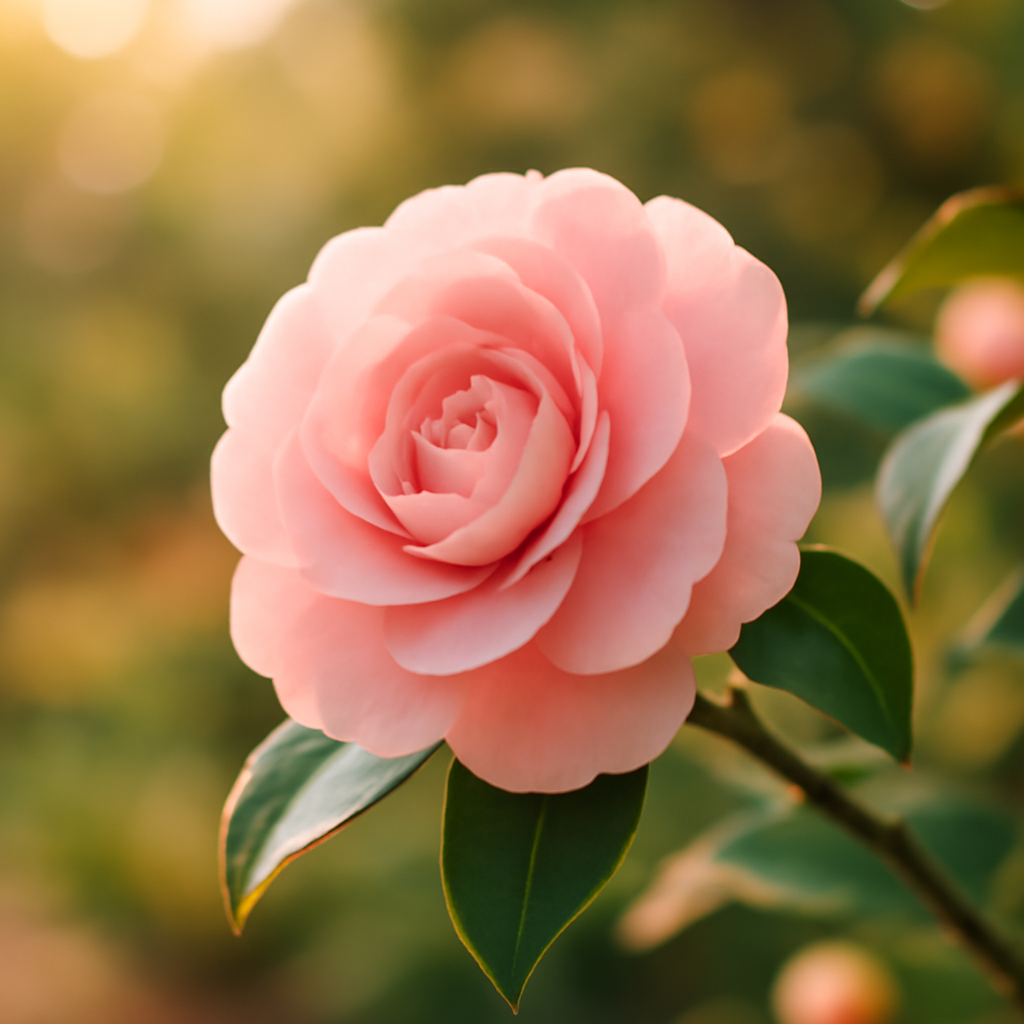

Zero—that’s how many of the five senses most garden plans actually engage, since nearly every decision about color, texture, and shape is built entirely around what the eye can catch. Scent rarely enters the conversation at all. Yet a garden that only performs visually is missing an entire layer of experience, the kind that turns a walk past the flower beds into something you feel in your chest before you even look up.
I used to treat scented camellias as a minor bonus, something nice if it happened but never a real planning priority. That changed the year I tucked ‘Scentsation’ beside my back patio. One chilly late-autumn morning, a wave of spiced honey scent rolled straight through my open kitchen window, and I realized I’d been gardening with my nose shut off for years. These days, I wouldn’t build a camellia collection without setting aside space specifically for varieties chosen for how they smell, not just how they look.
Here’s the catch: nurseries stock far fewer fragrant camellias than unscented ones, and even among the scented types, plenty underdeliver depending on where you garden. I’ve spent several growing seasons putting different cultivars through their paces to figure out which ones actually follow through on their fragrance claims. What follows are seven fragrant camellia bushes that have earned a permanent spot in my garden—not solely for their perfume, but for how well they perform and look while they’re at it.
The pH Fix That Cured My Fragrant Camellias of Sulking
Before we get into specific cultivars, there’s a problem worth tackling head-on: fragrant camellias are picky about soil acidity in a way that borders on unreasonable, particularly in pots. I found this out the hard way, and it cost me two growing seasons before I connected the dots.
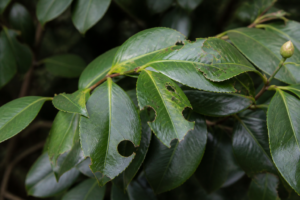
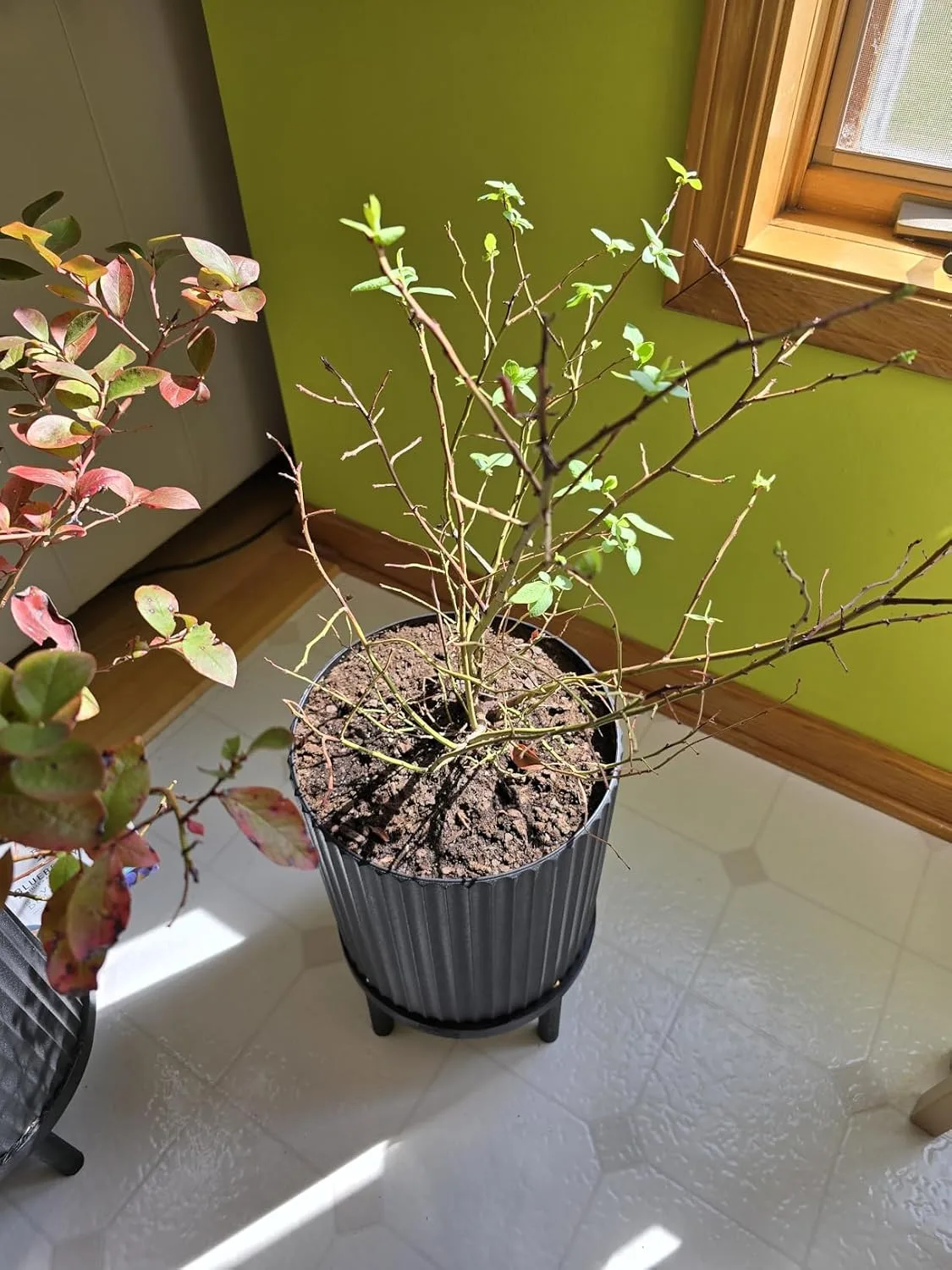
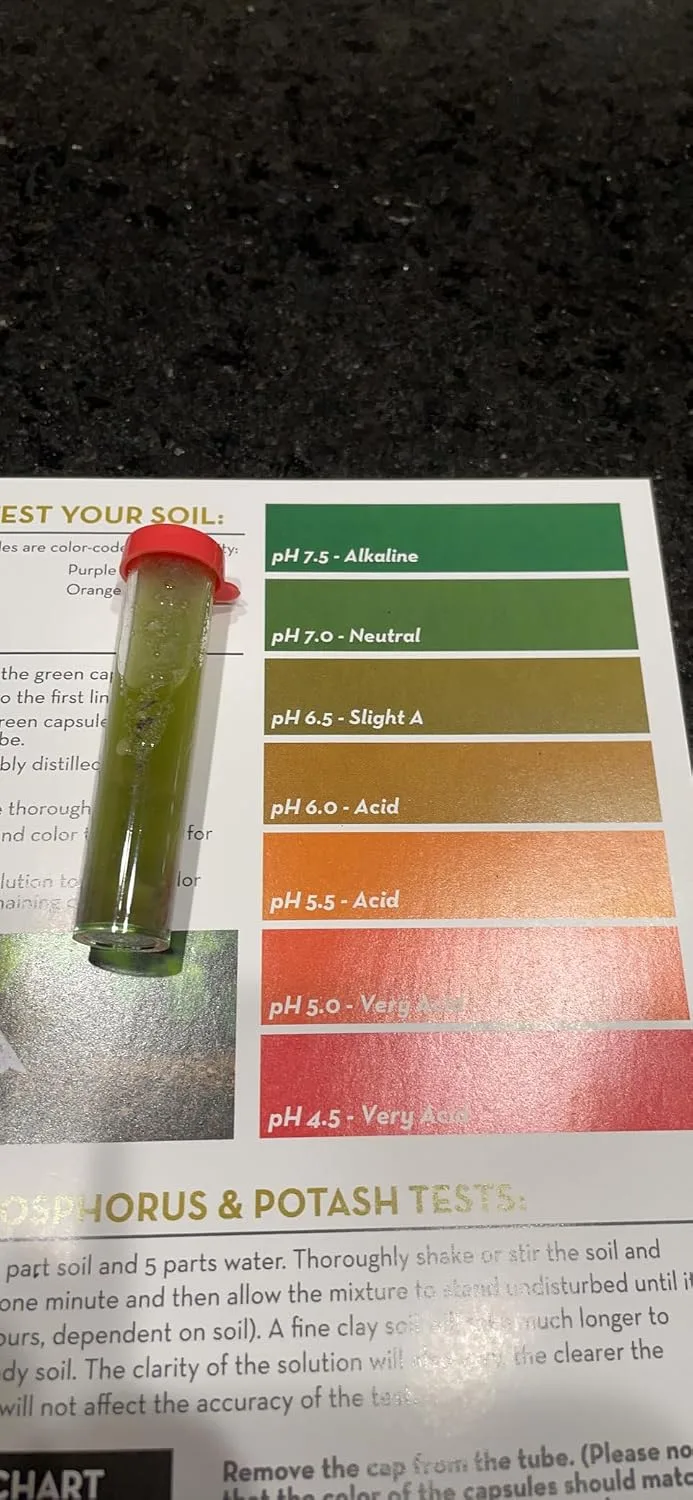
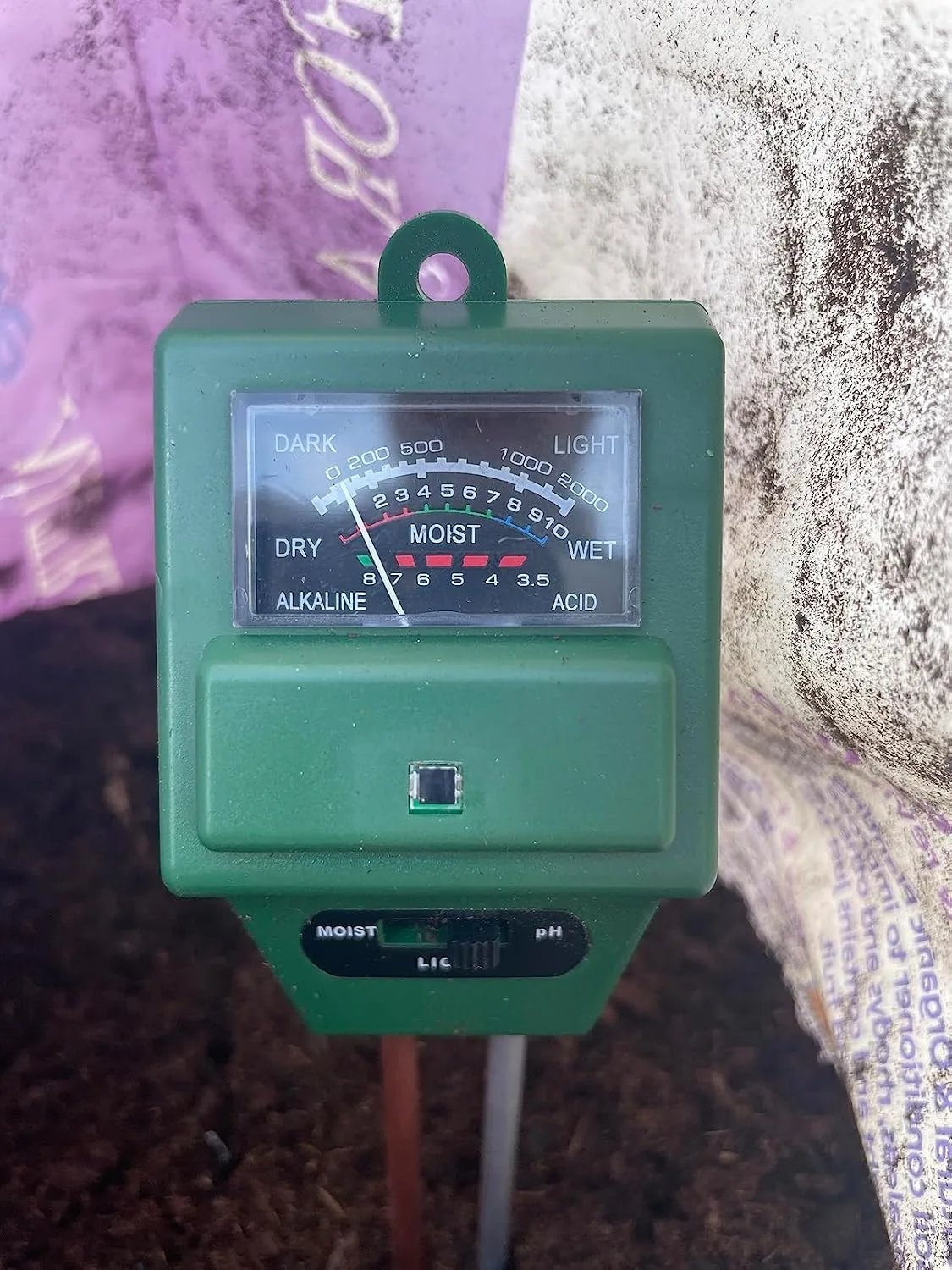
I nearly gave up on growing camellias in containers after two years of sickly yellow leaves and not a single flower, fully prepared to write the plants off as impossible to please. Then I finally checked my soil’s pH and discovered the fault was mine all along. Fragrant camellias in pots are genuinely picky about acidity. Drop one into ordinary potting mix, and you’ll watch it yellow, drop its buds, and quietly refuse to bloom—no matter how carefully you otherwise care for it.
Where It Paid Off
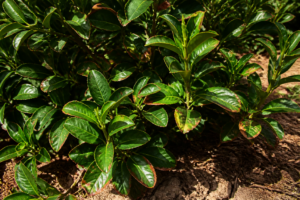
- New growth on my potted fragrant varieties turned a healthy deep green, a stark contrast to the washed-out, chlorotic leaves I’d been putting up with for two seasons straight.
- Flowering picked up noticeably—my ‘Scentsation’ finally bloomed on schedule, compared to the handful of flowers, sometimes only three, I’d gotten in previous years.
- Simply swapping out the top four to six inches of soil around my in-ground plants gave them a visible boost without the shock of a complete repotting.
Where It Falls Short
- The cost runs noticeably higher than standard potting soil, and if you’ve got several containers going, you’ll go through bags faster than you’d like.
- Acidity doesn’t hold steady forever, especially with alkaline tap water, so this isn’t a one-time fix—expect to check and adjust it every season.
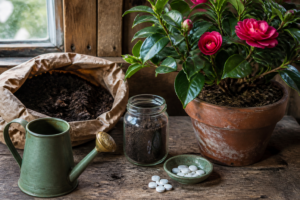
Grab some acidic potting soil specifically formulated for acid-loving plants. Look for blends that include peat moss or coir, pine bark, and perlite in roughly equal proportions. For in-ground plantings, amend heavy clay soils with sulfur and compost to lower pH before planting. The investment pays dividends once your fragrant camellias start flowering reliably.
Seven Camellia Varieties Worth Growing for Their Scent
Once your soil is sorted, you’re in a position to choose cultivars that will genuinely fill your garden with fragrance. The varieties below are the ones I keep coming back to, tested in my own beds and cross-checked with what other camellia growers report seeing in theirs. Each one brings a different strength to the mix, whether that’s a bold spiced perfume, a softer sweetness, or blooms you can count on year after year.
1. Camellia ‘Scentuous’
Developed in New Zealand by hybridizer Mark Jury, ‘Scentuous’ throws off clusters of small white, star-shaped blooms with a fragrance so intense—almost tea-rose-like—that it can genuinely carry several feet on a calm morning. In my garden, it flowers from January through early March, exactly when little else outside is offering any scent at all. It’s also sturdier in cold than you’d expect from a Camellia lutchuensis hybrid, thriving in zone 8 and, by some accounts, making it through zone 7b winters with a bit of protection. Individually the flowers are modest in size, but they show up in such numbers that both the visual display and the perfume punch well above their weight.
2. Camellia ‘High Fragrance’
When someone wants the boldest scent I can point them to, this is it. The pale pink, informal double blooms run larger than you’d expect from a fragrant hybrid, and the perfume itself is deep, warm, and long-lasting—leaning toward honey rather than the lighter sweetness found elsewhere on this list. The catch is a greater vulnerability to petal blight during rainy spring stretches, so mine grows under a generous eave where rain can’t reach the blossoms directly, with enough open space around it for airflow to do its job.
3. Camellia ‘Cinnamon Cindy’
For something that breaks from the usual honeyed sweetness, ‘Cinnamon Cindy’ offers a warm, spicy note I find hard to resist. The blooms are small, white, and fully double, showing up heavily from November through January. It also stays compact, which makes it a strong option for container growing—mine sits in a big terracotta pot right by my back door, so I get a whiff of it every time I walk out in winter.
4. Camellia ‘Fragrant Pink’
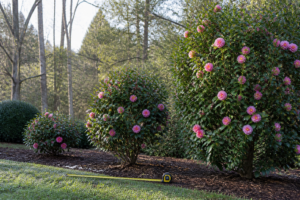
‘Fragrant Pink’ is typically the first variety I suggest to anyone just starting out with scented camellias. Its soft rose-pink, peony-shaped flowers carry a light, sweet fragrance with a hint of spice, blooming from late February into March—a nice bridge into spring once the earlier winter bloomers have wrapped up. It stays tidy, generally topping out near six feet without heavy pruning, and it’s handled my dense clay beds surprisingly well once I worked in plenty of pine bark and kept the pH on the acidic side.
5. Camellia ‘Fragrant Joy’
Another cultivar bred from C. lutchuensis, ‘Fragrant Joy’ produces pale to medium pink flowers carrying a mild, agreeable scent—quieter than ‘High Fragrance,’ but still noticeable on a mild afternoon. I plant it to stretch the fragrant season in beds already anchored by flashier, scentless japonicas. It rounds things out nicely, asking for nothing beyond the acidic soil and steady moisture every fragrant camellia on this list needs.
6. Camellia sasanqua ‘Survivor’
Sasanquas don’t usually make the fragrant-camellia conversation, and for a long time I didn’t think of them that way either. ‘Survivor’ proved me wrong. Its flowers give off a light, clean sweetness—subtler than the lutchuensis hybrids above, but noticeable and pleasant, especially on a mild late-autumn afternoon. It blooms October through December, covering the fragrance gap right before the winter bloomers take over. It’s also the toughest plant on this list by far: it handles heat well, tolerates drought once it’s settled in, and shrugs off cold clear into zone 7b—a solid entry point if you want fragrance without a lot of babying.
7. Camellia ‘Sweet Emily Kate’
I added ‘Sweet Emily Kate’ to my collection after several other growers kept mentioning it, and it’s turned into one of the most dependably fragrant plants I own. Its white flowers carry a strong, clean scent—another gift from C. lutchuensis breeding—that keeps performing even on cool days when some of my other fragrant varieties go quiet. Give it the same acidic, well-draining soil the rest of this list needs, and it won’t ask for much else.
Pick one or two cultivars that match your climate and the size and bloom window you’re after. Once you’ve gotten comfortable growing fragrant camellias, you’ll likely start chasing down rarer cultivars on your own. That’s really where the enjoyment—and the most unforgettable scents—takes off.
About This Article

Written by Helen Pritchard. Helen Pritchard is a lifelong gardener in the Pacific Northwest who has grown more than 200 named camellia cultivars over two decades. She writes practical, experience-based guides to camellia care, from variety selection and pruning to troubleshooting yellowing leaves and bud drop. More about this site.
Verify this against a primary source
Specifics change, and your situation may differ from the one described here. These are the authorities worth checking directly:
- American Camellia Society — cultivar registration and culture guides
- USDA Plant Hardiness Zone Map — zone verification for your location
- Royal Horticultural Society — camellia cultivation and pest guidance