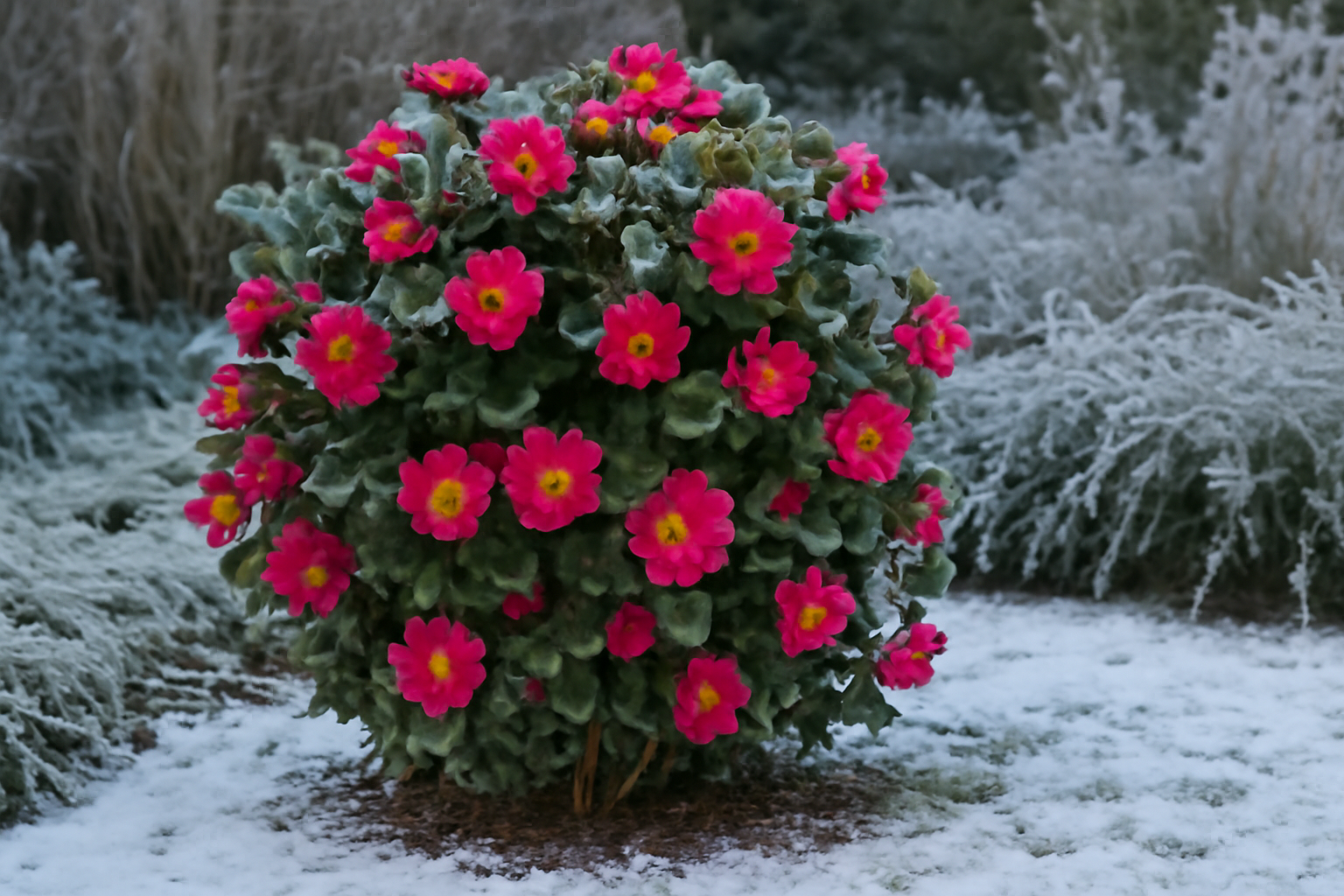
A few winters ago, I stood at my garden gate staring at what I was convinced was a dead camellia. We’d had a brutal cold snap — temperatures dropped to 0°F overnight — and my beautiful ‘Korean Fire’ had turned every leaf crispy brown. I nearly dug it out. Instead, I waited. By late April, tiny green buds pushed out from every stem, and by June it looked better than ever. That moment changed how I think about growing a cold hardy camellia in Zone 6. These plants are tougher than they look, and with the right variety selection, you can grow them successfully even in climates that would have seemed impossible just a few decades ago.
Why Cold Hardy Camellia Zone 6 Growing Is Now a Real Possibility
For most of camellia history, Zone 7 was considered the northern limit. Anything colder than that meant dead plants, heartbroken gardeners, and a lot of wasted money. Fortunately, decades of dedicated breeding work — particularly from the U.S. National Arboretum and hybridizers like Dr. William Ackerman — completely changed the picture.
Dr. Ackerman spent years crossing cold-tolerant species to produce camellias that could genuinely handle Zone 6 winters. His work introduced us to the ‘Ackerman hybrids,’ a group of plants now widely considered essential for northern camellia growing. These aren’t just barely-surviving novelties. In my experience, several of them bloom reliably, grow vigorously, and look every bit as beautiful as their tender southern cousins.
The Best Cold Hardy Camellia Varieties for Zone 6
Let me walk you through the varieties I actually recommend — not just names I’ve read about, but plants I’ve grown, watched fail, watched recover, and learned from directly.
Winter’s Interlude and the Ackerman Hybrids
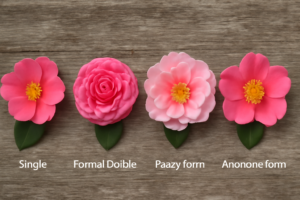
‘Winter’s Interlude’ is probably the variety I recommend most to Zone 6 gardeners. It’s a small-flowered, anemone-form bloom in pale lavender-pink, and it’s rated hardy to -10°F in protected conditions. That puts it solidly in Zone 6a territory. My own plant has survived three consecutive winters below 5°F without significant dieback.
Other standout Ackerman hybrids worth considering include ‘Winter’s Star,’ which produces deep rose-purple flowers in October and November, and ‘Winter’s Snowman,’ a clean white bloomer that I find particularly striking against bare autumn branches. ‘Winter’s Hope’ is another excellent choice — it blooms earlier than most, sometimes starting in late September in my Zone 7b beds.
Korean Fire and the Camellia oleifera Connection
‘Korean Fire’ deserves its own paragraph. This is the plant I almost gave up on — the one I described standing over in despair at the start of this post. It’s derived partly from Camellia oleifera, the tea-oil camellia, which is native to higher elevations in China and carries remarkable cold tolerance in its genetics.
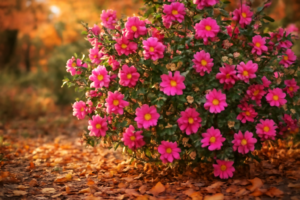
Rated to -10°F, ‘Korean Fire’ produces small, single red flowers in October. They’re not showy in the way a big formal double japonica is showy. However, they have an elegant simplicity that I’ve come to love more every year. The foliage is also slightly different from typical camellia leaves — a bit smaller and more matte in texture, which gives the plant a distinct character in the landscape.
April Remembered and Other Spring Bloomers
Most cold-hardy hybrids are fall bloomers, but ‘April Remembered’ breaks that pattern. It blooms in spring — hence the name — with soft pink, semi-double flowers that appear after the worst winter danger has passed. For Zone 6 gardeners worried about frost damage to open blooms, this is a genuinely practical choice.
‘April Blush’ and ‘April Dawn’ round out a useful spring-blooming group. All three were introduced by Clifford Parks and tolerate temperatures down to around -5°F. In my experience, spring bloomers are a great psychological boost for northern gardeners because you get the flowers without the anxiety of watching them freeze in November.
What About Camellia japonica in Zone 6?
I get asked this constantly. Can you grow Camellia japonica in Zone 6? My honest answer is: it depends on the variety and the microclimate, but you should manage your expectations carefully.
Standard japonica varieties — the beloved ‘Debutante,’ ‘Professor Charles S. Sargent,’ ‘Elegans,’ and their kin — are generally rated to Zone 7. They can survive brief dips into Zone 6 temperatures, particularly if they’re well-established, mulched heavily, and protected from desiccating winter winds. That said, they’ll often suffer significant stem damage and may fail to bloom at all in a harsh year.
There are a few japonica selections with better cold tolerance, however. ‘Survivor’ (aptly named) and ‘Korean Fire’ both have japonica lineage combined with hardier genetics. For most Zone 6 gardeners, I’d focus primarily on the proven cold-hardy hybrids and treat any japonica as a bonus experiment rather than a reliable cornerstone plant.
A Mistake I Made — and What It Taught Me
Here’s a story I’m not proud of, but it’s worth sharing. Early in my cold-climate camellia experiments, I planted a beautiful ‘Winter’s Star’ in the most prominent spot in my front border. It was in full sun, which seemed logical for a flowering shrub. What I didn’t account for was how dramatically that exposed position amplified winter wind.
The combination of direct winter sun and cold wind caused severe desiccation damage. The foliage scorched, buds dropped before opening, and the plant spent two full growing seasons just recovering rather than flowering. After moving it to a spot with morning sun and afternoon shade — sheltered by a low stone wall on the north side — it transformed completely.
The lesson: cold hardiness ratings tell you about temperature survival, not about overall site suitability. Wind protection and shade from afternoon winter sun are just as important as the zone number on the label.
Soil and Planting Conditions for Zone 6 Success
Getting the soil right is non-negotiable. Camellias — even the tough cold-hardy hybrids — require acidic soil with a pH between 5.5 and 6.5. Outside that range, they can’t access the iron and other micronutrients they need, and you’ll see yellowing leaves, poor growth, and reduced cold hardiness as a result.
Test your soil before planting. This isn’t optional advice — it’s step one. If your pH is too high (above 6.5), sulfur amendments can bring it down over time. I typically work granular sulfur into the planting area several months before installation. For faster results, I use an acidifying fertilizer in spring and fall.
Drainage and Planting Depth
Camellias loathe wet feet in winter. Standing water around the root zone during freezing temperatures is one of the fastest ways to lose an otherwise cold-tolerant plant. For this reason, I always plant slightly high — with the top of the root ball sitting an inch or two above the surrounding soil level — and mound mulch around the base.
Pine bark mulch or pine straw are my go-to choices. Both decompose slowly, help maintain soil acidity, and provide valuable insulation for roots during cold snaps. Apply mulch 3-4 inches deep, but keep it pulled back slightly from the main stem to prevent rot.
Wind Protection Strategies
I touched on this in my mistake story, but it’s worth expanding. In Zone 6, a physical windbreak can make the difference between a camellia that survives and one that doesn’t. Options include planting on the south or east side of a building, positioning near a fence or hedgerow, or even erecting a temporary burlap screen in the first year or two while plants establish.
Established camellias are considerably more cold-tolerant than newly planted ones. Specifically, I try to give new Zone 6 camellias at least two full growing seasons before expecting them to handle the worst winter conditions unprotected. First-year coddling pays dividends in long-term resilience.
Bloom Timing: Planning Your Zone 6 Camellia Calendar
One practical consideration that northern gardeners often overlook is bloom timing versus freeze timing. Fall-blooming varieties like ‘Winter’s Star’ and ‘Korean Fire’ open in October and November. In Zone 6, those months can bring hard freezes that destroy open flowers even on perfectly winter-hardy plants.
The plants survive — but you might not see many flowers in a cold fall. For this reason, I suggest Zone 6 gardeners consider a mix of fall and spring bloomers. The spring-blooming April series I mentioned earlier sidesteps this problem entirely. On the other hand, in mild falls, the October bloomers can be absolutely spectacular, so I wouldn’t abandon them. I’d just set realistic expectations.
I wrote more about timing bloom seasons across camellia types in my post on understanding camellia bloom seasons, which pairs well with this one if you’re planning a full-season display.
Fertilizing Cold Hardy Camellias Without Causing Harm
Fertilizing cold-hardy camellias in Zone 6 requires more caution than in warmer climates. The key mistake to avoid is feeding too late in the season. Nitrogen applied after midsummer stimulates soft new growth that won’t harden off before frost — and that tender growth is exactly what cold damage attacks first.
My schedule looks like this: one application of a balanced, slow-release acidic fertilizer (something like a 10-10-10 formulation designed for acid-loving plants) in early spring as growth resumes, and a second lighter application in early June at most. After June, I stop entirely and let the plant harden naturally through summer and into fall.
Cold Hardy Camellia Zone 6 — My Final Recommendations
If you’re a Zone 6 gardener ready to try camellias, here’s how I’d approach it. Start with proven performers rather than experimenting with untested varieties straight away. Buy from specialty nurseries that actually grow these plants in northern conditions — not just retailers who ship from warm climates.
My top picks for a cold hardy camellia Zone 6 garden are:
- ‘Winter’s Interlude’ — best all-around Zone 6 camellia, lavender-pink, fall-blooming, rated to -10°F
- ‘Winter’s Star’ — deep rose-purple, October-November blooms, excellent vigor
- ‘Korean Fire’ — red single flowers, oleifera heritage, extremely tough once established
- ‘April Remembered’ — spring bloomer, avoids fall frost damage to flowers, soft pink semi-double
- ‘Winter’s Snowman’ — white flowers, great contrast in fall garden settings, Ackerman hybrid
Beyond variety selection, remember that microclimate matters enormously. A wind-protected south-facing wall can shift your effective hardiness by half a zone or more. Well-drained, acidic soil — pH between 5.5 and 6.5 — gives these plants the foundation they need to concentrate energy on cold hardiness rather than fighting soil problems.
Twenty years ago, I would have told a Zone 6 gardener that camellias simply weren’t for them. Today, I’d say the opposite. With thoughtful variety selection, smart siting, and a little patience in those first critical years, growing camellias in Zone 6 is genuinely achievable — and deeply rewarding. The first time you see flowers on a camellia after a 0°F night, you’ll understand exactly why so many of us are obsessed with them.