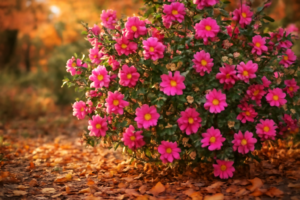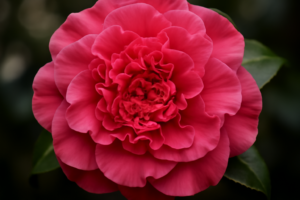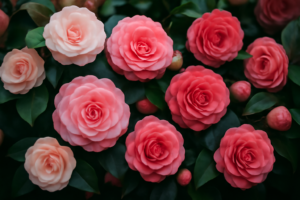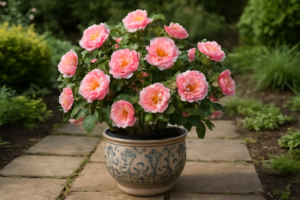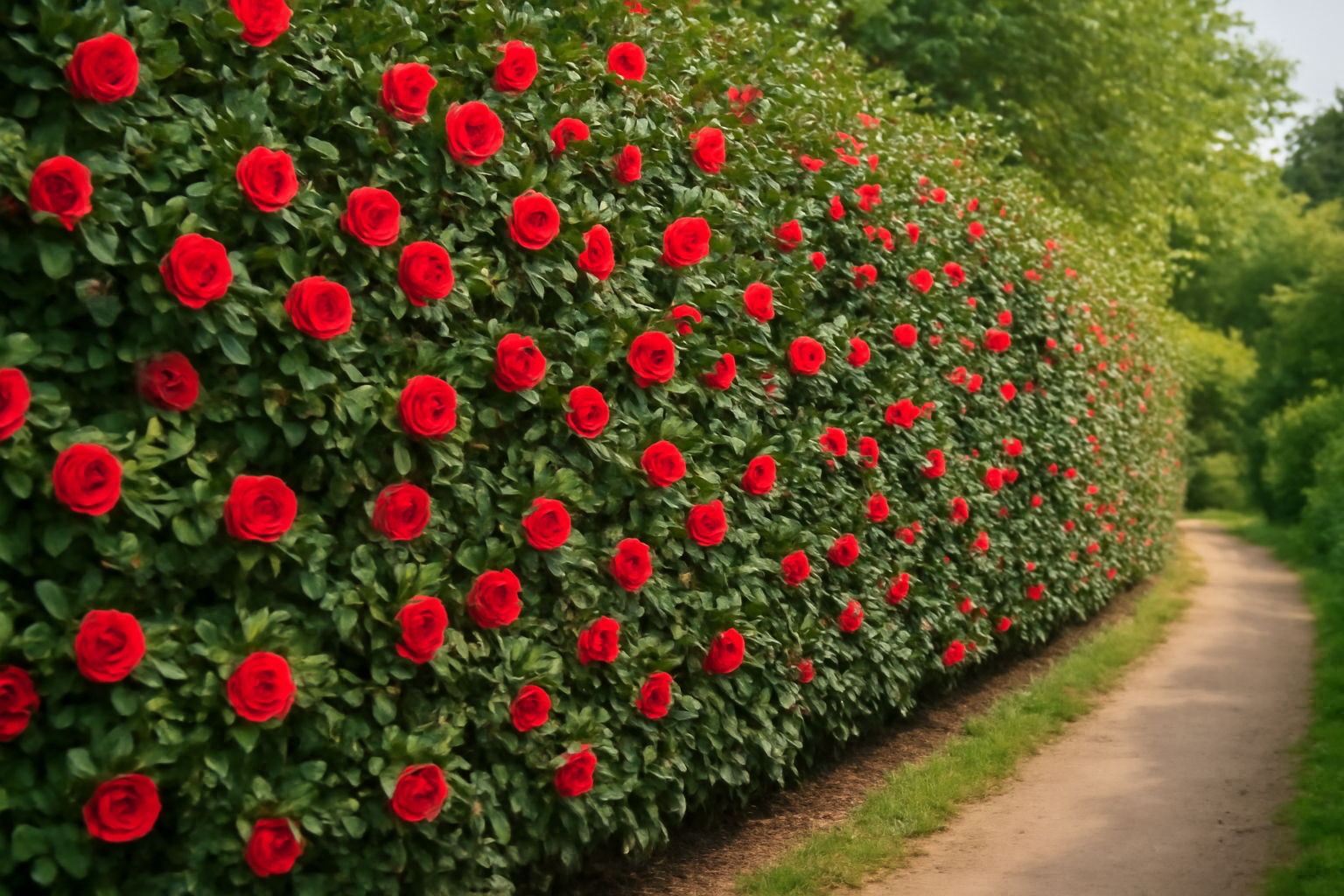
A few years ago, my neighbour knocked on my gate and asked why my garden looked so private and lush while hers felt exposed to the street. I pointed to the dense wall of glossy green foliage running along my eastern boundary and said, simply, “camellias.” She looked genuinely surprised. Most people think of camellias as ornamental specimen plants — something you fuss over in a pot. However, the right camellia hedge varieties can give you a living privacy screen that’s tough, evergreen, and frankly breathtaking in flower. After 20 years of trialling, failing, and occasionally getting it exactly right, I want to share what I’ve actually learned about using camellias for hedging and screening.
Why Camellias Make Outstanding Hedge Plants
Let’s start with the basics. Camellias are broadleaf evergreens with dense, naturally bushy growth habits. They hold their foliage all year. That alone makes them superior to many flowering hedge options that drop their leaves and leave you exposed through winter.
In my experience, a well-established camellia hedge also acts as a windbreak, a noise buffer, and a wildlife corridor all at once. My Sasanqua hedge along the western fence line hosts nesting wrens every spring. That’s a bonus I never expected.
That said, camellias aren’t for everyone. They need slightly acidic soil — ideally a pH of 5.5 to 6.5. They dislike waterlogged roots. And they need patience, because the first two years are slow. However, once established, most varieties grow 12 to 18 inches per year without being invasive or thuggish about it.
Sasanqua Varieties: My First Choice for Hedging
If you only read one section of this post, make it this one. Camellia sasanqua is, in my opinion, the single best species for hedging. Full stop. Sasanquas are faster-growing than japonicas. They tolerate more sun. They bloom in autumn and early winter when almost nothing else is flowering. And they respond brilliantly to shaping.
I grow several Sasanqua varieties specifically for screening purposes. ‘Setsugekka’ is my absolute workhorse. It produces large, semi-double white flowers with ruffled petals from October through December, and it grows vigorously upright — ideal if you want height quickly. Mine reached six feet in four years from a two-gallon pot.
‘Yuletide’ is another strong performer. It’s more compact than Setsugekka, with vivid red single flowers and bright yellow stamens. Specifically, I use it for lower sections of a mixed hedge where I want to cap height around four to five feet. It’s also one of the most cold-hardy Sasanquas I grow, performing reliably in my Zone 7b beds.
For a softer, more romantic screen, ‘Cleopatra’ deserves a mention. It has a naturally arching habit with semi-double pink flowers. I’ve trained it along a post-and-wire frame along my driveway with great success. The arching stems weave together beautifully over time.
Sasanqua Hardiness and Placement Tips
Sasanquas generally perform best in USDA Zones 7 to 10. Most will survive brief dips to around 10°F (-12°C), though flower buds may suffer in hard freezes. In my Zone 7b garden, I site Sasanqua hedges against south or west-facing walls where reflected heat offers a few degrees of extra protection.
Sun tolerance is a genuine advantage with this species. Unlike japonicas, Sasanquas can handle four to six hours of direct sun daily without scorching. As a result, they work well along exposed boundaries that would stress a japonica hedge.
Best Camellia Hedge Varieties from the Japonica Species
Camellia japonica hedges are a different experience entirely. The growth rate is slower and more deliberate. However, the payoff is a denser, more formal-looking screen with showier flowers. Japonicas also bloom later — typically January through April — which extends your garden’s interest well into late winter.
For hedging, I avoid the highly-bred show varieties with enormous blooms. Those are for specimen planting. Instead, I look for varieties with naturally upright, dense habits and smaller to medium flowers that don’t weigh down branches.
‘April Series’ camellias are exceptional for this purpose. Bred specifically for cold hardiness and upright growth, cultivars like ‘April Kiss’, ‘April Blush’, and ‘April Snow’ perform reliably into Zone 6b with protection. In my Zone 8a beds, they’re virtually bulletproof. Their naturally columnar form means less pruning to maintain a tidy hedge shape.
Japonica Varieties Worth Planting in a Row
‘Survivor’ is exactly what the name implies. It’s one of the hardiest japonicas available, developed after surviving a severe Georgia winter that killed many other cultivars. I grow it in my coldest Zone 7b bed, and it reliably produces medium-sized red flowers every February without fail.
‘Mathotiana’ has been used as a hedge plant for generations — and for good reason. It grows strongly upright, produces dramatic crimson double flowers, and has the kind of substantial presence that makes a real statement along a boundary. On the other hand, it does need regular pruning to stay tidy. I trim mine immediately after flowering each spring, which I cover in detail in my post on pruning camellias for shape and size.
For something a little different, ‘Kramers Supreme’ offers fragrance — unusual in japonicas — along with bold red peony-form flowers. It grows at a moderate rate and responds well to hedging cuts. Specifically, I’ve found it pairs beautifully with the white-flowered ‘Nuccio’s Gem’ for an alternating red-and-white hedge that’s spectacular in late winter.
The Lesson I Learned the Hard Way About Spacing
Here is my biggest hedging mistake, offered freely so you don’t repeat it. When I planted my first camellia hedge in 2006, I put the plants four feet apart. They looked terribly sparse for years. So the following spring, I added more plants between them — and within a decade, the whole hedge was overcrowded, competing for light and nutrients.
The correct spacing depends on the variety and your target height. For most Sasanquas used as a screen to six feet or more, I now plant five to six feet apart on centre. For compact japonicas targeting four feet, three to four feet apart works well. Trust the spacing. The plants will fill in — faster than you expect, once established.
Resist the urge to plant closer for instant results. I know it’s hard. However, crowded camellias develop poor air circulation, which invites fungal problems like petal blight and sooty mould. Give them room.
Using Camellia x Williamsii and Hybrid Varieties for Screening
Don’t overlook the williamsii hybrids and modern crosses when choosing hedge plants. These are often more disease-resistant, hardier, and tidier than either parent species. They also have the endearing habit of dropping spent flowers cleanly — no deadheading needed.
‘Donation’ is a classic williamsii hybrid that I’ve grown as an informal screen for over a decade. It produces masses of semi-double orchid-pink flowers from February through April and grows into a naturally rounded, bushy shape. Without any pruning, mine formed a soft screen about six feet tall and five feet wide in eight years.
‘Jury’s Yellow’ is unusual — a williamsii cross with creamy yellow-centred white flowers. It’s more compact than Donation, which makes it useful for lower screens and front-boundary hedges. In my experience, it’s also remarkably tolerant of slightly heavier soils, as long as drainage is reasonable.
For the coldest edges of camellia country — Zone 6b and even Zone 6a with protection — the Ice Angels series and ‘Winter’s Star’ (a C. oleifera hybrid) are worth researching. I haven’t trialled them personally in sufficient numbers to make strong recommendations, but the reports from northern growers are encouraging.
Soil Preparation: Get This Right Before You Plant
No matter which camellia hedge varieties you choose, soil preparation will determine your success more than any other factor. I’ve seen beautiful varieties fail completely in poorly prepared ground, and modest ones thrive simply because the soil was right.
Test your soil pH before planting. Seriously — do it. A simple home test kit or a lab analysis will tell you where you stand. Target 5.5 to 6.5. If your pH is above 6.5, camellias will struggle to absorb iron and manganese, resulting in yellowing leaves (chlorosis). Sulphur applications can lower pH over time, but it’s far easier to sort this out before planting.
Work in generous amounts of pine bark, composted pine needles, or ericaceous compost along the entire hedge line — not just in individual planting holes. Camellias have wide, shallow root systems. They’ll spread beyond any single amended hole within a few years. For example, I prepare a trench two feet wide and 18 inches deep along the entire hedge run, amending the full length before planting.
Feeding and Mulching a Camellia Hedge
Feed established hedges with an ericaceous or azalea-formula fertiliser in early spring, just as new growth begins — typically March in Zone 8 and April in Zone 7. Avoid feeding after July. Late feeding encourages soft growth that gets damaged by early frosts.
Mulch generously, but keep mulch away from the stem bases. I use pine bark at three to four inches deep along the entire hedge run. It conserves moisture, suppresses weeds, and slowly acidifies the soil as it breaks down. That’s three benefits in one simple annual task.
Pruning a Camellia Hedge: Timing Is Everything
Many people avoid hedging camellias because they’re nervous about pruning them. However, camellias are genuinely resilient to cutting. The key is timing. Always prune immediately after flowering — not before, and not in late summer.
For Sasanqua hedges, this means pruning in December or January after the autumn flush has finished. For japonica hedges, it typically means March or April. Pruning at these times gives plants the entire growing season to set next year’s buds before they go dormant. Cut into last year’s wood without hesitation. Camellias break from old wood readily.
I use long-handled loppers for shaping and sharp bypass secateurs for detail work. Electric hedge trimmers are fine for lightly tidying Sasanqua hedges, though I prefer hand tools for japonicas where I’m more selective about which branches I remove. If you want a deeper dive into technique, I’ve written a full guide on how and when to prune camellias that covers this in much more detail.
My Top Camellia Hedge Variety Recommendations at a Glance
To make this practical, here’s how I’d summarise my personal picks by situation:
- Fast tall screen (6ft+): ‘Setsugekka’ (Sasanqua) — upright, vigorous, white, autumn flowering
- Compact low hedge (4-5ft): ‘Yuletide’ (Sasanqua) — red, tidy, cold-hardy to Zone 7
- Formal winter-flowering hedge: ‘April Kiss’ or ‘April Blush’ (Japonica) — upright, hardy to Zone 6b
- Informal soft screen: ‘Donation’ (Williamsii hybrid) — pink, self-cleaning, naturally bushy
- Bold statement hedge: ‘Mathotiana’ (Japonica) — crimson, dramatic, formal with pruning
- Cold climate option: ‘Survivor’ (Japonica) — red, reliable, proven in Zone 7b
Final Thoughts on Choosing Camellia Hedge Varieties
Choosing the right camellia hedge varieties comes down to three questions: What’s your USDA zone? How tall do you need the screen? And how much sun does the site receive? Answer those honestly, and the shortlist practically writes itself.
Sasanquas give you speed, sun tolerance, and autumn colour. Japonicas give you