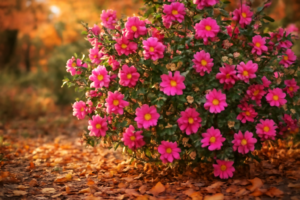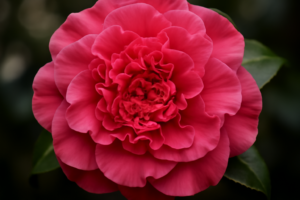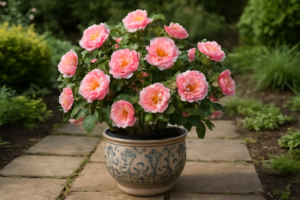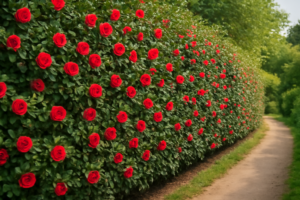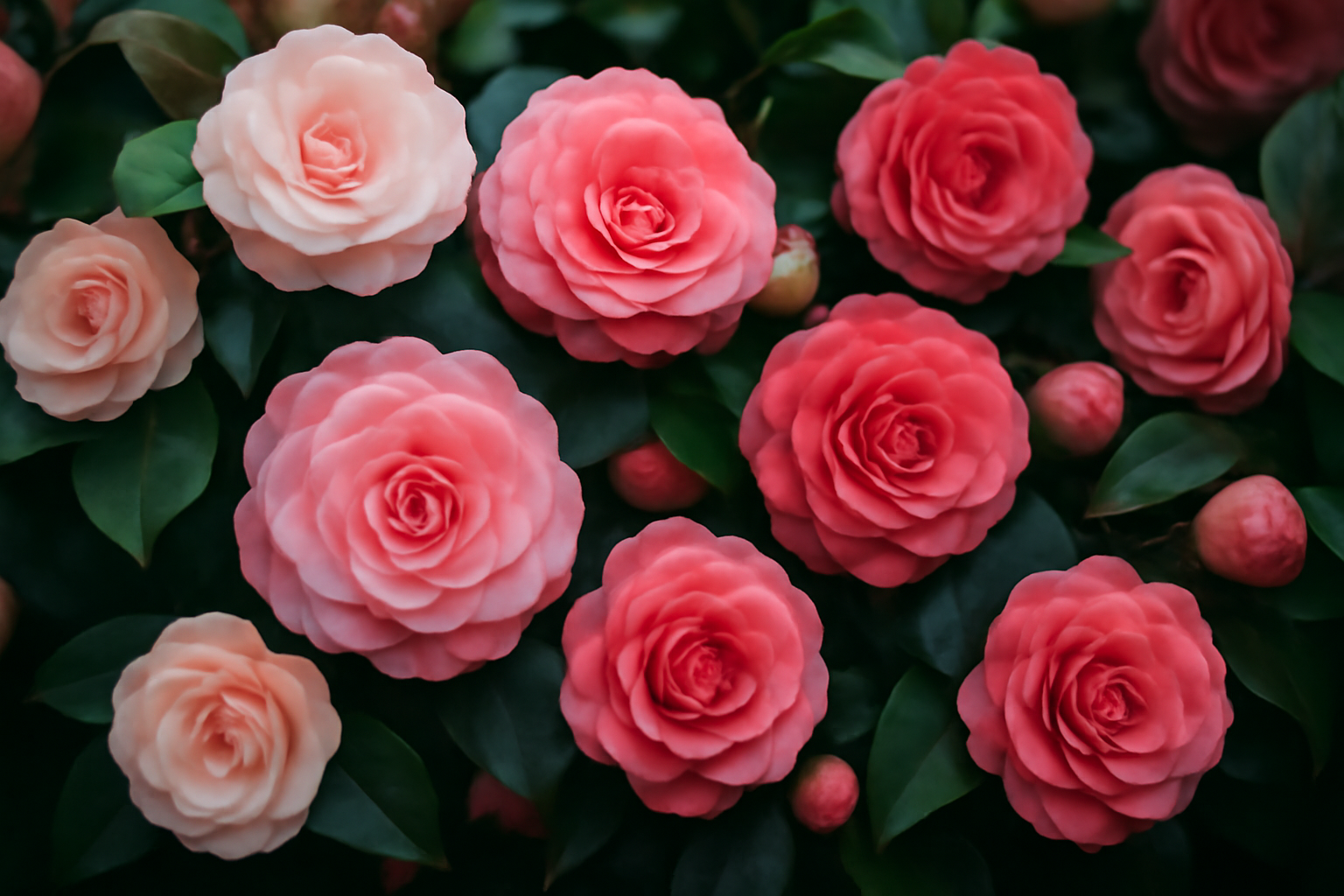
Last October, I walked out to my back border just as the morning fog was lifting, and stopped dead in my tracks. ‘Survivor,’ my big Sasanqua, had opened overnight into a blaze of soft shell-pink blooms that practically glowed in the grey light. In that moment, I remembered exactly why I became obsessed with pink camellia varieties in the first place. Pink isn’t just one colour with camellias. It’s a whole spectrum — from the palest, almost-white blush of a newly opened Japonica to the saturated, lipstick-deep rose of a Reticulata hybrid that stops visitors in their garden path. Over twenty years and more than two hundred named cultivars, I’ve grown them all across my zones 7b, 8a, and 8b gardens. This guide is everything I wish someone had handed me at the start.
Why Pink Camellias Deserve a Category of Their Own
I know, I know — it sounds like I’m splitting hairs. But hear me out. When gardeners ask me about camellia colours, white and red varieties get described in simple, confident terms. Pink, however, confounds people. The range is genuinely enormous. A variety labelled “pink” in a nursery catalogue could arrive at your door as a barely-there petal flush or an almost-fuchsia showstopper. That gap matters enormously when you’re designing a border or choosing plants to complement a brick wall.
In my experience, understanding the pink spectrum before you buy saves real heartache. I’ve learned to group pinks roughly into three zones: soft blush and pastel, mid-tone clear pink, and deep rose to near-cerise. Each zone has different planting companions, different seasonal moments, and honestly, different personalities.
Soft Blush and Pastel Pink Camellia Varieties
These are my winter mood-lifters. When January feels relentless, pale blush camellias do something no other plant in my garden can manage — they look both delicate and completely unbothered by cold. ‘Berenice Boddy’ is my all-time recommendation for this group. A Japonica cultivar, it produces semi-double, light-pink flowers with a slightly deeper centre, and it blooms mid-season, typically February to March in my zone 8a garden. It’s vigorous, easy, and genuinely undemanding.
For earlier blush colour, I turn to the Sasanqua side. ‘Mine-No-Yuki’ is technically white with a pink blush at the petal edges, but in practice it reads as the softest imaginable pink on the plant. It opens from October onward in my zone 8b bed, which means I have delicate pink tones in the garden from autumn right through spring when I pair it thoughtfully with Japonicas.
A Lesson I Learned the Hard Way About Pale Pinks
Here’s a mistake that cost me two seasons of blooms. I planted ‘Berenice Boddy’ in a spot that got strong afternoon sun in summer. The soft pink flowers faded to near-white and the petals scorched at the edges. It looked terrible. The problem wasn’t the variety — it was my placement. Pale-pink camellias are especially vulnerable to sun bleaching. They need bright, indirect light or morning sun with afternoon shade. Move them to the right spot and they reward you instantly.
Another pale-pink worth knowing is ‘Nuccio’s Cameo.’ The blooms are a formal double in a clean, cool pink that photographs beautifully. However, it’s a slower grower than ‘Berenice Boddy,’ so I’d recommend it for a container or a smaller, deliberate space rather than a large border where you need impact quickly.
Mid-Tone Clear Pink Varieties: The Workhorses of the Border
If I had to name one colour category that does the most heavy lifting in my garden designs, it’s this one. A clear, medium pink — neither pale nor intense — reads beautifully from a distance, bridges other colours gracefully, and photographs well in all light conditions. These varieties also tend to be among the most adaptable and reliably floriferous camellias I grow.
‘Donation’ is probably the most famous in this group, and the fame is deserved. This Williamsii hybrid produces abundant semi-double blooms in a pure, warm pink from late winter into spring. It’s remarkably cold-hardy for a camellia, performing well into zone 7b with some protection. In my experience, ‘Donation’ is one of the first camellias I’d recommend to a gardener just starting out — it’s generous, reliable, and genuinely beautiful.
More Mid-Pink Varieties Worth Growing
‘April Remembered’ is a Japonica I added to my zone 7b garden specifically for its cold tolerance. Blooms open in a lovely rose-pink with a tidy, semi-double form. It handles the late frosts that other camellias resent. That resilience makes it invaluable in my colder planting zone.
For Sasanqua options in this range, ‘Cleopatra’ delivers a semi-double, rose-pink flower from October through December. The growth habit is slightly arching, which makes it excellent as an informal hedge or espaliered against a fence. Specifically, I’ve used it along my south-facing fence in zone 8a, and it produces hundreds of blooms each autumn without any fuss.
‘Elegant Beauty’ is a Williamsii hybrid I can’t say enough good things about. The blooms are a warm, anemone-form pink that ages gracefully on the plant. As a result of its upright habit and good foliage, it earns year-round structural value in the garden even when not in flower.
Deep Rose and Intense Pink Camellia Varieties
These are the showstoppers. Deep rose camellias make a statement you can’t walk past without turning your head. They contrast dramatically with dark green foliage, look extraordinary against pale stone walls, and anchor a planting scheme with real visual weight.
‘Dr. Clifford Parks’ is a Reticulata hybrid that I grow in my zone 8b garden, and it genuinely takes your breath away. The blooms are enormous — easily 5 to 6 inches across — in a vivid, semi-double rose-red-pink that sits right at the boundary between deep rose and red. Flowering runs from February into April in my garden. However, I want to be honest: Reticulata hybrids like this one are less cold-hardy than Japonicas or Sasanquas, so they’re best suited to zone 8 and warmer.
Deep Pink Japonicas Worth Knowing
‘Kramer’s Supreme’ is a Japonica with large, fully double blooms in a vivid Turkey-red-pink. What sets it apart is the fragrance — it’s one of the few Japonicas with a noticeable, pleasant scent. That alone makes it worth growing. Place it where you’ll walk past it daily.
‘Lady Vansittart’ offers a striking bicolor effect — white petals streaked and margined in rose-pink — that reads as a deep-pink overall impression from even a short distance. It’s a slow-growing Japonica, but patience pays off. On the other hand, if you want something faster to establish, ‘Drama Girl’ delivers big, semi-double, deep-rose blooms on a vigorous, upright plant that gains size quickly.
Getting the Growing Conditions Right for Pink Camellias
I want to talk about soil here, because it’s the single biggest factor I see people get wrong. Camellias are acid-loving plants. They want a soil pH between 5.5 and 6.5. Go above 6.5 and you’ll see yellowing leaves — chlorosis — as iron and manganese become unavailable to the plant. I test my soil every two years and adjust with sulfur when needed. It’s a simple step that makes an enormous difference to bloom quality and overall plant health.
Drainage is equally important. Camellias do not tolerate waterlogged roots. I’ve lost two plants to root rot from poorly-drained heavy clay, and both losses were entirely preventable. Raise your planting beds, incorporate composted pine bark into clay soils, and never plant into a spot that holds standing water after rain.
Fertilising and Pruning for Best Bloom
For feeding, I use an acid-formula, slow-release fertiliser in early spring just after bloom. I stop fertilising by late July to avoid pushing tender new growth before the first frosts arrive. It’s a simple rhythm, but sticking to it consistently produces noticeably better results than irregular feeding.
Pruning camellias is something I’ve written about in more detail in another post on this site, but the short version is this: prune immediately after flowering finishes. That window — right after bloom — is the safest time. You’ll remove spent flower wood without cutting off the buds that are already forming for next year’s display.
Choosing Between Japonica, Sasanqua, and Reticulata for Pink Tones
Each species brings a different seasonal moment. Sasanquas bloom first — autumn through early winter — and their pink varieties tend toward lighter, more open flower forms. They’re also the most sun-tolerant of the three groups, which matters when positioning plants. If you want pink camellia colour from October onward, start here.
Japonicas dominate mid-winter to mid-spring. They offer the widest range of flower forms in pink — from simple singles to elaborate formal doubles. They’re also the most cold-hardy group overall, making them the best choice for zone 7b gardeners where reliable winter hardiness is non-negotiable.
Reticulata hybrids bloom later, typically late winter to spring, and produce the largest individual flowers of any camellia. For deep, saturated pinks and rose tones in truly spectacular bloom size, they’re unmatched. That said, they need zone 8 or warmer conditions and appreciate a sheltered site. Don’t rush to grow these in colder zones without a protected microclimate to support them.
My Recommended Pink Camellia Varieties at a Glance
- ‘Berenice Boddy’ — Japonica, soft light pink, semi-double, mid-season, excellent for zones 7b–9
- ‘Donation’ — Williamsii hybrid, clear warm pink, semi-double, reliable cold hardiness to zone 7b
- ‘Cleopatra’ — Sasanqua, rose-pink, semi-double, autumn bloom, excellent for hedging
- ‘April Remembered’ — Japonica, rose-pink, cold-tolerant, good for zone 7b
- ‘Elegant Beauty’ — Williamsii hybrid, warm pink anemone form, upright habit, zones 7b–9
- ‘Dr. Clifford Parks’ — Reticulata hybrid, deep rose-pink, very large blooms, zones 8–10
- ‘Kramer’s Supreme’ — Japonica, deep vivid pink, fragrant, zones 7b–9
- ‘Drama Girl’ — Japonica, deep rose, vigorous grower, semi-double, zones 7b–9
- ‘Nuccio’s Cameo’ — Japonica, cool pale pink, formal double, best in container or smaller spaces
- ‘Mine-No-Yuki’ — Sasanqua, white with pink blush, earliest autumn colour, zones 7–9
Your Next Step With Pink Camellia Varieties
After twenty years of growing pink camellia varieties, the most useful advice I can give you is this: pick your season first, then choose your variety. Ask yourself when you most want pink blooms in your garden. Autumn gaps? Go Sasanqua. Deep winter colour? A reliable Japonica like ‘Berenice Boddy’ or ‘Donation’ won’t let you down. Spring spectacle? Consider a Reticulata hybrid if your zone allows it.
From there, check your soil pH before anything goes in the ground. A quick home test kit costs almost nothing and will save you from the frustrating, avoidable problems that come with alkaline soil. Get the chemistry right first, then plant.
Pink camellia varieties reward a little planning with years — genuinely decades — of beautiful, reliable bloom. They’re not fussy plants when their basic needs are met. Start with one or two varieties from different bloom seasons, observe how they perform in your specific conditions, and let your collection grow from there. That’s exactly how my two-hundred-plus cultivar obsession started, and I have absolutely no regrets.