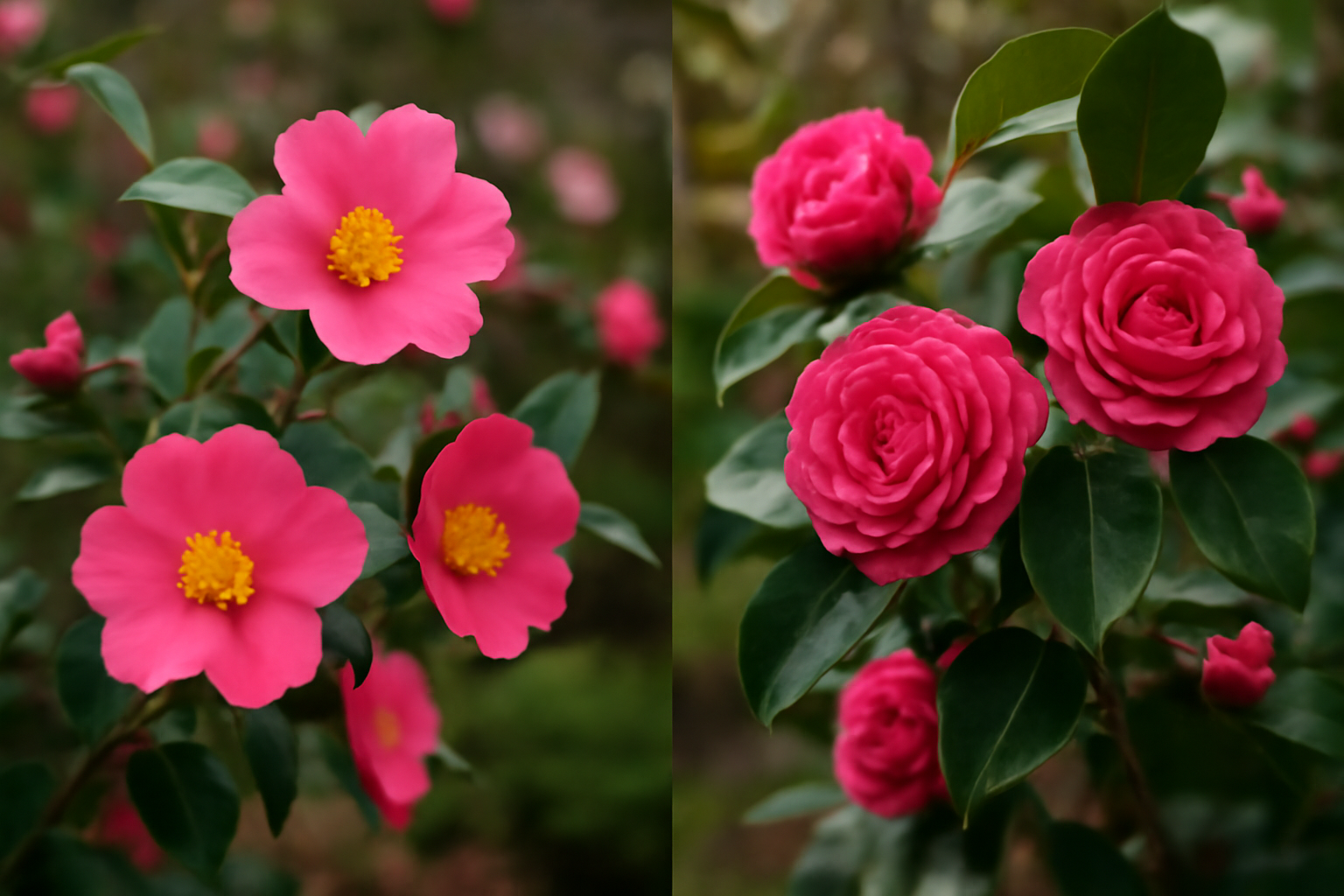
Every autumn, my neighbor stops at my fence and asks the same question. “How do you have flowers already? Mine don’t bloom until spring.” She grows a gorgeous Camellia japonica. I’m standing next to a wall of Camellia sasanqua blooming its heart out in October. That single conversation captures the essence of the camellia sasanqua vs japonica debate — and honestly, it’s the question I get asked more than any other. After twenty years and over 200 named cultivars across my three garden spaces in zones 7b, 8a, and 8b, I have a lot of opinions on this. Strong ones. Let me share what I’ve learned, what I’ve gotten wrong, and how to figure out which camellia actually belongs in your garden.
The Core Difference: Bloom Season Changes Everything
Let’s start with the most obvious distinction. Camellia sasanqua blooms in autumn and early winter, typically from October through December depending on your zone. Camellia japonica blooms in late winter to spring, usually from January through April. That gap isn’t minor — it’s the whole ballgame for many gardeners.
In my zone 8a garden, my sasanquas like ‘Yuletide’ and ‘Setsugekka’ are finishing their show right as the japonicas wake up. There’s almost a baton pass between them. However, in my zone 7b plot, sasanqua blooms sometimes get hit by early hard freezes, which is something I’ll come back to shortly.
Think carefully about what your garden needs. Do you want colour when nothing else is flowering in autumn? Go sasanqua. Do you want lush, formal blooms as a centrepiece in late winter? Japonica is your answer. For me, the honest answer has always been: grow both.
Camellia Sasanqua vs Japonica: Understanding the Plants Themselves
Beyond bloom time, these two species have genuinely different growth habits and personalities. Getting to know them as plants — not just as flower factories — will make you a better camellia grower.
Camellia Sasanqua: The Tough, Versatile Workhorse
Sasanquas are generally faster growing and more sun-tolerant than japonicas. That’s a big deal in garden design. Most of mine handle four to six hours of direct sun without complaint. ‘Kanjiro’ — a personal favourite with its deep rose-pink semi-double flowers — grows happily on my south-facing slope with afternoon shade but direct morning sun.
The foliage is typically smaller and finer-textured than japonica. As a result, sasanquas work beautifully as hedges, espaliers, and screening plants. They take shearing reasonably well, though I always prefer to hand-prune for the best shape. I wrote more about my pruning approach in my post on how to prune camellias without ruining the plant’s natural form.
Hardiness is worth noting. Most sasanqua cultivars are reliably hardy to zone 7, with some pushing into zone 6b with protection. ‘Winter’s Interlude’ and others in the “Ice Angels” series bred by Dr. William Ackerman were specifically developed for cold hardiness. In my experience, they’re impressive performers even when temperatures dip unexpectedly.
Camellia Japonica: The Showstopper With Strong Opinions
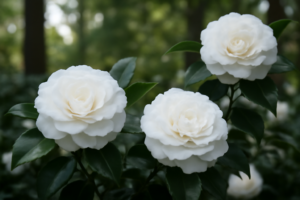
Japonicas are the classic camellia. When most people picture a camellia, they’re picturing this species. The blooms are larger, often more formal, and frankly more dramatic. My ‘Nuccio’s Jewel’ puts on a show every February that stops people in their tracks — white petals blushed with soft pink, perfectly formed.
However, japonicas have a few strong preferences you need to respect. They truly prefer partial shade, especially in warmer zones. Too much afternoon sun bleaches the flowers and stresses the plant. They’re also generally slower growing than sasanquas. That’s not a flaw — it just means they need a different placement strategy.
Cold hardiness varies significantly by cultivar. Most japonicas are reliable in zones 7-9. Some, like ‘April Snow’ or ‘April Remembered’ from the Ashton series, extend to zone 6. In zone 7b, I’ve had open japonica buds take frost damage on late cold snaps in March — something I now plan around by choosing later-blooming cultivars in exposed spots.
Soil, Sun, and Siting: What Both Species Need
Here’s where the two species actually agree. Both are acid-loving plants that perform best in well-drained soil with a pH between 5.5 and 6.5. Getting this right is non-negotiable. I test my soil every two years and adjust with elemental sulphur when needed.
Poorly drained soil will kill both species equally fast. Root rot from Phytophthora is the number one killer of camellias in home gardens, and it’s almost always linked to waterlogged roots. Raised beds and generous organic matter in the planting hole have saved many of my plants over the years.
Mulching is essential for both. I keep a three-inch layer of pine bark or pine straw around all my camellias year-round. This moderates soil temperature, retains moisture, and gradually acidifies the soil as it breaks down. Just keep mulch pulled back an inch from the main trunk to prevent collar rot.
Where They Differ in Siting
Sun exposure is where the two species diverge most practically. Sasanquas thrive with more sun. For hedging a sunny fence line or filling a bright border, sasanqua is the right choice. Specifically, I’ve found cultivars like ‘Mine-No-Yuki’ (also sold as ‘White Doves’) and ‘Sparkling Burgundy’ handle full morning sun with ease.
Japonicas, on the other hand, prefer dappled light or morning sun with afternoon shade. Under a high canopy of tall pines is the classic camellia habitat — and honestly, it’s hard to improve on nature’s template. My best japonica specimens live under a stand of longleaf pines in zone 8a. The needle drop keeps the soil beautifully acidic and the canopy filters the harsh afternoon sun perfectly.
A Mistake I Made — and What It Taught Me
I need to tell you about ‘Professor Charles S. Sargent.’ It’s a beautiful, old-fashioned japonica — deep crimson, formal double, absolutely classic. I planted one years ago on a sunny west-facing wall in my zone 8b garden because the space needed something tall and I was impatient. I thought, it’s a camellia, it’ll adapt.
It did not adapt. The afternoon sun baked the blooms before they fully opened every single year. The foliage developed a yellowish cast from heat stress. After three frustrating seasons, I moved it to a north-facing position with bright indirect light. Within one growing season, it was transformed — glossy dark leaves, perfect blooms, happy plant. The lesson cost me three years of poor performance that was entirely my fault.
That experience shaped how I site japonicas now. Before I plant one, I stand in the spot at 2pm on a summer afternoon. If I’m squinting, the japonica will suffer. Simple as that.
Choosing Specific Cultivars: My Personal Recommendations
General species advice only goes so far. The real decisions happen at the cultivar level. Here are some of my tried-and-true picks for gardeners just getting started with each species.
Top Sasanqua Cultivars Worth Growing
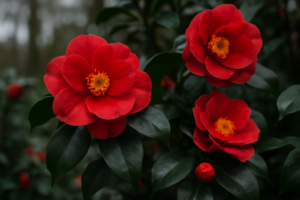
- ‘Yuletide’ — Single red with bright yellow stamens. Blooms in December. Compact, upright habit. One of the most reliable camellias I grow.
- ‘Setsugekka’ — Large, semi-double white flowers with ruffled petals. Vigorous grower. Excellent for espalier or as a specimen.
- ‘Kanjiro’ — Deep rose-pink semi-double. Arching habit makes it a natural for slopes or cascading over walls.
- ‘Mine-No-Yuki’ — Weeping form with small white flowers. Exceptional as a ground cover or container plant.
- ‘Sparkling Burgundy’ — Deep ruby-rose peony form. One of the best for sunny spots. Extremely tough.
Top Japonica Cultivars Worth Growing
- ‘Nuccio’s Jewel’ — White with soft pink blush, peony form. Reliable, beautiful, well-named.
- ‘Professor Charles S. Sargent’ — Classic dark red formal double. Slow growing but magnificent once established.
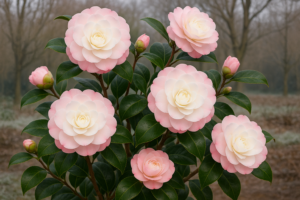
- ‘Debutante’ — Soft pink peony form. Early bloomer. One of the best introductory japonicas for new growers.
- ‘Nuccio’s Pearl’ — White with orchid-pink outer petals. Formal double. Stunning in partial shade.
- ‘April Dawn’ — Variegated pink and white formal double. Hardy to zone 6. Great choice for colder gardens.
Worth mentioning: Camellia reticulata hybrids like ‘Dr. Clifford Parks’ occupy a third category entirely — enormous blooms, less cold-hardy, better suited to zones 8-10. That’s a deep topic I’ll tackle in a dedicated post, because reticulatas deserve their own spotlight.
What About Freeze Damage? Zone Realities Matter
This topic deserves honest discussion. Sasanqua blooms in autumn — which sounds ideal until a hard freeze rolls in mid-November and destroys three weeks of flowers overnight. That happens in zone 7b. It happens in zone 8a during unusual cold snaps. The blooms are not damaged permanently; the plant is fine. However, losing that season’s display stings.
There’s a practical workaround I use. For sasanquas in more exposed positions in my colder zones, I choose cultivars that bloom later in the sasanqua season — late November into December — rather than the early October bloomers. ‘Yuletide’ has saved me from freeze disappointment more times than I can count because its December timing misses the worst of our early cold spells.
For japonicas, the concern is different. The plants themselves are generally cold-hardy. The flower buds, however, can be damaged by late freezes in February and March when they’re swelling or just opening. Siting japonicas with some overhead protection — under eaves, beneath a canopy — reduces bud damage significantly in borderline zones.
So, Camellia Sasanqua vs Japonica: Which One Is Right for You?
Here’s my honest, practical answer after all these years. Ask yourself three questions. First, when do you want colour? Autumn means sasanqua. Late winter to spring means japonica. Second, how much sun does your planting site receive? Sunny spots lean toward sasanqua; shadier spots suit japonica. Third, do you need the plant to do a structural job — hedge, screen, espalier? Sasanqua handles that role more readily.
In my experience, the camellia sasanqua vs japonica question almost always resolves itself once gardeners get specific about their site conditions and timing needs. Most of my clients end up wanting both, which I fully encourage. A well-designed camellia garden can have colour from October through April by combining the two species thoughtfully.
Start with one of each. Give them the right soil pH (5.5-6.5), good drainage, appropriate light, and generous mulch. Pay attention to how they behave in your specific microclimate. Then expand from there. Camellias are long-lived plants — some of the japonicas in old Southern gardens have been growing for over a century. The investment you make now pays dividends for decades.
If you’re still unsure where to begin, browse the named cultivars in our shop and filter by bloom season — that single filter will steer you toward the right species for your garden goals faster than anything else I can suggest.