
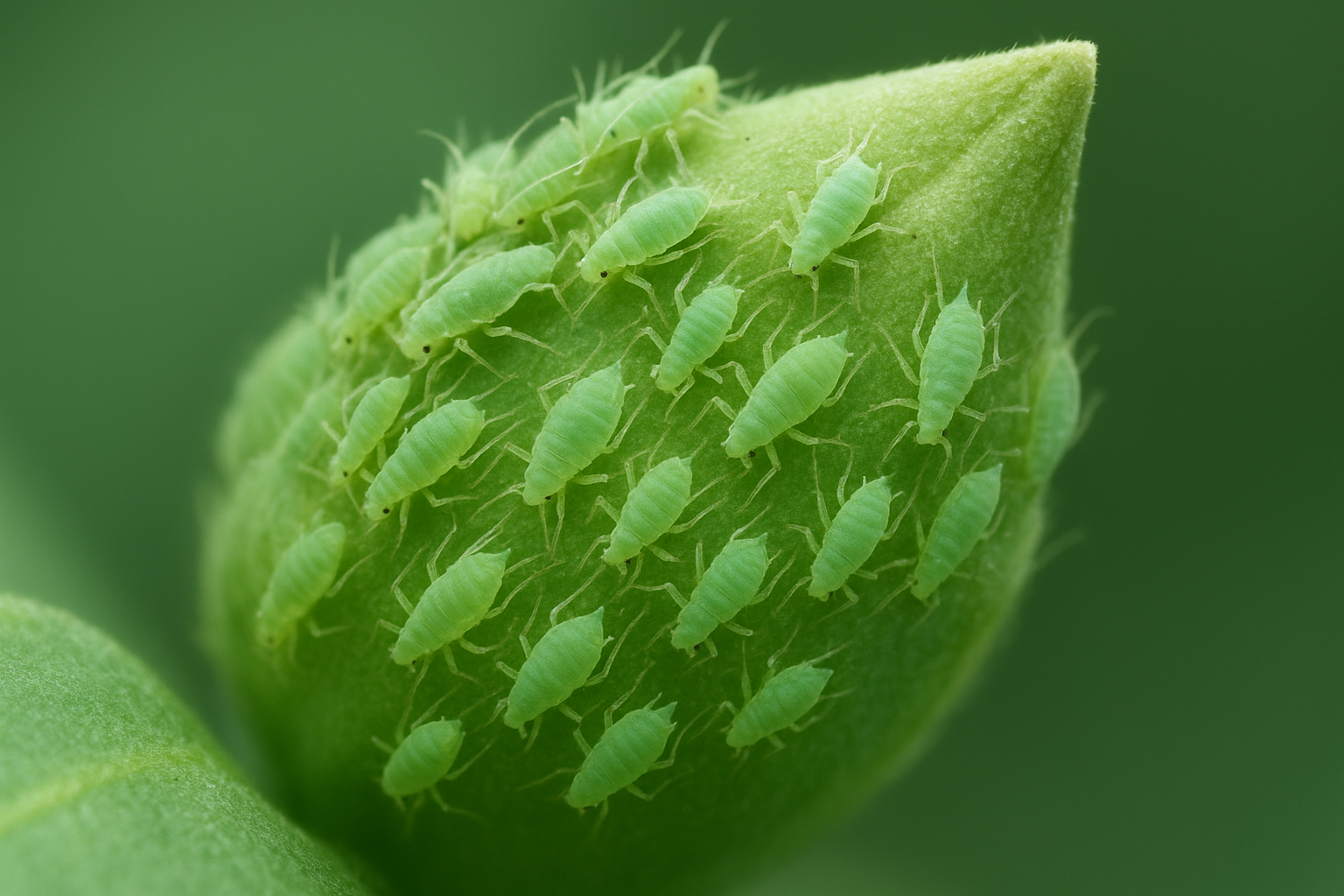
Camellias bring elegance to any garden with their lush foliage and stunning blooms. However, these beautiful shrubs can fall prey to a persistent pest: camellia scale. These tiny insects latch onto your plants, feeding on sap and slowly draining their vitality. Fortunately, you can effectively manage these pests with the right knowledge and a clear plan of action. This guide will walk you through identifying, treating, and preventing camellia scale infestations, ensuring your plants remain healthy and vibrant.
Creating a thriving camellia garden requires carefully selected products and specialized tools designed to meet the unique needs of these acid-loving flowering shrubs. Large Ceramic Planters supports successful camellia cultivation. Acidic Potting Soil provides the ideal growing medium for camellias. Compost Organic Soil provides the ideal growing medium for camellias. Vermiculite Soil Amendment provides the ideal growing medium for camellias. Granular Acid Loving supplies essential nutrients for healthy growth and vibrant blooms. Liquid Fertilizer Acid supplies essential nutrients for healthy growth and vibrant blooms. Oak Leaf Mulch helps maintain soil acidity and moisture retention. Cocoa Bean Hull helps maintain soil acidity and moisture retention. Plant Frost Protection protects camellias from cold damage. Rooting Hormone Powder supports successful camellia cultivation. Seed Starting Trays supports successful camellia cultivation. Digital Soil Ph provides the ideal growing medium for camellias. Soil Test Kit provides the ideal growing medium for camellias. Anvil Pruning Shears is essential for maintaining camellia shape and health. Pruning Saw Folding is essential for maintaining camellia shape and health. Drip Irrigation System ensures consistent moisture for optimal camellia growth. Watering Can Long ensures consistent moisture for optimal camellia growth. Insecticidal Soap Organic supports successful camellia cultivation. Plant Labels Markers supports successful camellia cultivation. Garden Journal Notebook supports successful camellia cultivation. Compost Bin Tumbler enriches the soil with organic matter. Leaf Composter Bag enriches the soil with organic matter. Hand Trowel Garden supports successful camellia cultivation. Garden Cart Wheelbarrow supports successful camellia cultivation. Plant Stand Display supports successful camellia cultivation. Garden Trellis Support supports successful camellia cultivation. Garden Tool Set supports successful camellia cultivation. Pruning Sheath Holster is essential for maintaining camellia shape and health.
Identifying Camellia Scale
First, you need to know what you are looking for. Scale insects don’t look like typical bugs. They often appear as small, immobile bumps on the undersides of leaves and along the stems. Different types of scale can affect camellias, but two are particularly common. Tea scale is one of the most prevalent. It presents as a white, cottony mass on the leaf’s underside, while the top of the leaf develops yellow splotches. Another type, cottony camellia scale, produces distinct white, fluted egg sacs that are much easier to spot.
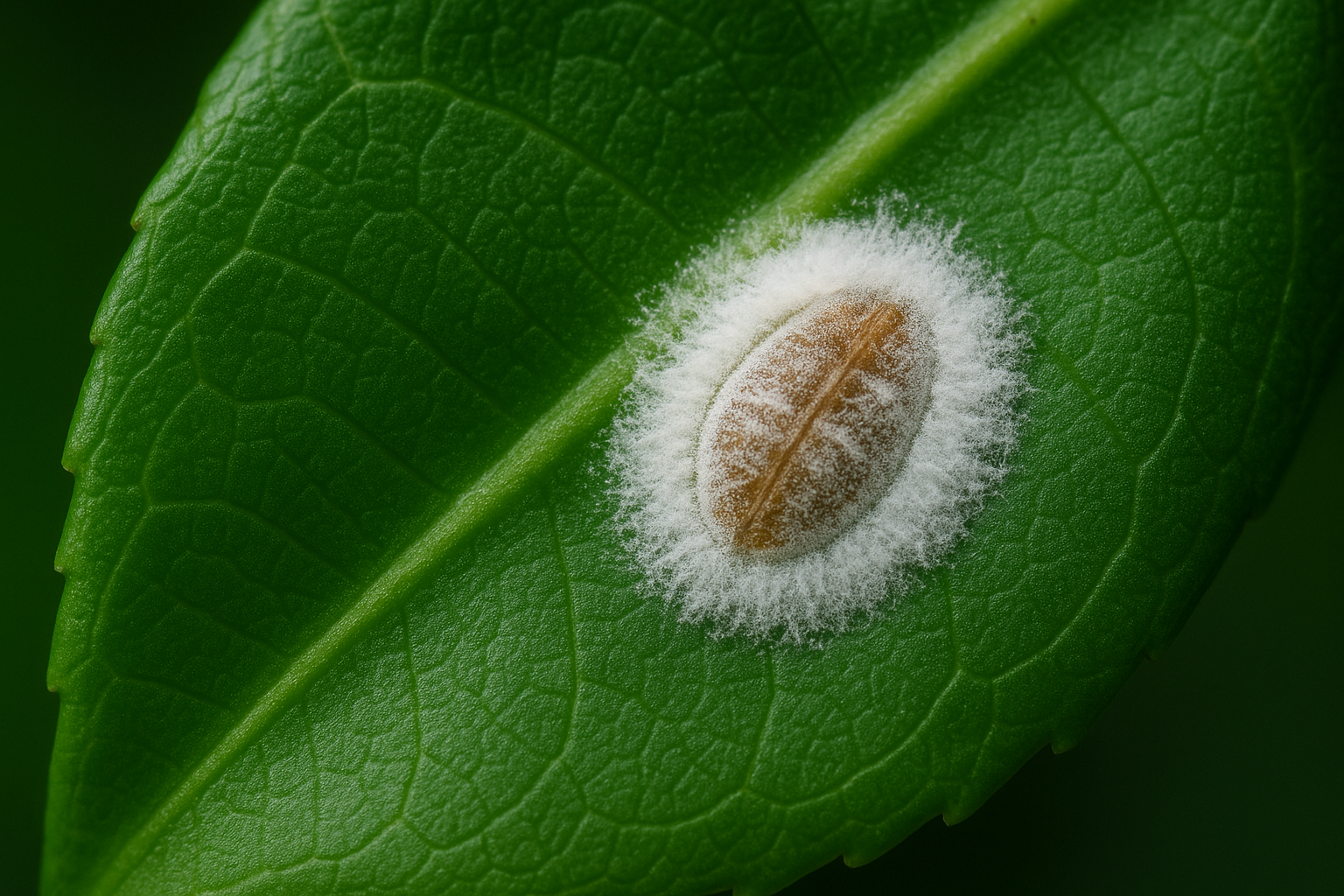
. Source
To confirm an infestation, you can gently scrape one of the bumps with your fingernail. If it comes off and reveals a tiny, soft-bodied insect or a colored smear, you are likely dealing with scale. Early detection is crucial. Therefore, make it a habit to inspect your camellias regularly, paying close attention to the hidden undersides of the leaves.
Understanding the Scale Life Cycle
To effectively combat UC Agriculture and Natural Resources – P…, you must understand its life cycle. Adult female scales are immobile. They protect themselves under a waxy, shell-like covering while they feed and lay eggs. These eggs hatch into tiny, mobile nymphs called “crawlers.” This crawler stage is the most vulnerable period in the insect’s life. The crawlers move around the plant to find a new spot to feed before developing their own protective shells.
Timing your treatments to coincide with the crawler stage significantly increases their effectiveness. Most contact insecticides, like horticultural oils and soaps, only work on these exposed crawlers. The waxy armor of the adults protects them from topical sprays. In many regions, crawlers are most active during spring and early summer. Source
Recognizing the Damage
A camellia suffering from a scale infestation will show several telltale signs. The most obvious symptom is the presence of the insects themselves. Additionally, you will likely notice yellow spots on the upper surfaces of the leaves. This discoloration corresponds to the scale colonies feeding on the undersides. A severe infestation can cause leaves to drop prematurely and may even lead to branch dieback. The plant will generally look weak and unhealthy.
Another common sign is the presence of a sticky substance called honeydew. Scale insects excrete this sugary liquid as they feed. Subsequently, a black, sooty mold often grows on the honeydew, covering leaves and stems. This mold does not directly harm the plant, but it blocks sunlight and interferes with photosynthesis. Consequently, it further weakens the already stressed UC Agriculture and Natural Resources – C….
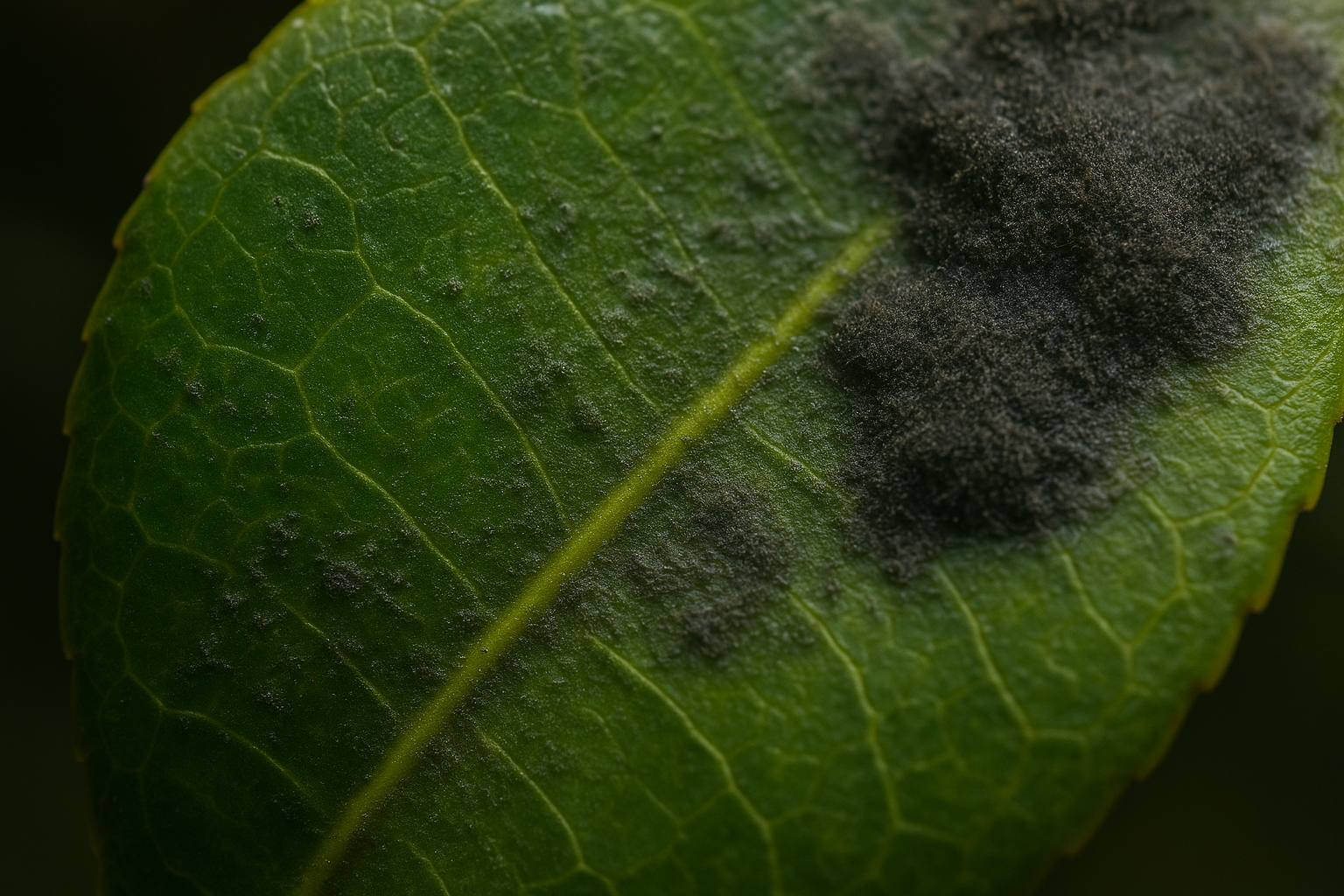
. UC Agriculture and Natural Res…
A Step-by-Step Treatment Plan
Once you confirm a scale infestation, you should act promptly. The best approach often involves a combination of methods, known as Integrated Pest Management (IPM). This strategy minimizes reliance on harsh chemicals and promotes a healthier garden ecosystem. Follow these steps to get the problem under control.
Step 1: Prune and Scrape
For light to moderate infestations, you can start with manual methods. Begin by pruning any heavily infested branches. This immediately reduces the pest population and improves air circulation, which helps discourage future outbreaks. Dispose of the pruned material in a sealed bag to prevent the pests from spreading. For smaller colonies on accessible branches, you can gently scrape the scale off with a soft brush, a cloth, or your thumbnail. This is a tedious but effective way to handle minor problems without chemicals. Camellia Pest Control – Univer…
Step 2: Apply Horticultural Oil
horticultural oils are a cornerstone of scale management. These highly refined oils work by suffocating the insects, including eggs, crawlers, and adults. You can apply them during two key periods. Dormant oils are used in late winter or early spring before the plant shows new growth. This application targets overwintering adults. Summer or all-season oils are lighter and can be used during the growing season to target active crawlers. When using horticultural oils, always read and follow the label instructions carefully. Avoid spraying when temperatures are too high or when the plant is water-stressed, as this can damage the leaves.
Step 3: Use Insecticidal Soap
insecticidal soaps are another low-toxicity option that works well against the vulnerable crawler stage. Like oils, these soaps disrupt the insects’ outer cell membranes, causing dehydration and death. They are most effective when sprayed directly onto the pests. Therefore, you must ensure thorough coverage, especially on the undersides of the leaves where scales congregate. Insecticidal soaps have no residual effect. As a result, you may need to apply them multiple times, typically every 7 to 10 days, to manage newly hatched crawlers.
Step 4: Consider Systemic Insecticides
For severe and persistent infestations, you might need a more powerful solution. Systemic insecticides are absorbed by the plant, moving through its vascular system to the leaves and stems. When scale insects feed on the plant’s sap, they ingest the insecticide and die. This method is highly effective because it reaches insects that sprays might miss. However, you should use these products as a last resort. Systemic insecticides can also harm beneficial insects, including pollinators like bees that visit the camellia’s flowers. If you choose this route, select a product labeled for Camellia Pest Control Guide – University… and apply it precisely as directed.
. Camellia Pest Management – Uni…
Preventing Future Infestations
Prevention is always the best strategy. Healthy, vigorous plants are less susceptible to pests. Ensure your Royal Horticultural Society – Camellia P… receive proper care. This includes providing well-drained, acidic soil and the right amount of water. Avoid over-fertilizing, as excessive nitrogen can lead to soft growth that attracts sap-sucking insects. Furthermore, you should regularly monitor your plants for any early signs of trouble. Catching an infestation early makes it much easier to control. Promoting beneficial insects in your garden, such as ladybugs and lacewings, can also help keep scale populations in check naturally.
As an Amazon Associate, we earn from qualifying purchases.