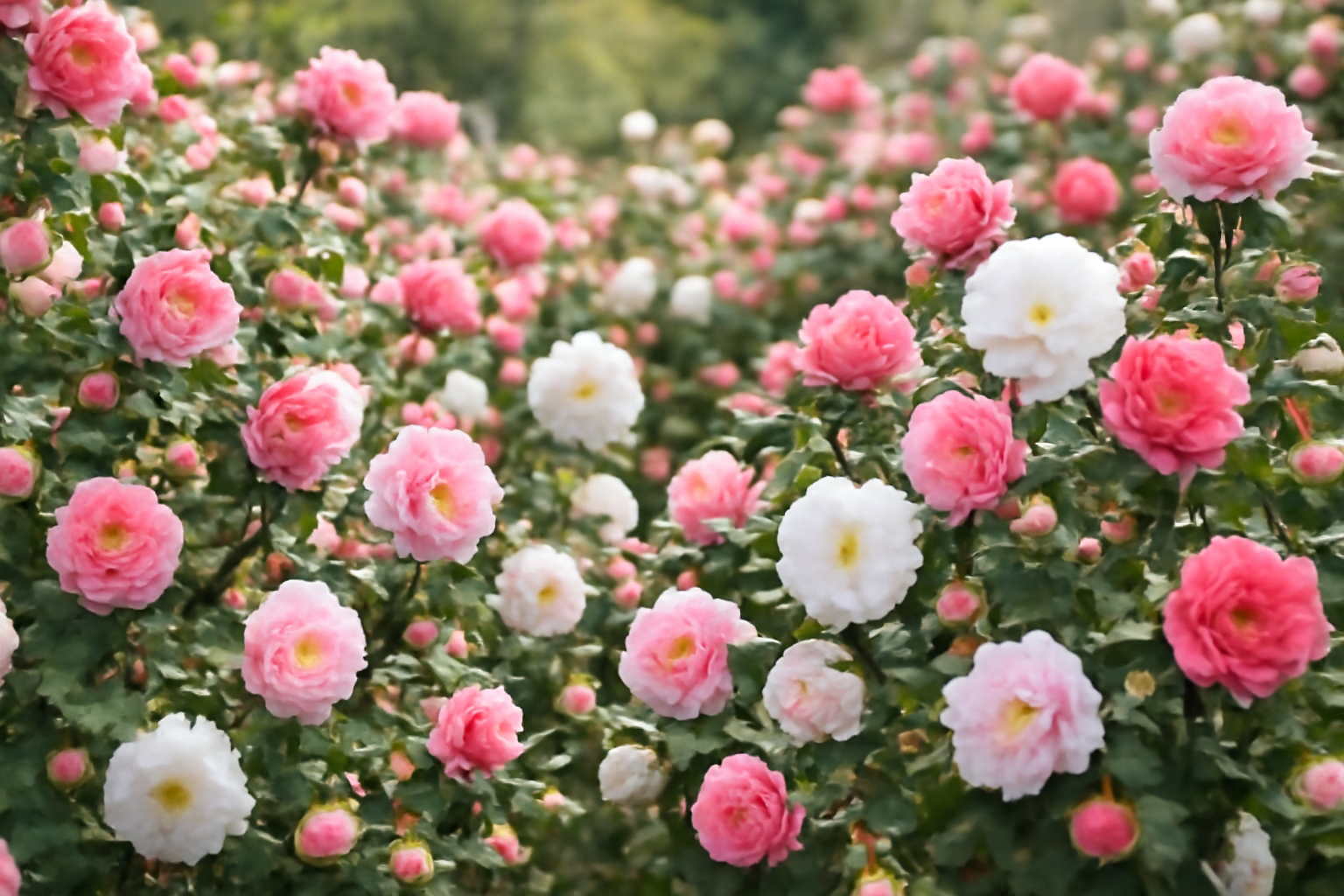
Somewhere in a shoebox of old garden photos, there’s a shot of a scrawny, tagless shrub crammed into heavy red clay under full afternoon sun — that image is basically a confession. Back in 2006, that’s how I planted my very first camellia: a nameless specimen grabbed off a big-box nursery cart, dropped into ground it had no business being in, and left to sulk for two long years before it finally quit on me. That single blunder cost me time, money, and no small amount of pride. In the two decades since, I’ve grown well over two hundred named varieties in my zone 8b garden here in the Pacific Northwest, lost roughly a dozen of them to my own poor calls, rooted hundreds more cuttings on the side, and logged countless hours swapping notes with longtime members of the American Camellia Society. What I’ve ended up with is knowledge earned the hard way — plus a list I genuinely wish somebody had put in my hands on day one.
This isn’t a rundown of the seven camellias everyone online is already growing. It’s the seven that, in my particular soil and climate, turned out dependable, gorgeous, and worth the price tag every single time. If you’re hunting for the best camellia varieties for an actual garden — not just a glossy catalog page — this is the roundup I would’ve wanted handed to me.
1. ‘Pink Perfection’ — The Cultivar That Simply Doesn’t Quit
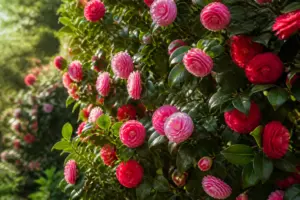
If someone brand-new to camellias asked me to pick just one plant for them, ‘Pink Perfection’ would win every time. This Camellia japonica selection turns out flawlessly formed, soft shell-pink formal double blooms — flowers so tidy they practically stop guests in their tracks. Mine has been in the ground for fourteen years now, and it has bloomed every single season without fail, including after the punishing February 2021 freeze that dropped my area down to 7°F.
The plant itself is tidy, upright, and slow-growing, which means it fits well in smaller garden spaces without constant pruning. It blooms mid-season, typically late February into March for me, which keeps it out of the worst of the hard freeze window that damages earlier varieties. If you’re just getting started and want to order a plant without overthinking it, Perfect Plants ships a healthy, well-rooted specimen: Perfect Plants Pink Perfection Camellia Bush 1 Gallon. It’s a solid place to start.
2. ‘Shishi Gashira’ — The Sasanqua That Does the Heavy Lifting
Plenty of gardeners assume camellias are strictly a spring show, and for Camellia japonica that’s largely accurate. The sasanqua branch of the family, though, blooms in autumn, and ‘Shishi Gashira’ is the cultivar I hand to nearly every gardener I meet in zones 6b through 9. In my garden it begins opening in October and keeps producing its semi-double rose-pink flowers clear through December. Having that much color when the rest of the garden has already shut down for the year is honestly one of the best surprises in gardening.
Beyond the bloom time, ‘Shishi Gashira’ is tough. It handles more sun exposure than most camellias — I have one growing in a spot that gets five to six hours of direct afternoon sun, and it performs beautifully with adequate moisture. The compact, spreading habit also makes it excellent for low hedges or mass plantings. I’ve used it along a 40-foot slope where nothing else would establish, and after year two it required almost no supplemental watering. Perfect Plants also carries this one: PERFECT PLANTS Shi Shi Camellia Shrub 1 Gal. Pot. Start with at least three if you want any kind of massed effect — you won’t regret it.
3. ‘Lady Vansittart’ — For Anyone Convinced All Camellias Look Alike
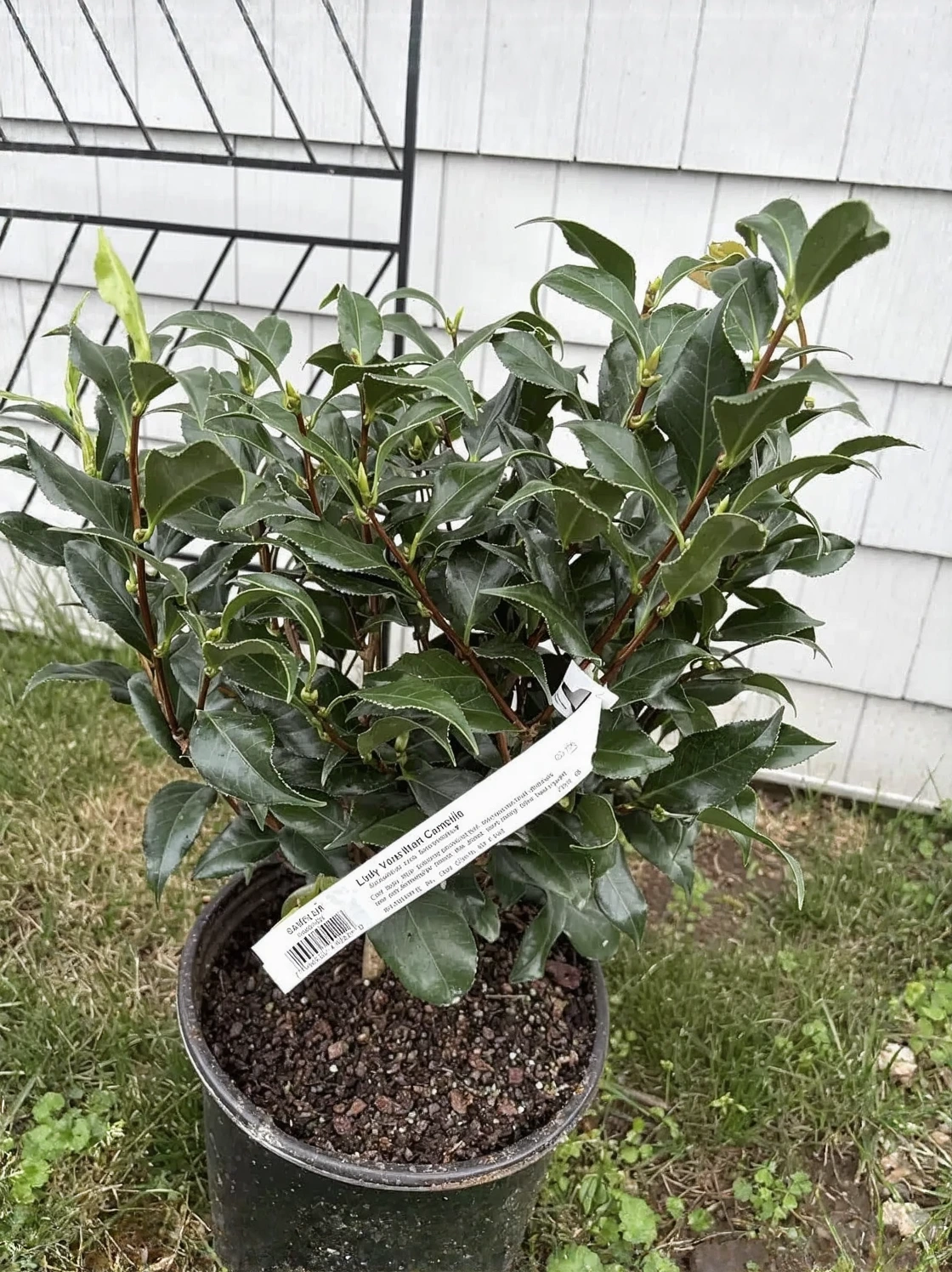
‘Lady Vansittart’ is the plant I bring up whenever someone insists every camellia flower is basically the same. Its semi-double blooms come in white streaked with bold pink and red, and no two flowers match exactly — the striping can even vary from branch to branch on the very same shrub. I put mine in the ground in 2009, and it still pulls more compliments than anything else growing here. It’s also held up remarkably well against cold, sailing through several dips below 20°F in my zone 8b yard without any real bud injury.
One honest caveat here: ‘Lady Vansittart’ is slower to establish than some varieties. My plant took a full three years before it really hit its stride, and for the first two seasons I was a little anxious about it. Don’t give up on it. By year four it was putting on 12 to 18 inches of new growth annually and blooming heavily. If you want to add it to your garden, this is a nice, established container option: Blooming & Beautiful – Lady Vansittart Camellia – 3 Gal. The larger pot size helps get it past that slow-start period faster.
4. ‘October Magic Orchid’ — The Cold-Tough Sasanqua I Didn’t See Coming
‘October Magic Orchid’ comes out of the Southern Living Plant Collection, and when I first trialed it back in 2016, I wasn’t expecting much — I’m generally slow to warm up to newer releases. This one won me over anyway. Its foliage — dark green and glossy — ranks among the best of any camellia in my collection, and the lavender-pink semi-double flowers bring a color you don’t often see in this species. It’s officially rated for zone 6b, and in practice that rating has held true for me. It’s become one of the first plants I steer toward gardeners whose japonica buds keep getting wiped out by late cold spells.
5. ‘April Kiss’ — My Go-To Cold-Hardy Japonica
‘April Kiss’ belongs to the April Series, bred by Ackerman Camellia Hybridizers with cold survival as the whole point. These cultivars can supposedly handle temperatures as low as -10°F, putting them in zone 6a company. For someone gardening in 8b like me, that translates to nearly guaranteed bud and bloom survival short of a truly extreme freeze. The blooms themselves are a deep, rich rose-pink semi-double that holds together even in soggy weather — a real advantage during a wet Carolina spring. I’ve had this one since 2011, and it has yet to give me a bloomless year.
6. ‘Kanjiro’ — The Sasanqua That Grows More Like a Small Tree
‘Kanjiro,’ sometimes labeled ‘Hiryu,’ is a fast, upright sasanqua that’s climbed to 12 feet in my garden over 15 years with almost no pruning from me. Its flowers are a bold rose-pink, semi-double, and it churns them out by the hundreds from October into December. That upright form makes it a strong choice for screening a view or anchoring a corner where you actually want some height. It might be the most prolific bloomer I grow — some seasons the flowers nearly hide the leaves entirely. Just give it room: I’ve watched gardeners tuck it into a three-foot gap and then spend years trying to wrestle it back down to size.
7. ‘Winter’s Star’ — Best Pick for Gardeners on Camellia’s Northern Frontier
‘Winter’s Star’ is an oleifera hybrid bred with one goal in mind: surviving brutal cold. Trials have documented it living through -15°F, which lands it in zone 5b territory. In my zone 8b garden, that kind of hardiness is almost wasted — but I put one in eight years ago along a north-facing wall that collects savage cold-air drainage, and it hasn’t so much as blinked. The single lavender-pink flowers look more understated than the formal doubles most people picture when they think of camellias, but they carry a quiet elegance I’ve grown to love. If you’re right at the edge of where camellias can even survive and you’re unsure the genus will make it through your winters, this is where to start.
What I Use and Recommend
I’m fussy about where my plants come from, because getting the variety wrong is a mistake that follows you for years — a mislabeled camellia is a long-term headache, not a quick fix. For gardeners who want correctly tagged, healthy stock delivered to their front door, Perfect Plants has treated me well for the common cultivars. Three I’d point you toward specifically:
- For beginners or gifting: Perfect Plants Pink Perfection Camellia Bush 1 Gallon — reliable, beautiful, and nearly foolproof.
- For fall color and tough spots: PERFECT PLANTS Shi Shi Camellia Shrub 1 Gal. Pot — my most-recommended sasanqua, full stop.
- For something showstopping and unusual: Blooming & Beautiful – Lady Vansittart Camellia – 3 Gal — worth the patience it takes to establish.
When it comes to amending soil, I work aged pine bark fines into every planting hole to pull the pH down into the 5.5-to-6.5 window camellias want. I also feed with a camellia-formulated slow-release fertilizer — Espoma Camellia-tone has been my choice for more than ten years — applying it in early spring right as new growth starts, then again lightly come June. Fertilizing stops for good after August; pushing tender new growth that late is a direct invitation for frost to kill it.
Final Thoughts
Twenty years into this hobby, the question I still hear most is some version of “which one should I start with?” My honest answer hasn’t changed: any of these seven, as long as you pick the one suited to your actual conditions. Line up the bloom time with your climate, match cold-hardiness ratings to your zone with at least half a zone of cushion, and get your soil pH sorted before the plant ever goes in the ground. Nail those three things and camellias will pay you back for decades. Skip them, and even the finest camellia cultivars on earth will struggle to hang on.
I’ve racked up just about every mistake this garden could teach me. These seven varieties are the ones that earned a permanent home anyway. Pick one, get to know it well, and I’d bet you’ll be back to add another before long.
The Camellia That Convinced Me I Could Keep One Alive
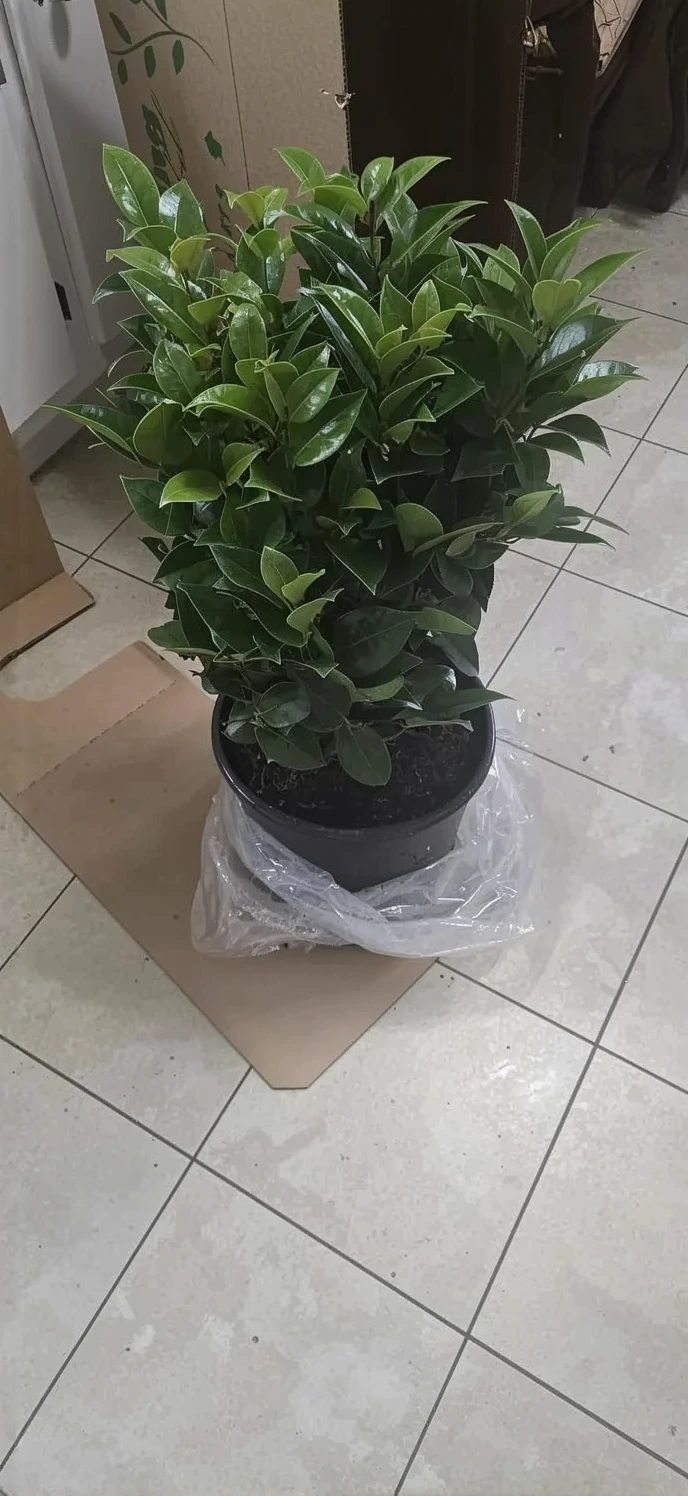
Losing my first camellia left me wary of trying again, especially with a pricier named cultivar. Pink Perfection had sat on my wish list for ages, but I held off until I tracked down a sturdy 1-gallon plant that looked tough enough to survive whatever rookie mistakes I still had left in me.
What works
- Going with the 1-gallon size takes the pressure off — it’s small enough that one setback won’t sink your whole garden budget, yet mature enough to shrug off a missed watering during a dry spell.
- Even in year one, Pink Perfection’s double blooms put on a real show, and that early payoff kept me motivated to keep tinkering with soil amendments and afternoon shade.
- Once I moved it into properly amended soil and pulled it out of harsh direct sun, the plant bounced back within weeks — a huge confidence boost after watching my first camellia fade away so slowly.
What doesn’t
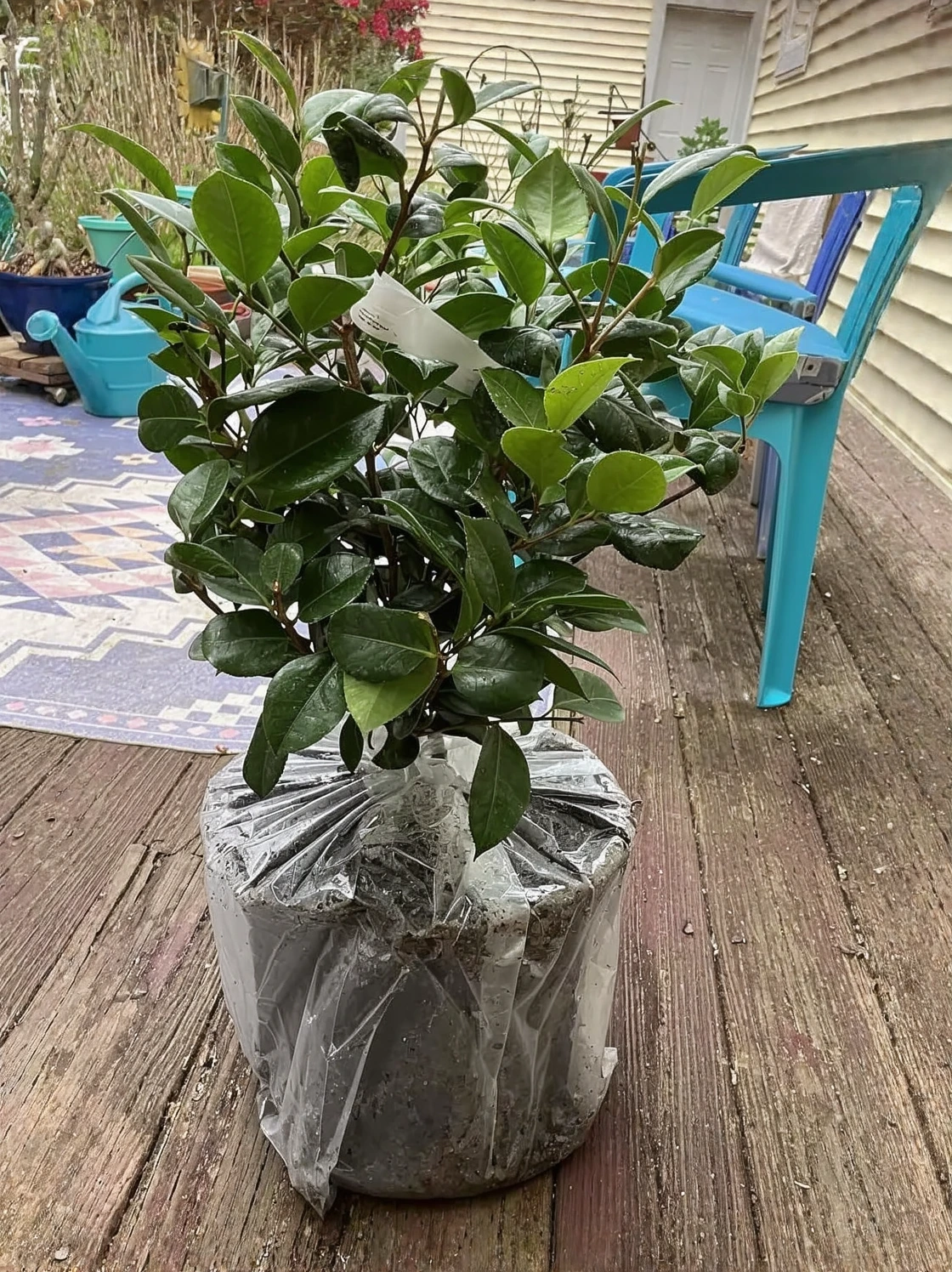
- Most online orders ship this plant bare-root or with very little soil around the roots, so establishment starts from square one — plan on the first 6–8 weeks feeling slower than you’d like.
- Those double blooms are prone to turning brown and mushy during heavy Carolina spring rain if the plant sits in a low, poorly drained spot.
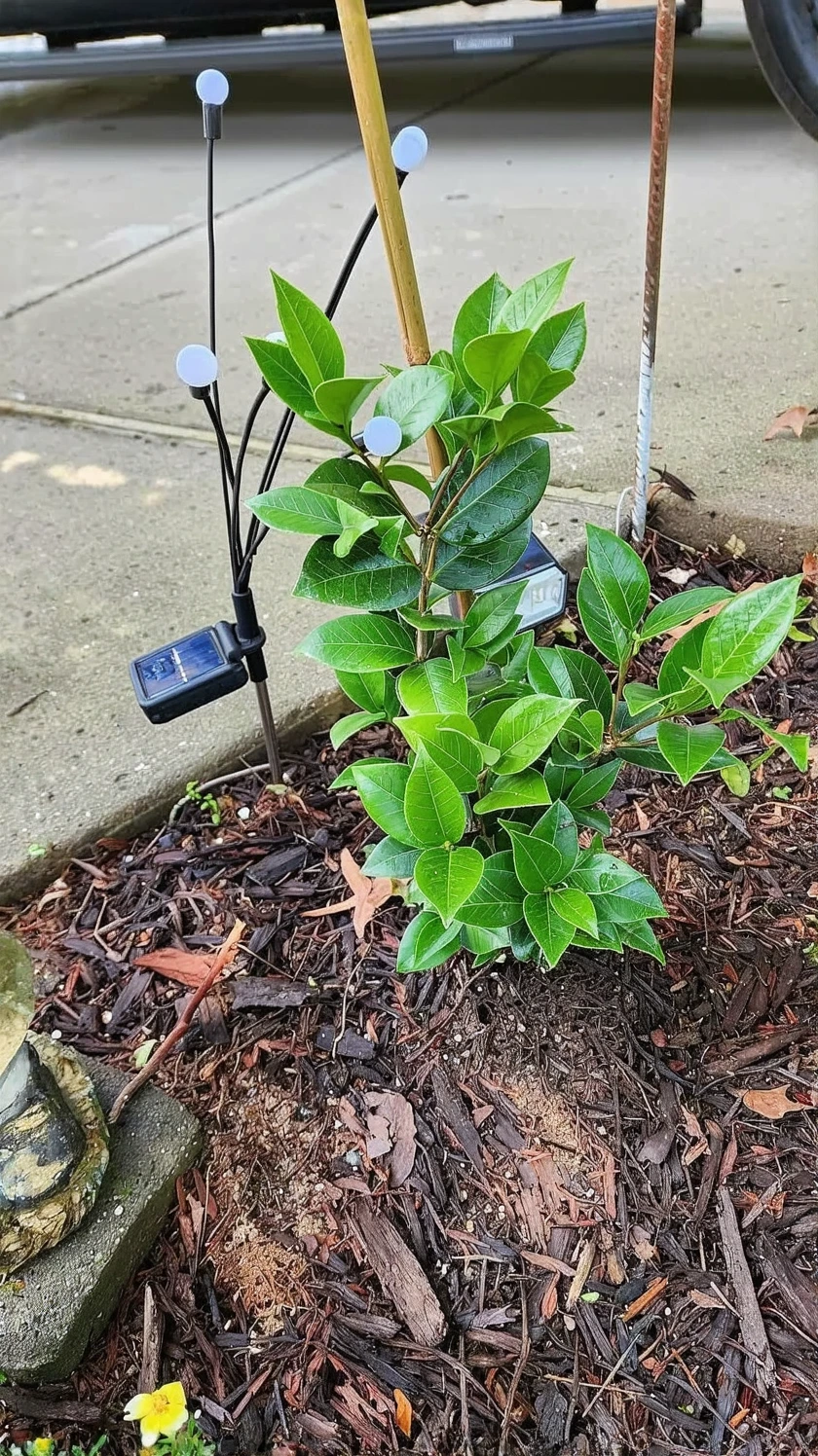
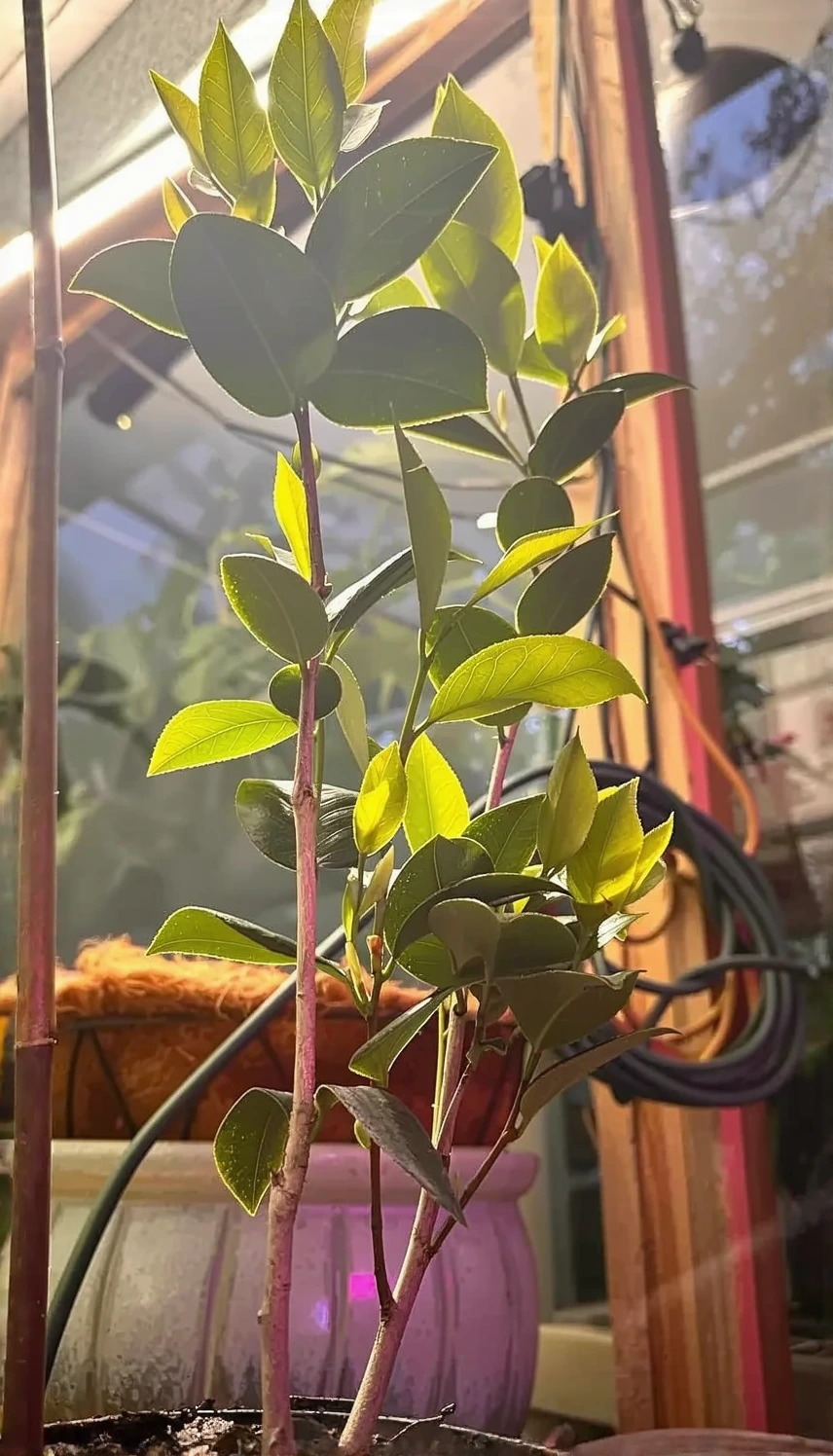
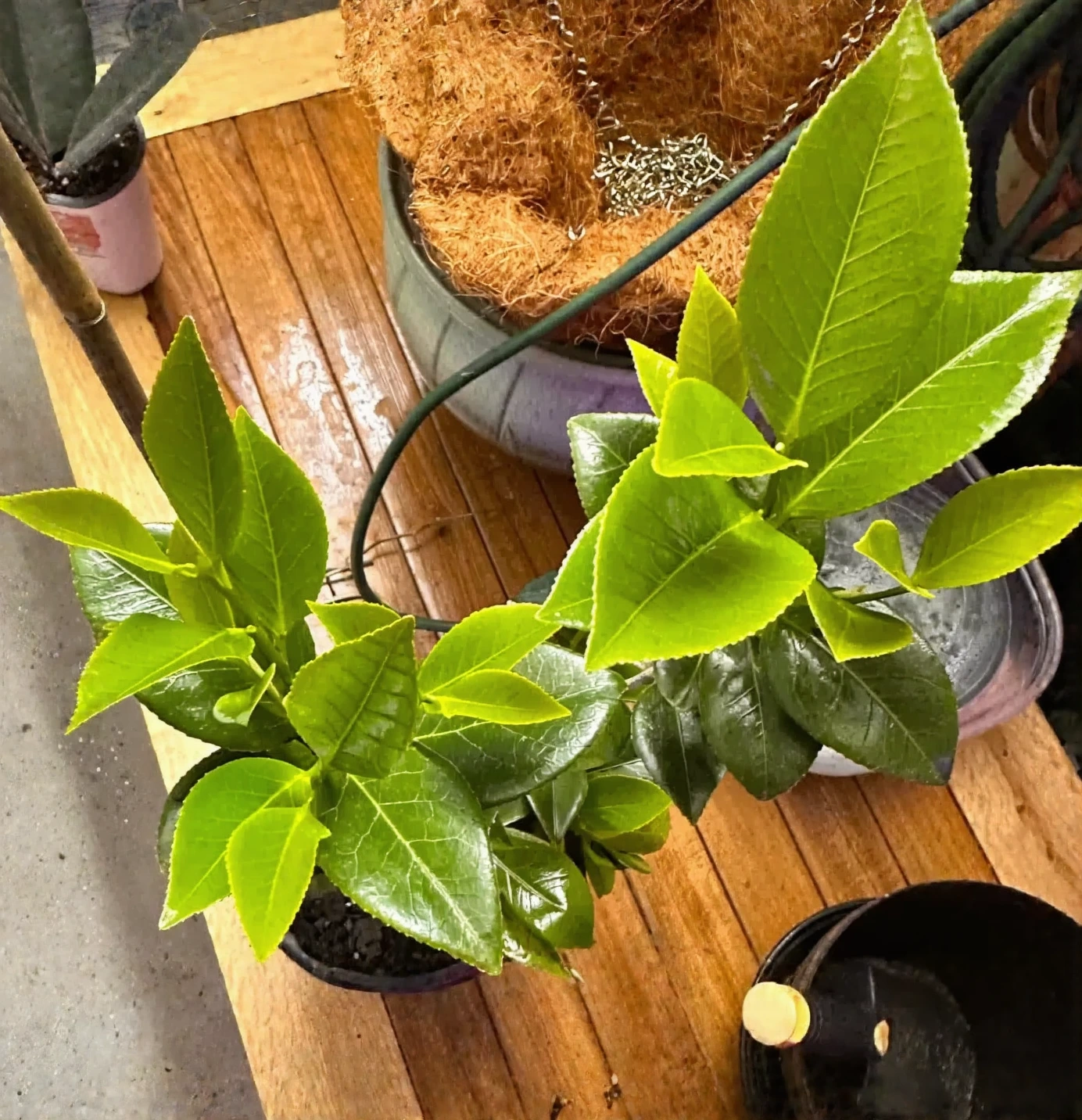
I nearly returned it after the third week when I didn’t see visible growth, convinced I’d made the same mistake twice—but the roots were working underground, and by month two the new foliage was unmistakable. If you’re recovering from a camellia failure like I was, Perfect Plants Pink Perfection Camellia Bush 1 Gallon is worth the risk.
About This Article

Written by Helen Pritchard. Helen Pritchard is a lifelong gardener in the Pacific Northwest who has grown more than 200 named camellia cultivars over two decades. She writes practical, experience-based guides to camellia care, from variety selection and pruning to troubleshooting yellowing leaves and bud drop. More about this site.
Verify this against a primary source
Specifics change, and your situation may differ from the one described here. These are the authorities worth checking directly:
- American Camellia Society — cultivar registration and culture guides
- USDA Plant Hardiness Zone Map — zone verification for your location
- Royal Horticultural Society — camellia cultivation and pest guidance