
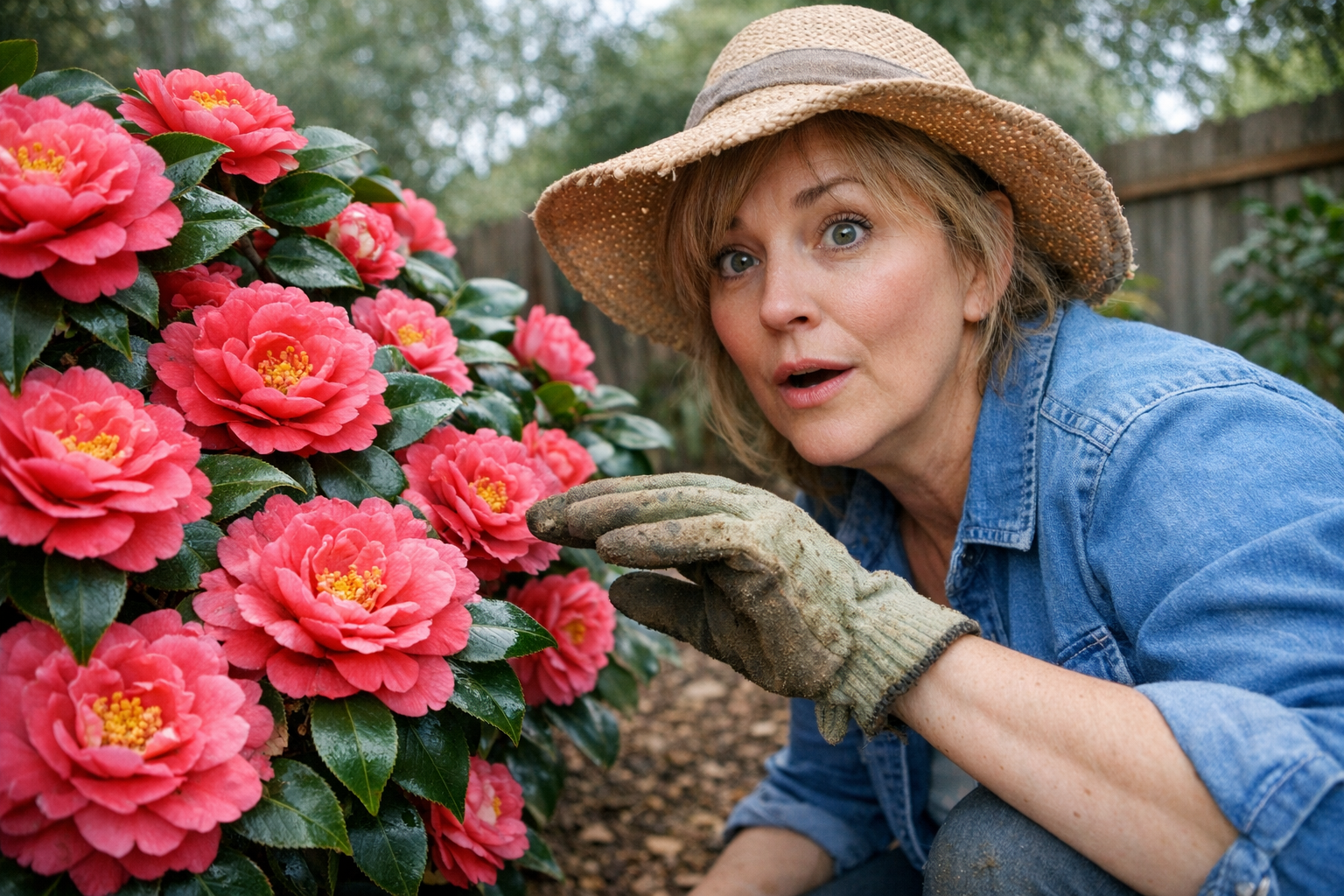
The sheer scale of Grandma’s beloved camellia was daunting. For three decades, it had thrived, growing into a magnificent specimen. Its glossy, dark green leaves shimmered, framing countless vibrant pink blossoms. This mature shrub, easily eight feet tall and ten feet wide, felt immovable. We knew transplanting such a venerable plant was risky, especially in late autumn. Ideally, root pruning should occur months beforehand, but urgency dictated our actions. We faced a monumental task with limited knowledge and even less time.
Armed with spades and a borrowed tarp, we began to dig. Source The soil, heavy and clay-rich, clung stubbornly to every root. Our goal was a massive root ball, at least three feet in diameter. However, the camellia’s ancient taproot plunged surprisingly deep. Delicate feeder roots spread far wider than anticipated. Each careful scoop revealed more of its intricate underground network. We understood then the plant’s profound connection to that specific patch of earth. It was a painstaking, back-breaking effort.
Eventually, after hours of arduous labor, we managed to pry the enormous root ball free. Queens Park Botanic Gardens – Toowoomba Region Carefully, we wrestled it onto the tarp. The sheer weight was staggering, requiring every ounce of our combined strength. Our borrowed pickup truck barely accommodated its bulk. This experience truly highlighted the hidden resilience of nature. Furthermore, it deepened my appreciation for my grandmother’s quiet tenacity. She believed in that bush, and in us, to save it. That day wasn’t just about moving a plant; it was about honoring a lifetime of rooted memories.
My grandmother often said, “Good things grow slowly.” Seeing that camellia, now thriving in her new garden, reminds me how true that is, and how some roots run deeper than soil.
Moving a mature camellia feels impossible at first glance. Queen’s Park Botanic Gardens – Toowoomba Region These plants develop deep, spreading root systems over decades. However, with the right timing, the right tools, and a little respect for the plant’s biology, transplanting a mature camellia is absolutely achievable. This guide walks you through every step.
Why Timing Is Everything
Camellias are tough, but they’re not invincible. Transplanting at the wrong time stresses the plant severely and can trigger leaf drop, root failure, or even death. Fortunately, camellias give you a clear window of opportunity.
Transplanting Camellias – American Camellia Society
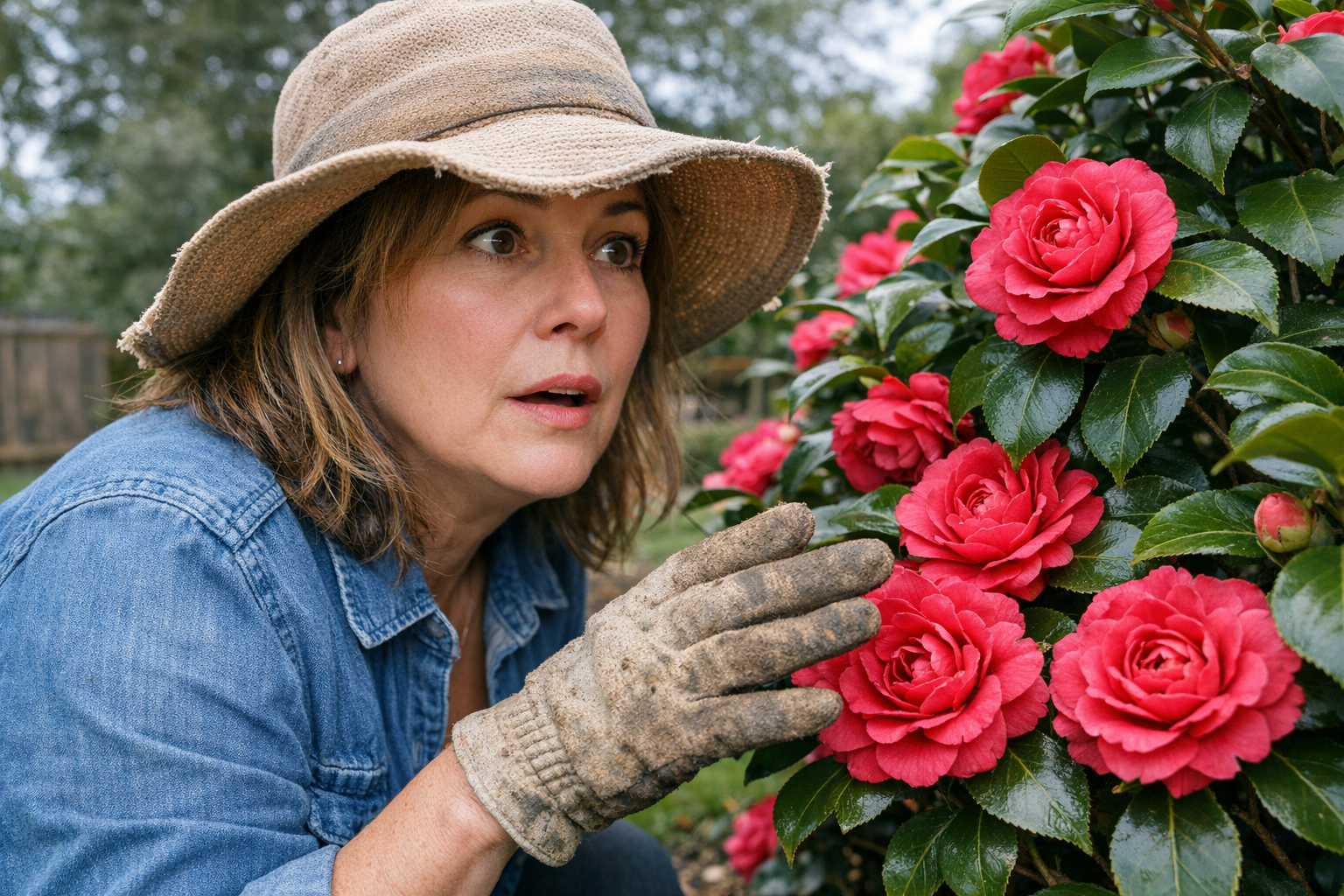
The Dormant Season Advantage
Late fall through early spring is the ideal transplanting window for camellias. Source During dormancy, the plant directs minimal energy toward leaf and flower production. Therefore, it can focus its resources on recovering from root disturbance.
Aim for a day when temperatures sit between 40°F and 60°F. Avoid American Camellia Society – Transplanting Camellias during a hard freeze or during a summer heat wave. Additionally, try to move your camellia on an overcast day — direct sun stresses freshly dug roots almost immediately.
In warmer climates like the American Southeast or Pacific Coast, late January through February works beautifully. Meanwhile, gardeners in cooler zones should target early spring, just before new growth begins pushing through.
Preparing the New Location First
Never dig up your Camellia Forest Garden – Visit Scotland before the new site is ready. This is the single most common mistake transplanting gardeners make. Every extra minute the root ball sits exposed increases stress on the plant.
Soil Requirements
Camellias demand well-draining, acidic Source soil with a pH between 5.5 and 6.5. Test your soil before digging anything. If your pH runs high, work in sulfur or acidic compost several weeks in advance.
Before even touching your Camellia – Gardening Solutions – University of Florida, meticulously prepare its new home. Ensure the receiving hole measures at least twice, ideally three times, the anticipated diameter of the root ball. This generous width provides ample loose soil for emerging roots to easily spread outwards. Crucially, match the depth precisely to the existing root ball’s height. Locate the root flare – the point where roots begin to branch from the trunk – and ensure it sits level with or slightly above the surrounding grade. Planting too deeply can smother roots, denying them vital oxygen and leading to decline. Furthermore, a proper depth prevents future settling issues.
Next, address the soil mixture for backfilling. Combine your excavated native soil with an equal volume of high-quality acidic organic matter. Suitable choices include well-aged pine bark fines, leaf mold, or compost specifically formulated for acid-loving plants. This amendment strategy significantly improves drainage, a critical factor for camellias. Moreover, it introduces essential acidity, which camellias require for optimal nutrient uptake. The organic material also enhances soil structure, creating an inviting environment for new root development.
This carefully prepared blend prevents a stark transition between the amended planting hole and the surrounding native soil. Such abrupt changes can create a “bathtub effect,” where water drains poorly from the amended area, or roots hesitate to cross into different soil textures. Instead, the gradual interface encourages roots to extend naturally into the broader garden soil. This robust root system anchors the large bush effectively and promotes long-term vigor. My grandfather always said, “Happy roots make happy flowers,” and he certainly grew some magnificent camellias.
Choose a location with morning sun and afternoon shade. Camellia Forest Garden – Visit NC thrive with bright, indirect light — too much harsh afternoon sun scorches their leaves and stresses transplanted specimens especially hard.
Excavating the Root Ball
Now comes the physical work — and it’s genuinely hard. How to Transplant a Camellia Bush – The Garden Helper A mature camellia with a trunk diameter of two inches or more will have a root ball weighing anywhere from 50 to 200 pounds. Plan accordingly.
Tools You’ll Need
Gather these tools before you start:
- A sharp, long-handled How to Transplant a Camellia Bush spade – A pruning saw for severing thick roots – A garden fork for loosening soil – Heavy burlap or a tarp for wrapping and transporting – A wheelbarrow or garden cart – A helper — this is not a solo job
The Digging Process
Start by drawing an imaginary circle around the plant. Source For a camellia with a two-inch trunk, that means a minimum 24-inch radius circle.
Push your spade straight down along this circle, cutting cleanly through roots. Transplanting Established Trees and Shrubs – University of Minnesota Extension Work your way around the entire perimeter before attempting to lift anything. Cutting roots in sections is far better than ripping them — clean cuts heal faster and resist disease more effectively.
Lifting the Root Ball Safely
Once the perimeter trench is complete, it’s time to work underneath. Angle your spade at roughly 45 degrees, driving it inward beneath the root mass. This technique protects the roots from unnecessary severing.
Work systematically from multiple sides:
- Start opposite your body position
- Rotate around the plant every few cuts
- Gradually undercut the entire base
Furthermore, avoid forcing the spade in one direction. Repeated leverage from a single point can crack the root ball apart. Instead, alternate between your spade and garden fork, using the fork’s tines to tease away compacted clay or dense soil clinging to the roots.
—
Pruning Roots During Transplanting
Additionally, inspect every exposed root carefully. Look specifically for:
- Circling roots — these spiral around the base and eventually strangle the plant
- Damaged or torn roots — jagged edges invite disease and rot
- Dead roots — typically dark, mushy, or hollow inside
Make clean cuts with sharp bypass pruners. How to Transplant Camellias – American Camellia Society Consequently, the plant heals faster and redirects energy toward healthy new growth. My neighbor Margaret always says a clean pruning cut is worth three waterings afterward — and honestly, she’s not wrong.
—
Why Root Preparation Matters
Moreover, removing problematic roots before How to Transplant a Camellia Bush – The Spruce gives your camellia a genuine fresh start. Circling roots left uncorrected will continue growing in the wrong direction, even underground in a new location.
Quick checklist before lifting:
- Spade angled correctly beneath the ball
- Fork used gently to loosen stubborn soil
- All circling, damaged, or dead roots pruned cleanly
- Root ball remains intact and firm
Therefore, taking an extra ten minutes during this stage dramatically improves long-term establishment. A well-prepared root ball settles into its new home with far less transplant shock overall.
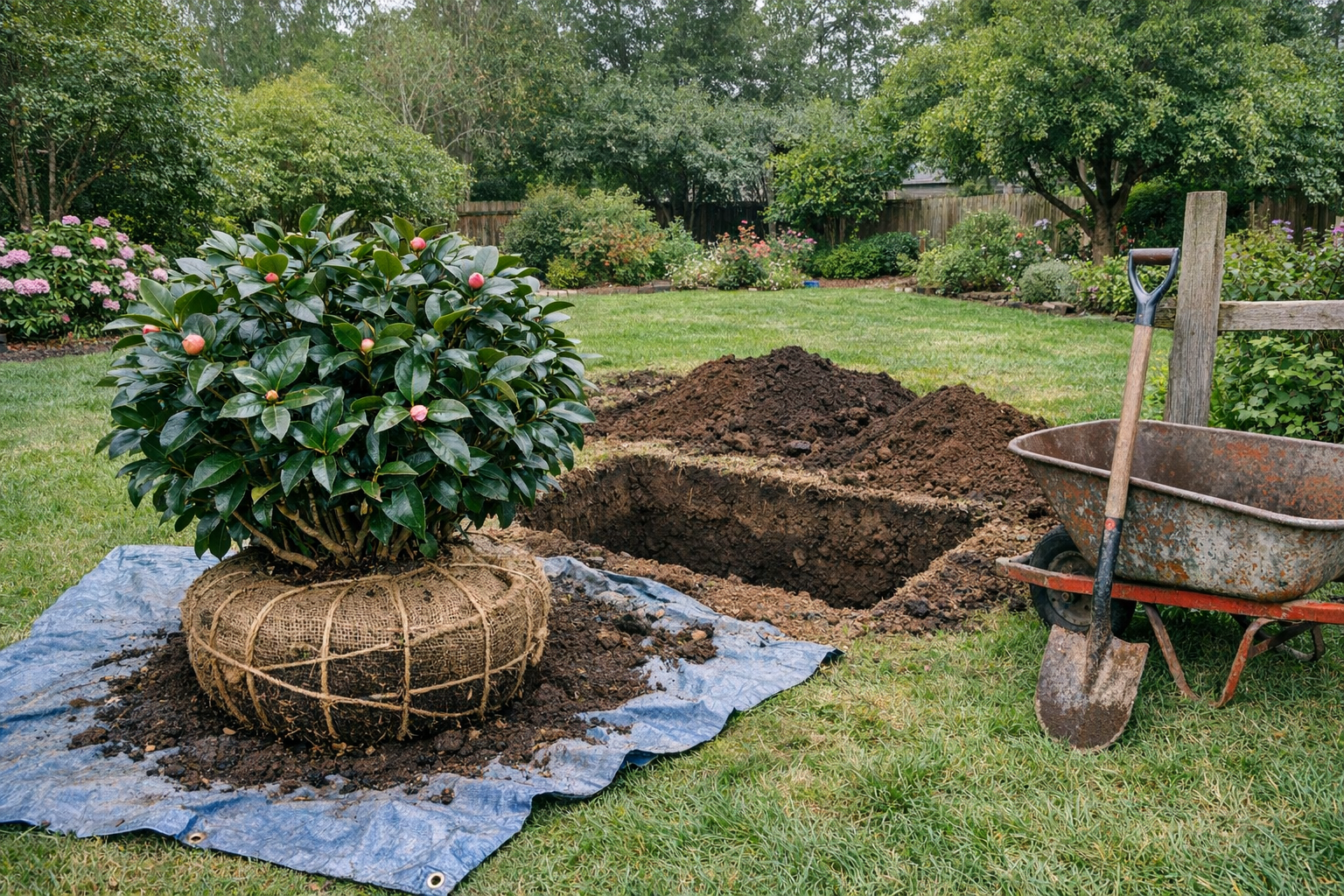
Tip the root ball gently onto its side. Slide your burlap underneath, then roll the ball back onto the burlap. Wrap it firmly, tying the burlap with twine to keep the root ball intact during transport. A crumbling root ball is a Transplanting Camellias – The Spruce disaster — keep it as solid as possible.
Planting in the New Site
Move quickly once the plant is excavated. Every minute counts for exposed roots.
Placement and Depth
Lower the root ball carefully into the prepared hole. Source Check that the top of the root ball sits at or very slightly above the surrounding soil grade. Planting too deep is the number one cause of camellia decline after transplanting.
Remove or cut away the burlap once the plant is positioned. Natural burlap eventually decomposes, but synthetic burlap will strangle roots permanently — always remove it entirely.
Backfill with your amended soil mixture, firming it gently in layers to eliminate air pockets. Avoid stomping heavily — you’ll compact the soil and damage the roots you just worked so hard to preserve.
Watering In
Water deeply and slowly immediately after planting. Use a slow trickle from your hose for twenty to thirty minutes, allowing water to penetrate the entire root zone. Then water again the following day. For the first growing season, your camellia needs consistent moisture — never soggy, never bone dry.
Build a shallow ring of soil around the planting area to create a watering basin. This directs water straight to the root zone rather than running off. Additionally, apply three to four inches of pine bark mulch over the root zone, keeping it away from the trunk itself.
Post-Transplant Care
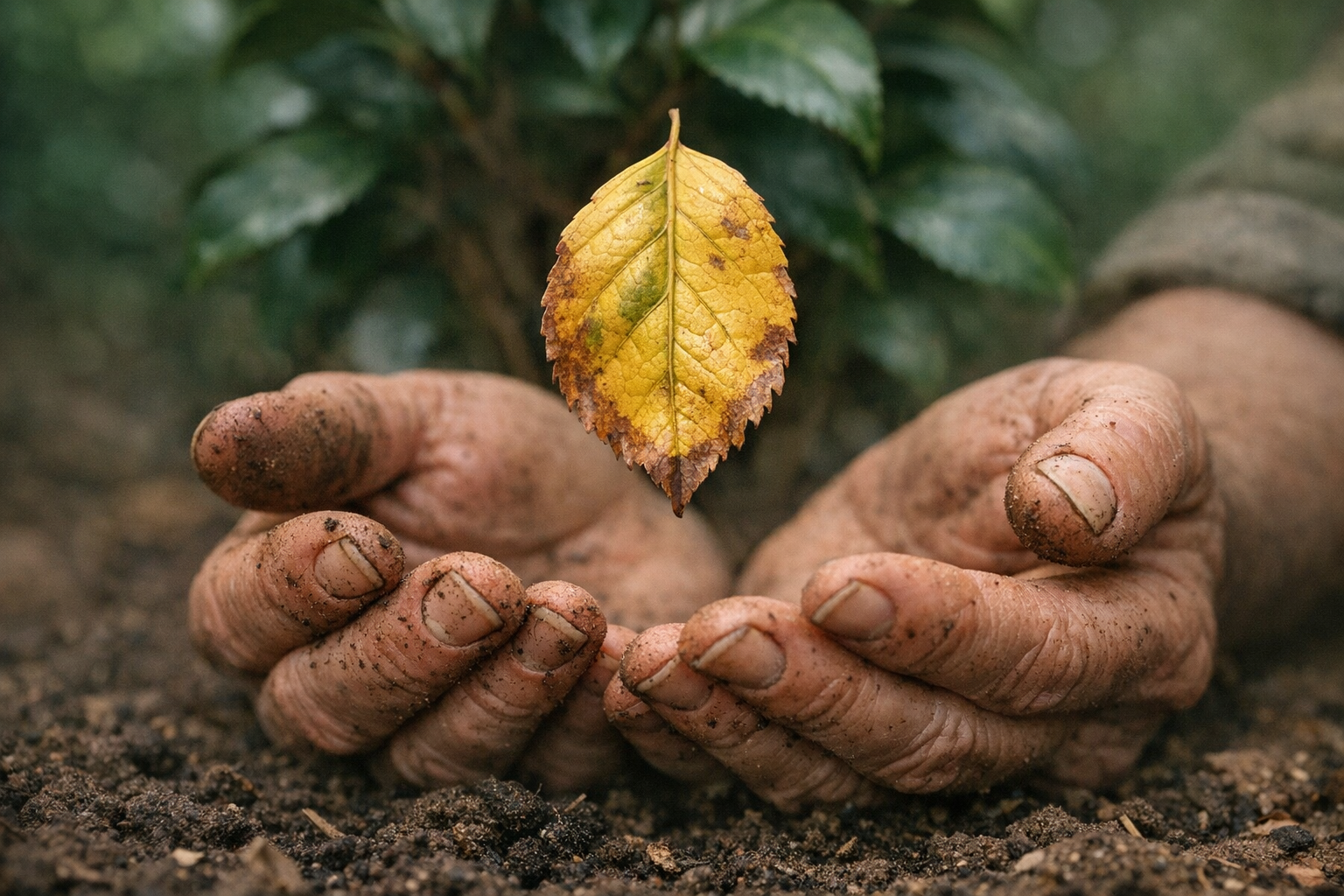
Your camellia will likely sulk for a while. Expect some leaf drop, yellowing, or a lack of blooms in the first season — this is normal and not a death sentence.
Feeding and Monitoring
Hold off on fertilizing for the first three months. Pushing new top growth before the roots establish themselves creates dangerous imbalance. After that initial period, apply a slow-release fertilizer formulated specifically for acid-loving plants like Camellia Care Guide – American Camellia Society, azaleas, and rhododendrons.
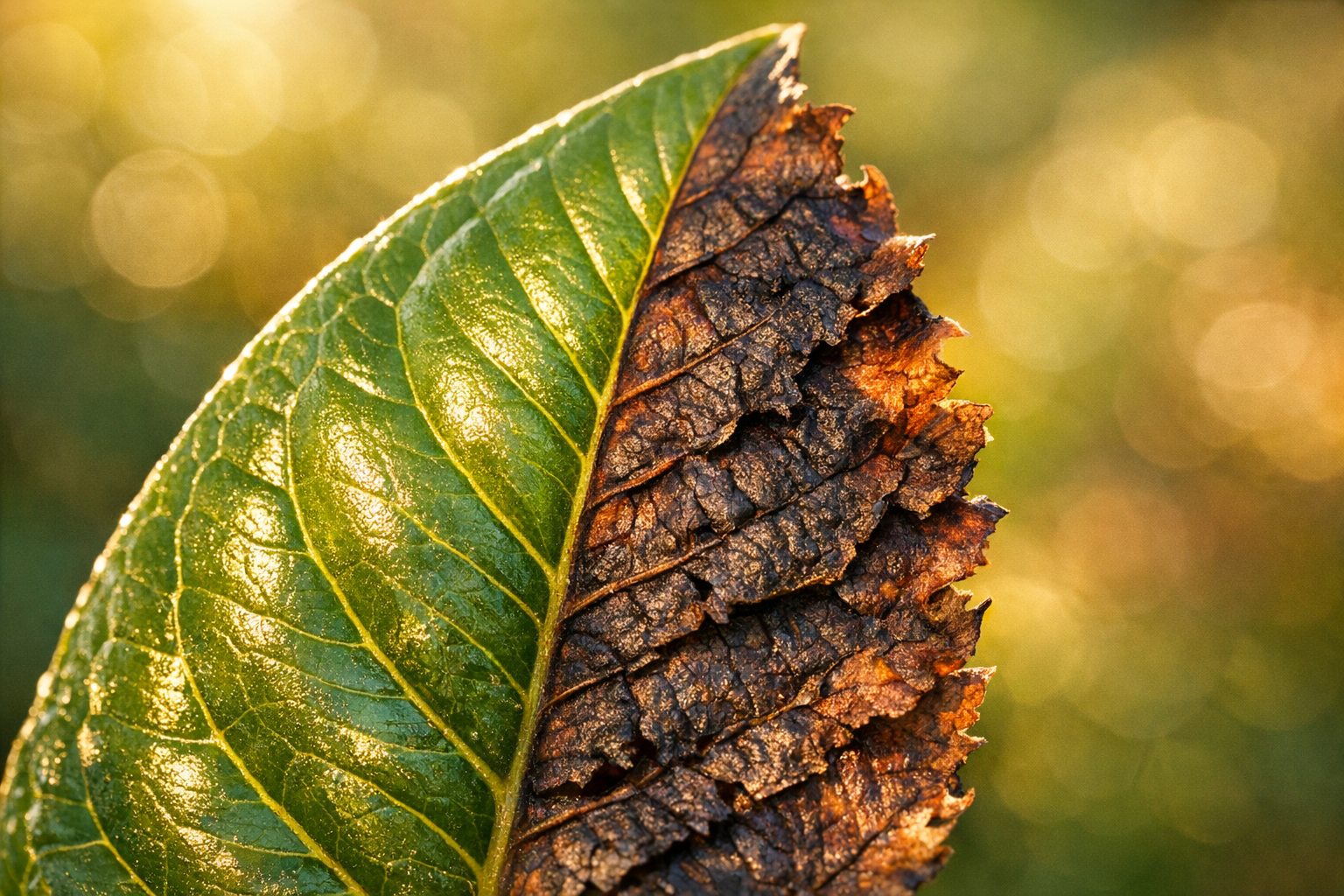
Watch for signs of stress — wilting despite moist soil, significant leaf drop, or bark discoloration at the base. However, don’t overreact to minor leaf loss in the first few weeks. Camellias are resilient plants. Given proper conditions, most established specimens recover fully within one to two growing seasons.
prune sparingly in the first year. Remove only dead or damaged branches — let the plant direct its energy toward root development rather than healing pruning wounds simultaneously.
Bringing It Home
My grandmother’s camellia survived that November transplant. It took nearly a full year before it bloomed again, but when it did — fat, pink flowers in February, against the white wall of her new apartment’s garden — she cried a little. So did I.
Moving a mature camellia truly represents a commitment to its legacy. This grand undertaking ensures its established beauty continues to thrive elsewhere. Timing is paramount; aim for late fall or early spring, during its dormant phase. This minimizes transplant shock significantly. For exceptionally large specimens, consider root pruning a full year in advance. This technique encourages a dense network of new feeder roots closer to the trunk, preparing the plant for a more successful future move.
The Physical Move and Site Readying
Thorough site preparation is equally critical before the big day. Dig the new hole twice as wide as your estimated root ball, but only as deep. Ensure the location offers excellent drainage and amend soil for its preferred acidic conditions. The actual excavation demands extreme care. Preserve as much of the root ball as possible; wrap it immediately in burlap for protection. This labor-intensive task often requires several strong helpers or specialized moving equipment. My neighbor once rented a small bobcat for his prize camellia!
Post-Transplant Care and Enduring Patience
After relocation, consistent moisture is absolutely vital, yet avoid any waterlogging. Apply a generous layer of mulch around the base to conserve soil moisture and moderate root temperatures. Consider temporary shading from harsh afternoon sun or strong winds during its initial recovery. Crucially, refrain from fertilizing for at least the first year; focus on root establishment. True recovery demands immense patience; expect several seasons before your magnificent Camellia Transplanting Guide – American Camellia Society fully re-establishes and flourishes.
If you’re inspired to tackle a similar camellia transplanting project, having the right supplies on hand can make an enormous difference between success and heartbreak. Starting with proper nutrition, using a quality camellia plant fertilizer before and after transplanting helps support the plant’s recovery and encourages healthy new growth in its new location. When it comes to digging, a sharp and reliable garden transplanting spade is absolutely essential for cutting cleanly through compacted soil and preserving as many roots as possible during the process. Just as we learned from our own experience with Grandma’s camellia, spreading out a sturdy heavy duty garden tarp beneath the root ball makes it far easier to drag and transport an enormously heavy specimen without damaging the roots. Before you even break ground, investing in a good pair of root pruning shears allows you to sever circling or damaged roots cleanly, which actually stimulates healthier regrowth once the plant is settled in its new home. To give a transplanted camellia the best possible chance of survival, applying a mycorrhizal root stimulator directly to the root ball at planting time encourages the beneficial fungal networks that help the plant absorb water and nutrients more efficiently during the stressful transition period. If you’re dealing with the same kind of heavy, clay-rich soil we encountered, working in a clay soil amendment will dramatically improve drainage and aeration around the roots, reducing the risk of waterlogging that can quickly turn a struggling transplant into a lost cause. Camellias are notoriously fussy about soil pH, so filling the new planting hole with a specially formulated camellia acid soil mix ensures the plant has the slightly acidic environment it needs to thrive and produce those stunning blooms year after year. Wrapping the root ball securely in a piece of natural garden burlap root ball wrap before moving the plant helps hold the soil together around the roots, minimizing disturbance and keeping the delicate feeder roots moist during what can be a lengthy transportation process. Throughout all of this digging, lifting, and maneuvering, protecting your hands with a reliable pair of heavy duty garden gloves is something you will be very grateful for, especially when wrestling with sharp root ends and rough burlap for hours on end. Finally, no matter how carefully you execute every step, transplant shock is always a real possibility with a mature shrub, so keeping a bottle of plant transplant shock treatment on hand and applying it at planting time gives your beloved camellia the extra boost it needs to push through the stress and begin putting out strong, healthy new growth in its new home.
*As an Amazon Associate, I earn from qualifying purchases.